
Both calcium and potassium play essential roles in managing and reducing high blood pressure. A diet rich in these minerals can support healthy blood pressure levels by balancing the effects of sodium, promoting vasodilation, and improving overall cardiovascular health. Here’s a comprehensive list of foods that are rich in calcium and potassium:
Calcium-Rich Foods
Calcium helps maintain normal muscle function, including the smooth muscles in blood vessels. Adequate calcium intake is essential for controlling blood pressure, especially in individuals with low calcium levels.
1. Dairy Products
- Low-fat or fat-free milk: One cup provides about 300 mg of calcium.
- Yogurt: One serving (200g) can provide 250-300 mg of calcium.
- Cheese (especially hard cheeses like Parmesan and Cheddar): One ounce (28g) can offer 200-300 mg of calcium.
2. Leafy Greens
- Kale: One cup of cooked kale provides about 180 mg of calcium.
- Collard greens: One cup of cooked collard greens offers around 260 mg of calcium.
- Spinach: One cup of cooked spinach has about 240 mg of calcium (though it also contains oxalates, which can inhibit calcium absorption).
3. Fortified Plant-Based Products
- Fortified plant-based milk (almond, soy, oat): One cup of fortified milk can provide 300-400 mg of calcium.
- Fortified orange juice: A typical 8-ounce serving can contain 300 mg of calcium.
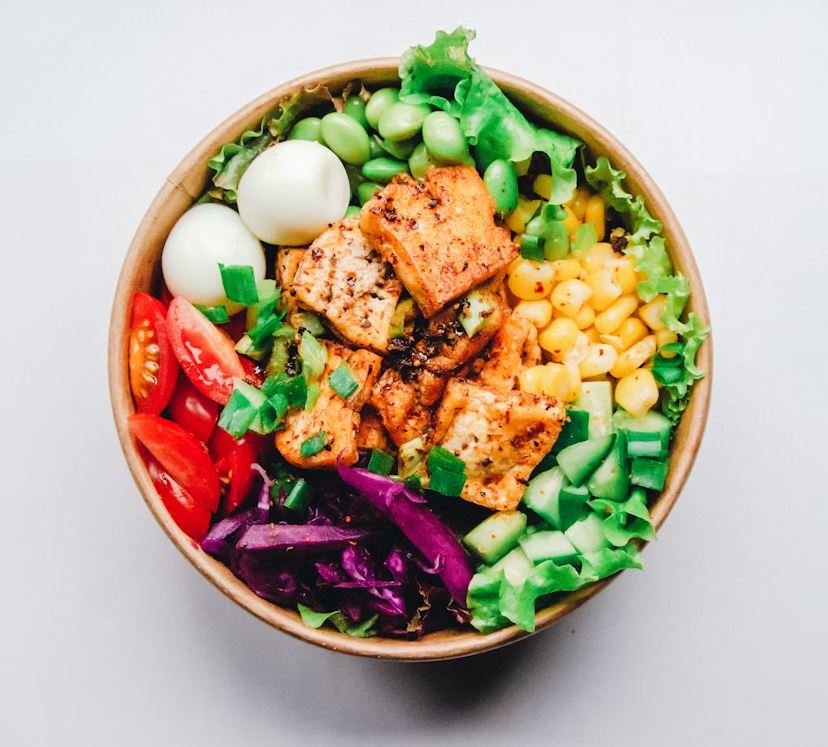
- Fortified tofu: Half a block (about 100g) can provide 250-400 mg of calcium, depending on the brand and type.
4. Nuts and Seeds
- Almonds: One ounce (about 23 almonds) provides around 80 mg of calcium.
- Chia seeds: One ounce (about 2 tablespoons) contains 180 mg of calcium.
5. Fish and Seafood
- Salmon (canned with bones): A 3-ounce serving provides about 180 mg of calcium.
- Sardines (canned with bones): A 3-ounce serving can provide around 325 mg of calcium.
6. Beans and Legumes
- White beans: One cup cooked provides about 160 mg of calcium.
- Tofu (prepared with calcium sulfate): Half a block (100g) can offer 250-400 mg of calcium.
7. Other Foods
- Broccoli: One cup of cooked broccoli contains about 60 mg of calcium.
- Figs (dried): Three medium figs provide around 120 mg of calcium.
- Edamame (young soybeans): One cup cooked provides around 180 mg of calcium.
Potassium-Rich Foods
Potassium helps regulate fluid balance, supports kidney function, and assists in counteracting the effects of high sodium levels on blood pressure. Adequate potassium intake is vital for controlling blood pressure and improving vascular health.
1. Fruits
- Bananas: One medium banana provides about 400-450 mg of potassium.
- Oranges: One medium orange provides around 230 mg of potassium.
- Avocados: One medium avocado provides about 975 mg of potassium.
- Melons (e.g., cantaloupe, honeydew): One cup provides 400-450 mg of potassium.
- Tomatoes: One medium tomato provides about 300 mg of potassium.
- Apricots: One apricot provides 200 mg of potassium, and dried apricots are even higher, with 1/4 cup providing 400 mg.
2. Vegetables
- Sweet potatoes: One medium sweet potato provides about 440 mg of potassium.
- Potatoes (with skin): One medium potato provides around 620 mg of potassium.
- Spinach: One cup of cooked spinach contains 840 mg of potassium.
- Kale: One cup of cooked kale provides about 500 mg of potassium.
- Beet greens: One cup cooked provides about 1300 mg of potassium.
- Broccoli: One cup cooked provides 450 mg of potassium.
3. Legumes
- Lentils: One cup cooked provides about 730 mg of potassium.
- White beans: One cup cooked contains around 1,000 mg of potassium.
- Kidney beans: One cup cooked provides about 700 mg of potassium.
4. Dairy Products
- Low-fat yogurt: One cup provides about 530 mg of potassium.
- Milk: One cup contains around 380 mg of potassium.
5. Nuts and Seeds
- Almonds: One ounce (23 almonds) provides 200 mg of potassium.
- Pumpkin seeds: One ounce provides about 300 mg of potassium.
- Chia seeds: One ounce provides 115 mg of potassium.
6. Fish and Seafood
- Salmon: A 3-ounce serving provides around 450-700 mg of potassium.
- Tuna (canned in water): One can (3 ounces) provides about 400 mg of potassium.
- Halibut: A 3-ounce portion provides about 500-600 mg of potassium.
7. Other Foods
- Coconut water: One cup provides 600 mg of potassium.
- Prunes: A 1/4 cup serving provides about 500 mg of potassium.
- Dates: One date provides about 170 mg of potassium.
- Molasses: One tablespoon contains about 250 mg of potassium.
Sample Meal Plan for Managing Blood Pressure (Rich in Calcium and Potassium)
Here’s a simple meal plan incorporating these calcium- and potassium-rich foods to help support healthy blood pressure levels:
Breakfast:
- Oatmeal made with fortified soy milk (calcium) and topped with sliced banana (potassium) and chia seeds (calcium and potassium).
Lunch:
- Spinach salad with avocado (potassium), canned salmon (calcium), and a side of cherry tomatoes (potassium).
Snack:
- Low-fat yogurt (calcium) with dried apricots (potassium).
Dinner:
- Grilled sweet potato (potassium) with broccoli (calcium and potassium) and a serving of baked salmon (calcium and potassium).
Evening Snack:
- A small handful of almonds (calcium and potassium) or pumpkin seeds (potassium).
Conclusion
Incorporating a wide variety of calcium and potassium-rich foods into your diet can have a significant impact on lowering blood pressure. Both of these minerals are essential for maintaining vascular health, managing fluid balance, and counteracting the harmful effects of sodium. By focusing on whole, nutrient-dense foods like fruits, vegetables, dairy, legumes, and fish, you can naturally support your cardiovascular system and reduce the risk of hypertension.