
By Our Correspondent | September 3, 2025 | Niger State, Nigeria
In one of the deadliest inland waterway accidents in recent years, a passenger boat capsized in the waters near the Gausawa community in Niger State, Nigeria, on Tuesday, September 2, 2025, leaving between 30 and 60 people dead, according to conflicting but increasingly grim reports.
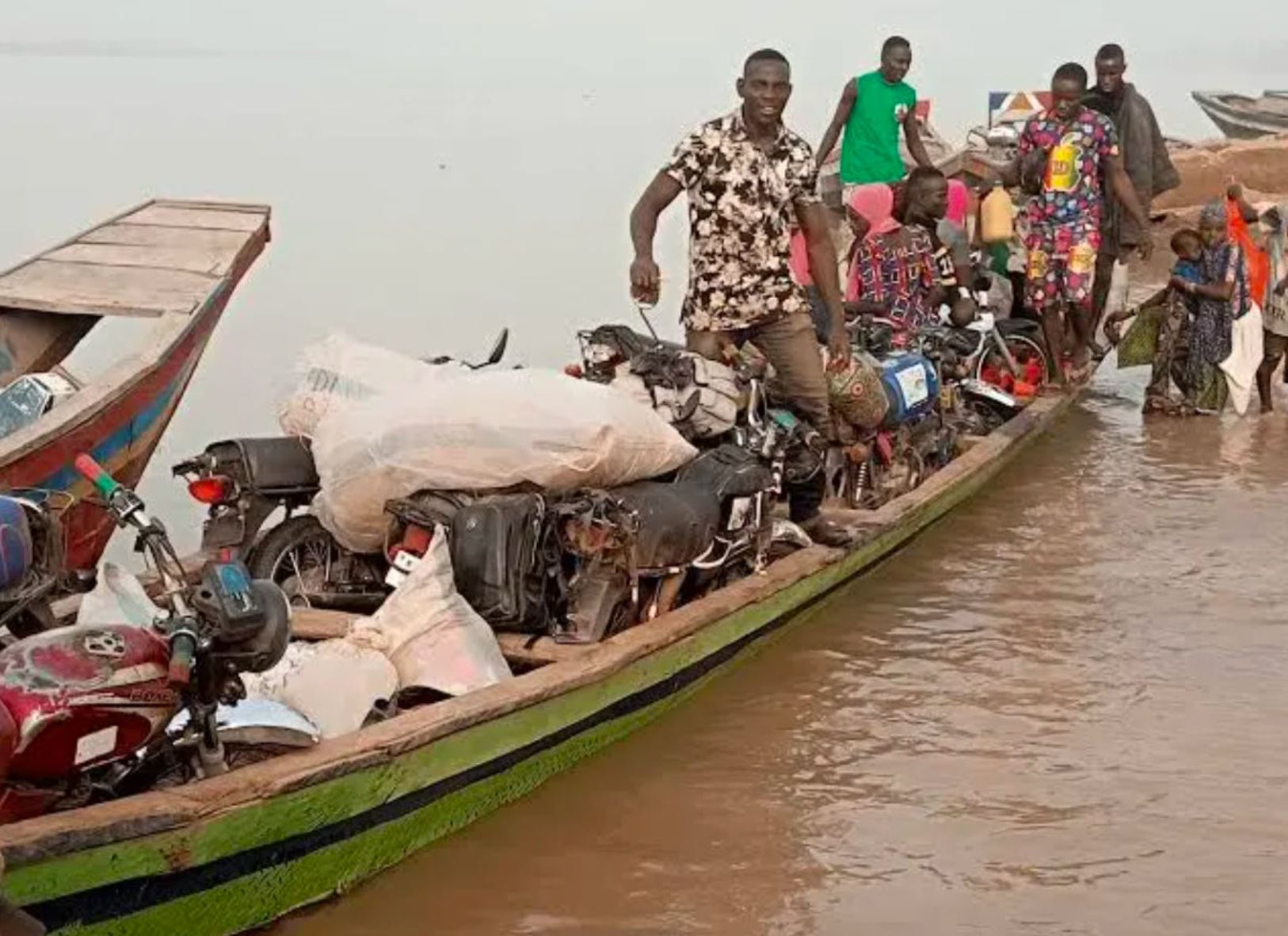
The vessel, overloaded with more than 100 passengers—mostly women and children—was en route to a neighbouring village for a condolence visit when it struck a submerged tree stump and overturned in the turbulent waters of the Niger River. The incident occurred in the remote Borgu Local Government Area, where access to emergency services remains limited.
A Preventable Disaster
Eyewitnesses and local officials confirm that the boat was grossly overloaded, far exceeding its safe capacity. Adding to the peril, none of the passengers were wearing life jackets, a standard safety measure that could have saved lives. The impact with the hidden stump caused the vessel to lose balance and capsize rapidly, plunging passengers into strong currents during the peak of the rainy season.
Rescue teams, including local fishermen and emergency personnel, scrambled to pull survivors from the water. So far, 50 people have been rescued, at least 10 of whom remain in critical condition at nearby health facilities. However, dozens are still missing, and search operations continue with divers and boats scouring the riverbed.
Diverging Death Toll, Unified Grief
Official figures from the Niger State Emergency Management Agency (NSEMA) place the confirmed death toll at 30. However, international news agencies including Reuters and Al Jazeera report that local authorities and community leaders believe the number may rise to 60 as recovery efforts continue. The discrepancy underscores the challenges in verifying casualties in remote regions with limited infrastructure.
“The pain is overwhelming,” said one grieving relative in Gausawa. “Entire families were wiped out. Children, mothers—gone in minutes.”
Government Response and Safety Reckoning
In the wake of the disaster, the Niger State government has launched an investigation into the circumstances surrounding the accident. Authorities have also deployed water marshals across key riverine routes to enforce safety regulations and prevent further tragedies.
Additionally, a new initiative has been announced to distribute life jackets and conduct safety awareness campaigns in communities dependent on river transport—a move long demanded by safety advocates.
“This was not an act of God,” said a state official, speaking on condition of anonymity. “This was a failure of regulation, enforcement, and preparedness.”
A Recurring Nightmare
Tragedies like this are all too common in Nigeria, particularly during the rainy season (March–October), when rising water levels and poor visibility increase risks. Chronic issues—including overloading, dilapidated vessels, lack of maintenance, and lax enforcement of maritime rules—have turned routine river crossings into deadly gambles for thousands.
According to data from Nigeria’s Inland Waterways Authority, over 20 major boat accidents were reported in the past two years alone, many resulting in significant loss of life. Yet systemic reforms remain elusive.
Calls for National Action
The Niger State tragedy has reignited calls for a comprehensive overhaul of inland water transport safety. Civil society groups and transport unions are urging the federal government to standardize vessel inspections, mandate life-saving equipment, and invest in emergency response infrastructure along the country’s vast river networks.
As recovery operations press on, the nation mourns a preventable loss. With the final death toll still uncertain, the incident stands as a stark reminder: on Nigeria’s rivers, safety is often an afterthought—until it’s too late.
This is a developing story. Further updates will follow as official reports and investigation findings are released.