
Goma, Democratic Republic of Congo — A harrowing surge in sexual violence against women and children is unfolding in the eastern regions of the Democratic Republic of the Congo (DRC), with aid groups warning of a deepening humanitarian catastrophe fuelled by escalating conflict and the collapse of social and legal systems.
New data from Save the Children reveals a shocking quadrupling in the number of women and children receiving medical and psychosocial support for sexual violence in the first half of 2025—rising from 612 survivors assisted during the same period in 2024 to 2,702 in just seven months this year. The figures, corroborated by United Nations reports, paint a grim picture of a region descending further into lawlessness and despair.
“This is not just a spike in violence—it’s a full-scale breakdown of humanity,” said Greg Ramm, Country Director for Save the Children in the DRC. “The quadrupling of survivors we’ve supported this year points to a deeply alarming humanitarian crisis. And once again, women and girls are paying the highest price.”
The crisis is concentrated in North Kivu and Ituri provinces, where armed conflict has intensified since late 2024. The Rwandan-backed M23 rebel group has seized control of major towns, including large parts of Goma, displacing hundreds of thousands and dismantling already fragile governance and protection systems.
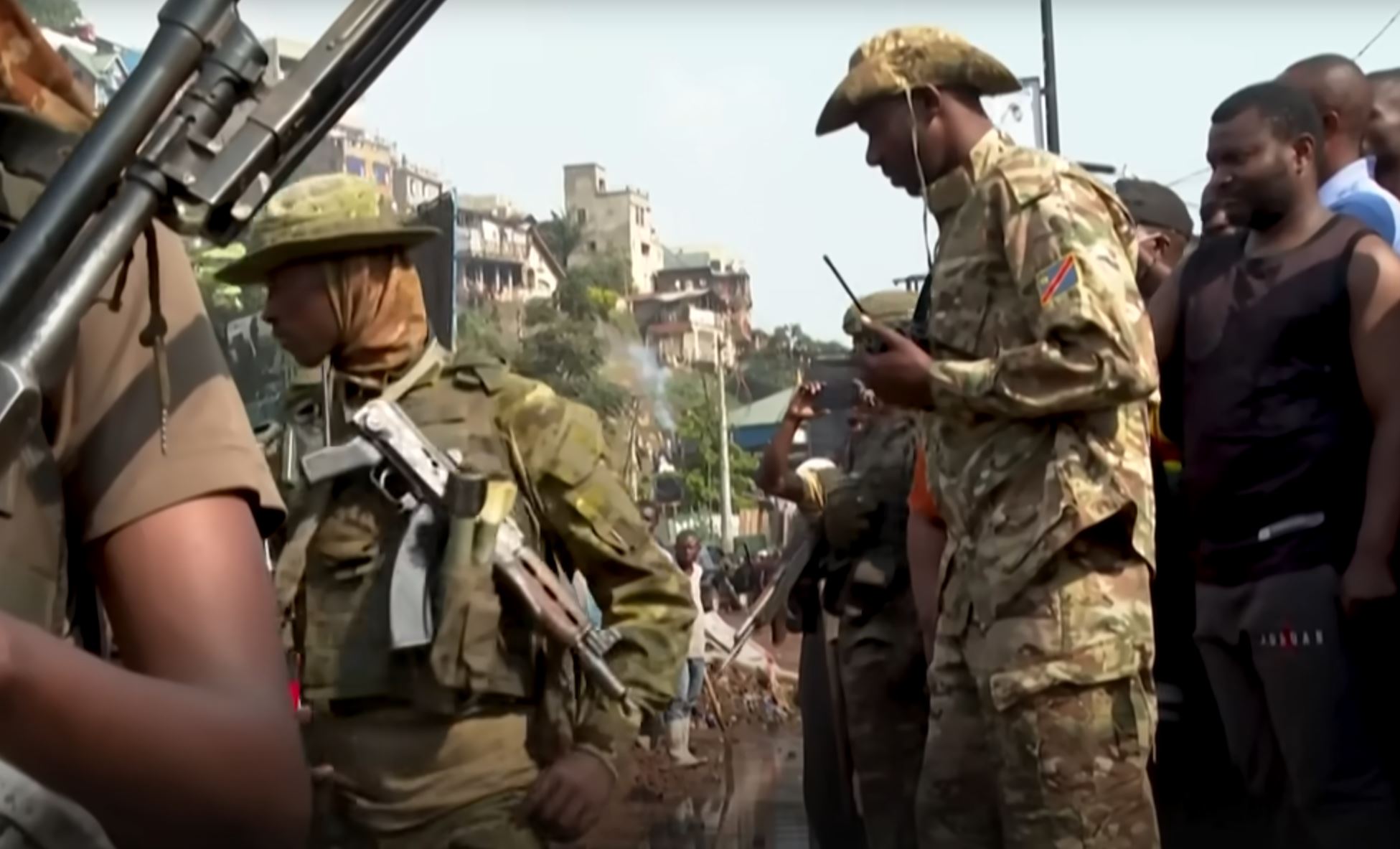
According to Søren Bendixen, DR’s Africa correspondent who has reported extensively from the region, the use of rape as a weapon of war has become systematic. “The escalation of sexual crimes tells us how violent and dehumanizing this conflict has become,” Bendixen said. “Rape is being used not just as a tool of terror, but as a legitimate part of military strategy. And there is virtually no system left to stop it.”
Health clinics supported by Save the Children have reported increasingly brutal cases—children raped in front of their parents, mothers assaulted in front of their children, and entire families subjected to sexual violence during home invasions. Many survivors face long-term trauma, unwanted pregnancies, severe physical injuries, and intense social stigmatization—sometimes leading to suicidal thoughts.
The Congolese Ministry of Health has recorded a 16% national increase in reported sexual violence cases in the first half of 2025, amounting to approximately 73,400 cases. Nearly one-third of the victims were girls under the age of 16, highlighting the extreme vulnerability of children in conflict zones.
Experts stress that the actual number of cases is likely far higher, as widespread fear, stigma, and lack of access to healthcare prevent many survivors from coming forward.
For decades, eastern DRC has been labelled the “rape capital of the world” due to the pervasive use of sexual violence in its complex web of armed conflicts. But aid workers say the current wave marks a dangerous new peak. “We’ve seen horrific cycles of violence before,” said one medical coordinator in Beni. “But the scale, frequency, and brutality we’re witnessing now are beyond what we’ve documented in recent years.”
Save the Children and other humanitarian organizations are urgently calling for increased international attention, funding, and protection measures for civilians. They demand that global powers hold perpetrators accountable and support local efforts to restore security and justice.
Yet, on the ground, the reality remains bleak. With roads blocked, clinics overwhelmed, and peacekeepers stretched thin, survivors often travel for days to reach help—if they reach it at all.
As the world watches other global crises unfold, eastern DRC slips deeper into silence. But for the thousands of women and children bearing invisible and visible scars, the war is not just about territory—it’s about survival.
“This isn’t collateral damage,” said Ramm. “This is deliberate. And it must be stopped.”