
In an unexpected turn of events, food prices in Sweden have decreased for the first time this year, offering a small but notable reprieve for consumers. According to the latest data from Statistics Sweden (SCB), food prices in August fell by 0.7% compared to July, marking the first decline since the start of 2023. However, when compared to the same month last year, food prices were still up by 4.7%, signalling that while the drop may bring some temporary relief, inflationary pressures persist.
A Mixed Bag of Price Drops
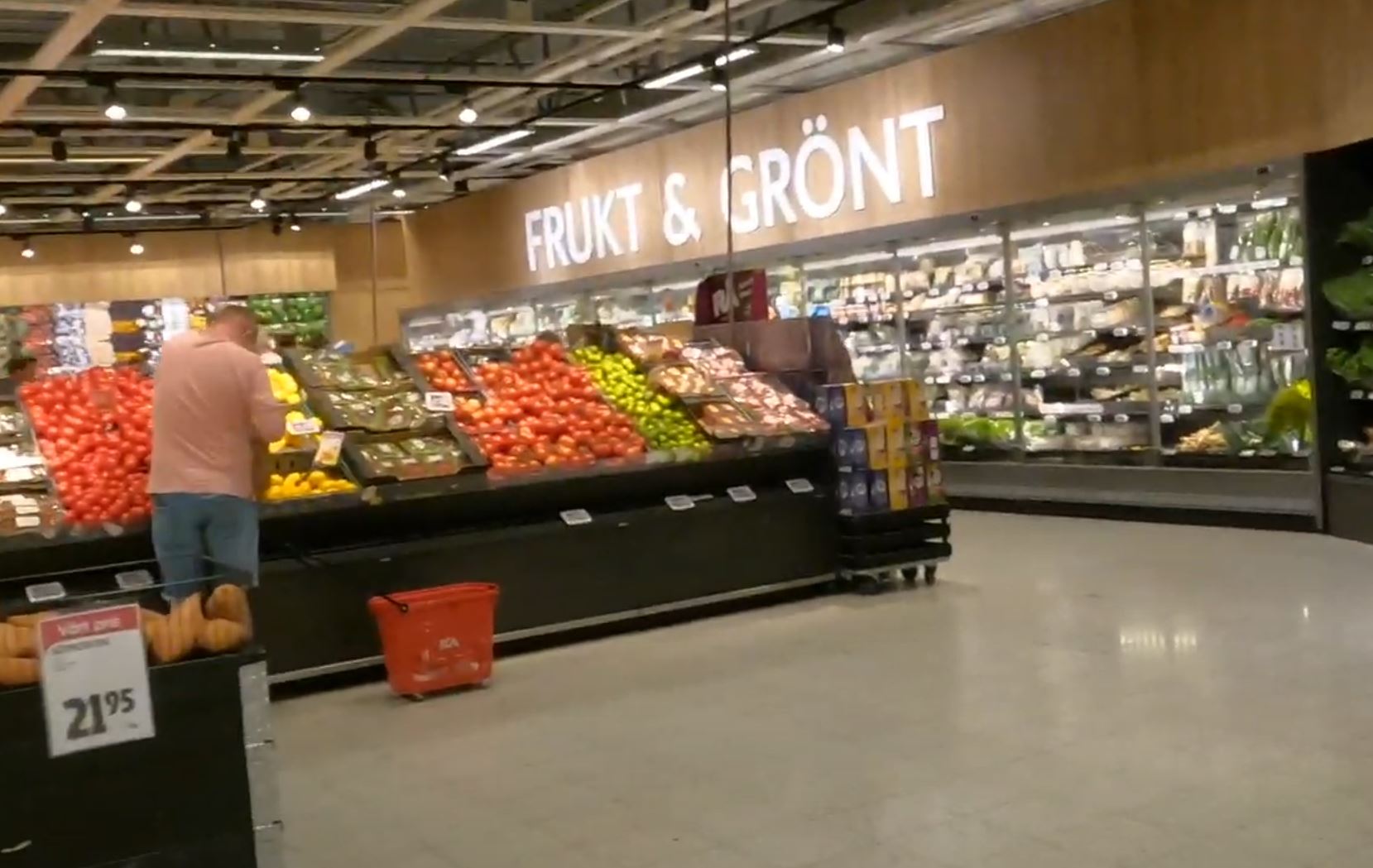
The drop in food prices was driven by significant reductions in certain items. Leeks, grapes, and cabbage saw the steepest declines, with prices falling notably from the previous month. However, despite the overall reduction in prices for food and non-alcoholic beverages, the annual comparison shows that food remains a major contributor to inflation, alongside electricity costs.
Statistics Sweden also pointed out that August’s drop in food prices was not entirely unexpected. Frida Stark, a price statistician at SCB, explained that it is common for food prices to dip in August, as it is a time when the harvest season leads to an increase in the availability of fresh produce, thus putting downward pressure on prices.
Year-on-Year Rise Fuels Inflation Concerns
Despite the monthly decrease, the year-on-year rise of 4.7% in food prices highlights the continuing challenge for Swedish consumers. Prices on staple items like dairy products, sweets, ice cream, and chocolate have all contributed to the annual increase, leaving households feeling the strain at the checkout.
Food prices, together with soaring energy costs, were identified as the key drivers of inflation in August. The rise in overall inflation, measured by the CPIF (Consumer Price Index with Fixed Interest Rates), also climbed to 3.2% in August, slightly lower than the preliminary figure of 3.3% published by Statistics Sweden earlier in the month. For comparison, the inflation rate in July was 3.0%.
The Bigger Picture: Inflation Pressures Persist
While food price reductions are welcome news for Swedish consumers, the overall inflationary landscape remains a concern. The Riksbank, Sweden’s central bank, has set a target for CPIF inflation at 2.0%, and the current rate of 3.2% is still well above that goal. As inflation continues to hover above the target, economists and analysts are keeping a close eye on the Riksbank’s next move.
The central bank is scheduled to announce its next interest rate decision on September 23, and many are anticipating further tightening in an effort to bring inflation back under control. With energy and food costs continuing to weigh heavily on household budgets, the effects of these rate hikes could be far-reaching, particularly for borrowers with variable-rate mortgages.
What Does This Mean for Consumers?
For now, the 0.7% dip in food prices offers a brief moment of relief, but it’s important not to lose sight of the bigger economic picture. The overall cost of living remains high, and inflation continues to outpace the Riksbank’s target. For many Swedes, it’s still a time of financial strain, especially with energy costs and food prices still running high compared to last year.
So, while August’s price drop in food might have been a welcome change, it’s clear that the journey to stabilize prices across the board is far from over. Only time will tell whether this decrease is the beginning of a longer trend or a temporary blip on the radar in an otherwise turbulent economic climate.
Key Takeaways:
- Food prices fell by 0.7% in August, the first drop of the year, but are still up 4.7% compared to the same month in 2023.
- Leeks, grapes, and cabbage saw the biggest price reductions.
- Despite the price drop, food remains a major driver of inflation, alongside energy costs.
- Inflation rose to 3.2% in August, slightly down from the previous estimate of 3.3%.
- The Riksbank’s next interest rate decision is expected on September 23, as inflation remains above the target of 2%.