
By the end of this year, new heavy trucks in the EU will have reduced carbon dioxide emissions by an average of 15 percent compared to 2019, according to a recent report from the International Council on Clean Transportation (ICCT).
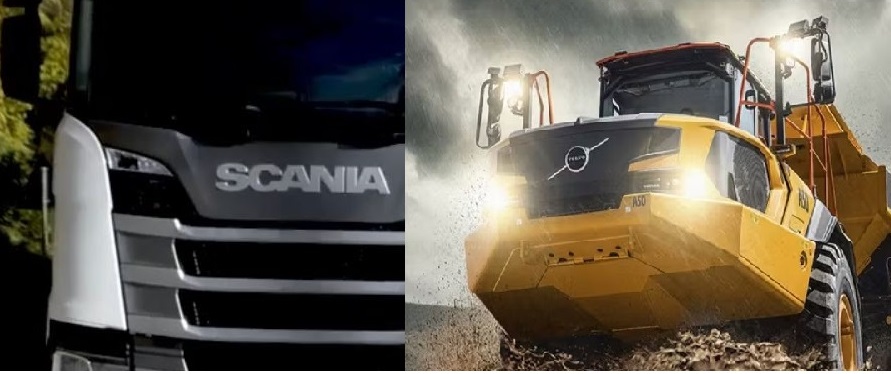
The heavy-duty truck industry in the European Union is making significant strides towards sustainability, with leading manufacturers Volvo and Scania emerging as frontrunners in meeting ambitious emissions reduction targets. By the close of 2023, both companies are already on track to meet the EU’s goal of a 15 percent reduction in carbon dioxide emissions from new heavy trucks, based on 2019 levels. This achievement is largely attributed to their investments in electric vehicles (EVs) and fuel-efficient combustion engines, marking a pivotal shift towards greener transportation solutions.
The EU’s 15% Emissions Reduction Target for 2025
As part of the European Green Deal, the EU has set an ambitious target to reduce carbon emissions from heavy-duty trucks by 90 percent by 2040, with a series of interim targets. By 2025, new heavy trucks are required to cut emissions by 15 percent, followed by a 45 percent reduction by 2030 and a 65 percent reduction by 2035.
While Volvo and Scania are already leading the charge, five out of the seven largest truck manufacturers in the EU are currently on track to meet the 15 percent reduction target by the end of this year, according to the ICCT report. Notably, the German giants Daimler Truck and Italian manufacturer Iveco are lagging behind.
Daimler and Iveco: Close, but Not Quite There Yet
Daimler Truck, the parent company of Mercedes-Benz, is reported to be within reach of the 15 percent target, thanks to a gradual shift towards more efficient engine technologies and an expanding EV portfolio. However, Iveco, part of the CNH Industrial Group, appears to have more work to do in order to meet the 2025 threshold. Despite this, experts remain optimistic about Daimler’s ability to catch up, while Iveco faces a steeper uphill battle in the coming years.
Flexibility in the Regulations
The ICCT report highlights the flexibility built into the EU’s regulatory framework, which is helping manufacturers stay on track. One notable aspect is the ability to earn emissions credits for the production of low-emission vehicles between 2019 and 2024, providing some breathing room for manufacturers like Daimler and Iveco. Additionally, manufacturers are allowed to transfer vehicles between brands, pooling emissions reductions. For example, the Traton Group, which owns the brands Scania, MAN, and Volkswagen Truck & Bus, can leverage Scania’s strong position to meet the group’s collective emissions targets. A similar strategy is available to Volvo and Renault, allowing them to trade emissions credits across their brands.
Heavy Trucks: A Key Contributor to Road Traffic Emissions
Heavy goods vehicles (HGVs) are a significant source of carbon dioxide emissions in the EU, accounting for just over a quarter of all road transport emissions. As the EU moves towards its 2040 decarbonization goal, these vehicles are expected to play a pivotal role in reducing overall emissions. The heavy truck sector’s transition to electric and hydrogen-powered vehicles is seen as one of the most crucial steps in achieving the EU’s climate objectives.
A Long Road Ahead
While the current progress is promising, the road ahead remains challenging. The interim target of a 45 percent emissions reduction by 2030 will require significant technological advances, not just in EVs, but also in areas like hydrogen fuel cells, synthetic fuels, and improvements in truck aerodynamics. Moreover, achieving the final goal of a 90 percent reduction by 2040 will demand a complete overhaul of the sector, including investments in charging infrastructure, fuel production, and regulatory enforcement.
In conclusion, the heavy truck sector in the EU is making measurable progress towards its emissions reduction goals, with Volvo and Scania leading the pack. However, as manufacturers like Daimler and Iveco continue to adjust to new regulatory requirements, the next few years will be critical in determining how well the industry can meet the EU’s long-term sustainability targets.
As the heavy-duty truck sector moves towards a cleaner, greener future, its success will have far-reaching implications for both the environment and the wider European economy.
This article was originally published in The Nordic Business Journal Magazine, offering deep insights into sustainability trends and the future of transportation in the Nordic Region and Europe.