
In what cybersecurity experts are calling one of Sweden’s most severe data breaches to date, the personal information of over one million Swedish citizens — current and former municipal employees — has been published on the darknet following a cyberattack against HR systems provider Miljödata.
The breach, first detected in late August, targeted Miljödata — a critical infrastructure vendor that supplies human resources software to approximately 80% of Sweden’s municipalities. The stolen data includes highly sensitive personal identifiers: social security numbers, home addresses, phone numbers, and employment IDs.
On Sunday, the hacker group “Datacarry” followed through on its threat to release the data publicly — posting it on a darknet leak site after reportedly demanding 1.5 bitcoins (approximately 1.6 million SEK as of mid-September) for its deletion.
“The Real Threat Begins Now”
Karl Emil Nikka, cybersecurity specialist at the Swedish Theft Protection Association and a leading voice in Nordic digital security, warns that the publication of the data is not the end — but the beginning — of the danger.
“The big risk now is targeted social engineering,” Nikka told The Nordic Business Journal. “Attackers will use this leaked data to contact individuals directly — posing as trusted entities — to trick them into revealing even more sensitive information or credentials. This could lead to identity theft, financial fraud, or even deeper system breaches.”
Municipalities and regions affected include the City of Stockholm, Region Skåne, Gothenburg, and Linköping — meaning employees across Sweden’s public sector are now potential targets.
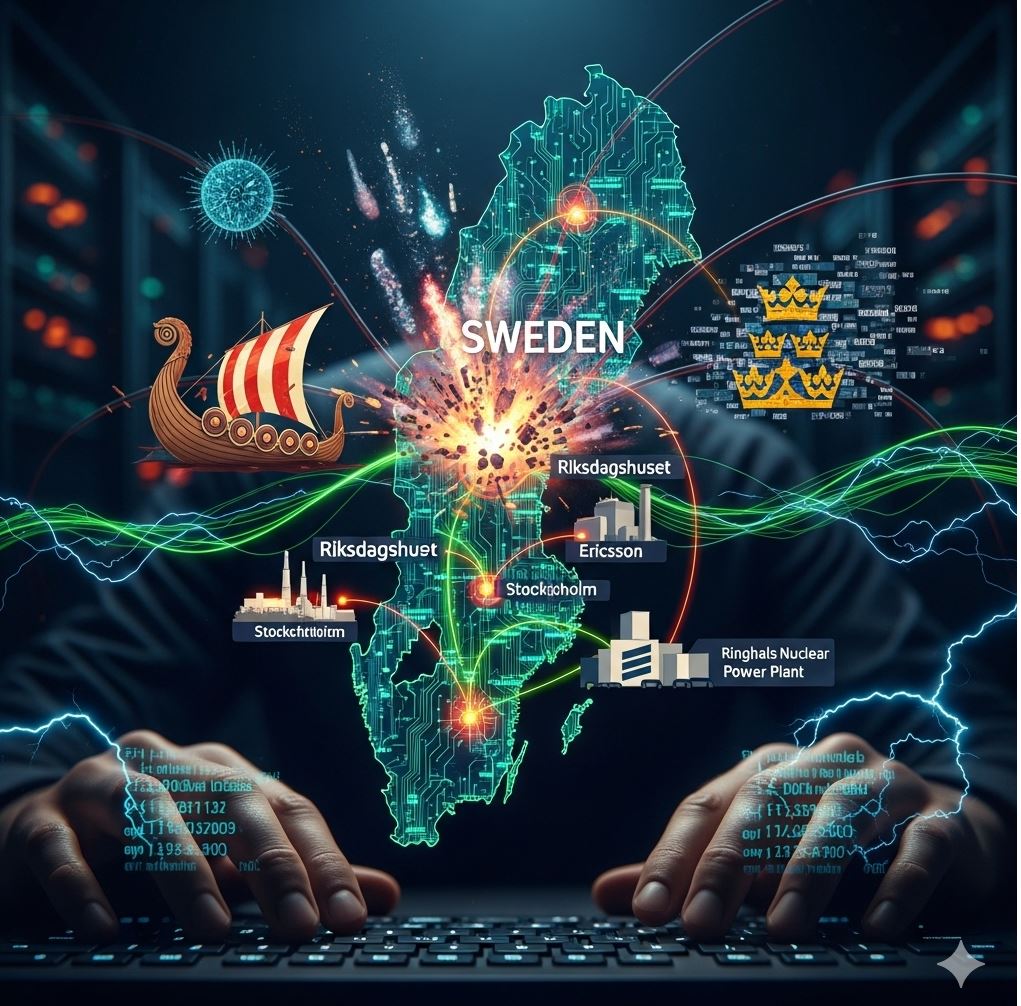
A New, Aggressive Player in Cybercrime
According to Nikka, Datacarry is a relatively new but rapidly evolving threat actor. “They’ve only claimed around ten victims so far — including a Danish healthcare provider last year — but their tactics are textbook ransomware extortion: steal, threaten, publish.”
Despite the ransom demand, Nikka strongly advises against payment. “Criminals cannot be trusted to delete data — even if paid. Once data is out, it’s out. The focus must shift to damage control, user education, and systemic hardening.”
Authorities Mobilize; Citizens Urged to Stay Vigilant
The Swedish Police and cybersecurity firm Truesec are actively investigating the breach. SVT News, which first broke the story, confirmed the authenticity of leaked records through verified screenshots.
For affected individuals — many of whom may not even realize their data was compromised — experts urge immediate caution:
- Do not respond to unsolicited calls, texts, or emails referencing personal details.
- Enable multi-factor authentication on all critical accounts.
- Monitor bank and credit activity for anomalies.
- Report suspicious contact to local authorities or the Swedish Authority for Privacy Protection (IMY).
A Wake-Up Call for Nordic Public Infrastructure
This incident underscores a growing vulnerability in the Nordic region’s digital public infrastructure. With municipalities increasingly reliant on centralized third-party vendors like Miljödata, a single breach can cascade into a national crisis.
“This isn’t just an IT failure — it’s a systemic risk,” said Nikka. “When 80% of municipalities depend on one provider, that provider becomes a crown jewel for cybercriminals. We need redundancy, transparency, and mandatory cybersecurity audits for all public-sector vendors.”
Are You Affected?
If you are or have been employed by a Swedish municipality or region, assume your data may be compromised. The Nordic Business Journal encourages readers to contact their HR departments for confirmation and to report any suspicious activity.
The Nordic Business Journal will continue to monitor this developing story and provide updates as authorities release further information. In an era where data is the new currency, the protection of citizen information must become a national — and regional — priority.