
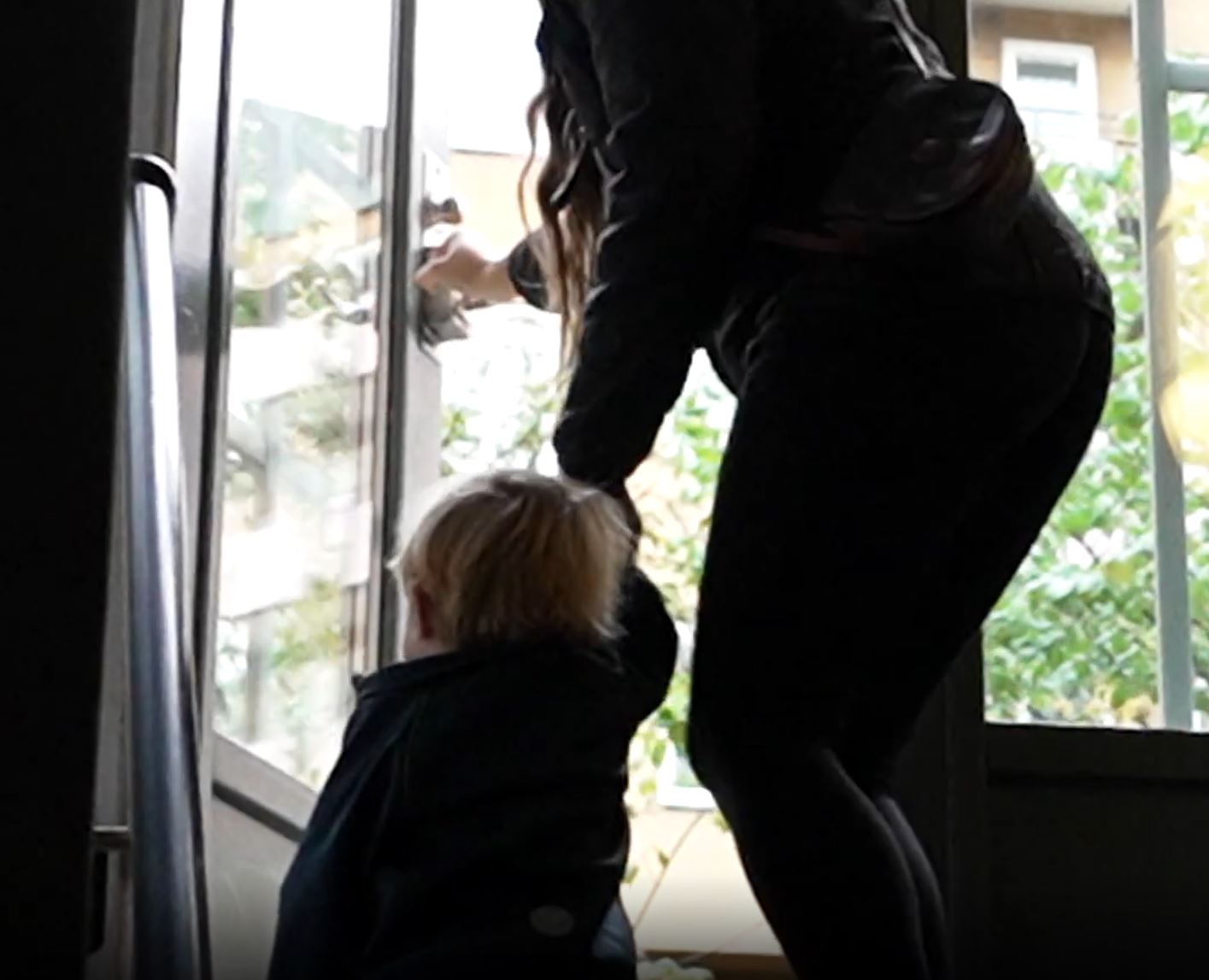
Stockholm, Sweden – In an alarming trend that is affecting families across Stockholm, a significant decrease in the number of children attending preschools is projected to impact both independent and municipal institutions. The ripple effects of this demographic shift are already being felt, as several preschools have been forced to close, with more potentially on the horizon. One of the most emotional stories unfolding is that of one-year-old Maximilian, whose parents fear their son might be forced to leave his beloved preschool due to declining enrolment numbers.
A Decline in Enrolment: Independent and Municipal Preschools Affected
Stockholm’s preschool system is currently grappling with a stark reality: a forecasted decrease in enrolment that could reshape early childhood education in the city. Originally, over 19,000 children were expected to enrol in independent preschools this year. However, recent data from the preschool administration paints a different picture. The number has now dropped by over 1,200 children, a trend that will continue into the next three years.
For parents like Isabell Hultman, whose son Maximilian attends a small, independent preschool in Kungsholmen, the impact is deeply personal. “It’s very tragic and feels completely unreasonable,” Hultman shared. “Those of us who want this small-scale and familiar environment for our children are finding that choice may no longer be available to us.”
Maximilian, who is only 1.5 years old, could be one of the first to feel the consequences of these closures. “We just started schooling him and everything felt so right. But now we are hearing that our preschool might close because they have a cap of 15 children, and currently, there are only nine,” Hultman added, frustration evident in her voice.
Challenges in Municipal Preschools
The crisis extends beyond independent preschools. Municipal preschools are also facing challenges, with a predicted decline in enrolment expected to continue through 2025. The city’s preschool administration initially forecasted that approximately 30,500 children would attend municipal preschools in 2025. However, recent updates suggest that number could fall to around 28,800, a decrease of over 1,700 children.
Katarina Odén-Ryhede, head of the preschool administration in Stockholm, expressed concern over the prolonged nature of the enrolment decline. “What makes this situation particularly challenging is that the decrease in the number of children appears to be lasting longer than earlier projections indicated. While we continue to plan for future needs, we must balance resource allocation with maintaining the high quality of our services,” Odén-Ryhede explained.
Closing Preschools and the Strain on Families
In Farsta, a district in southern Stockholm, the effects of the declining birth rate are already being felt. The number of children enrolled in municipal preschools has decreased from approximately 2,125 in September of the previous year to an expected 2,050 in September of this year.
This shift has led to the closure of several preschools, including Växthuset in Sköndal, Ejdern in Fagersjö, and Krabat in Farsta Strand. The Sunnan preschool, which was previously used as an evacuation center, and a section of the Skogsbacken preschool have also closed.
For parents in Farsta, these closures add to the uncertainty surrounding early childhood education options in the city. Many are left wondering whether their child will have access to the same high-quality care and educational opportunities that they had hoped for when they first enrolled.
A Long-Term Trend: What the Future Holds
Looking ahead, the decline in preschool enrolment in Stockholm is expected to continue until at least 2028, with a projected increase afterward. The changing birth rates, alongside shifting societal trends, appear to be driving the reduction in preschool-aged children. These shifts are putting a strain on the city’s ability to maintain a diverse and accessible network of preschools, both public and private.
Experts warn that this demographic decline could have lasting effects on the city’s early childhood education system, potentially leading to larger class sizes, fewer options for parents, and a reimagining of how preschools are structured and funded in the years to come.
For Isabell Hultman and families like hers, the uncertainty surrounding preschool closures raises difficult questions about the future of small-scale, personalized early childhood education in Stockholm. “It feels like we’re losing something important,” she said. “We don’t just want a place for our children; we want a community, a safe environment where they can grow at their own pace. But now, that might not be an option.”
Conclusion: A Turning Point for Stockholm’s Preschools
As Stockholm grapples with these challenges, the city’s approach to early childhood education may need to evolve. While demographic trends indicate a temporary decrease in the number of preschool-aged children, the long-term sustainability of the system will depend on how well the city can balance the needs of families with the realities of population shifts.
For now, parents like Isabell Hultman can only hope that the future will bring a solution that allows for the continuation of the small, intimate preschools that they hold dear — and that one-year-old Maximilian will not be forced to leave the place he loves so early in his educational journey.