
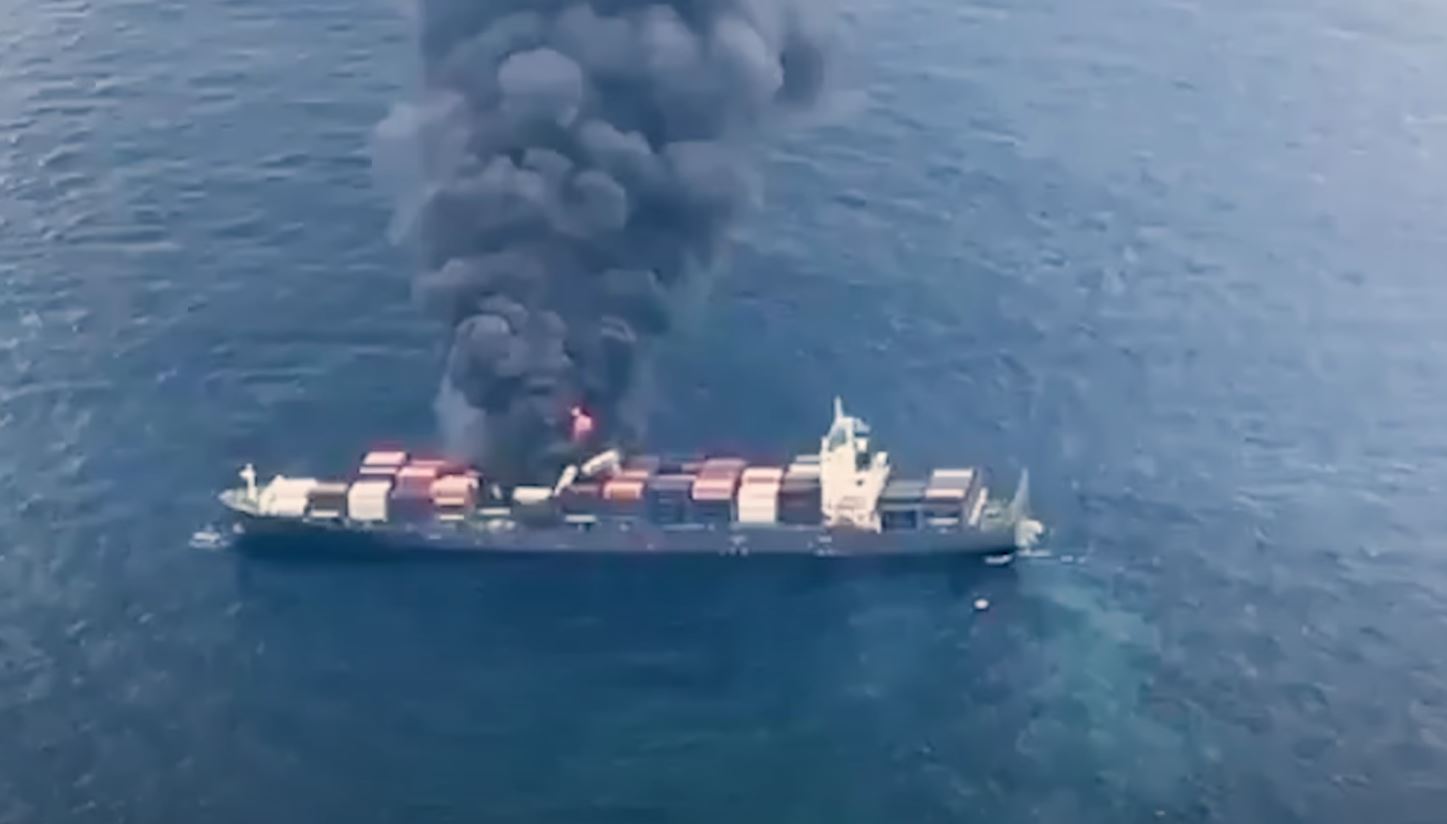
The number of fires on container ships has skyrocketed in recent years, with 2024 marking a particularly alarming high, reaching the most incidents in a decade. One of the primary culprits behind this surge? Lithium-ion batteries. These increasingly common but highly flammable materials are often not properly declared, leading to significant safety risks, especially when they go undetected during shipment.
As the maritime industry continues to navigate this growing threat, the global container sector is turning to cutting-edge technology, including artificial intelligence (AI), to mitigate these risks.
The Growing Threat of Fire on the High Seas
Modern container ships, which can now carry up to 24,000 containers, have become floating behemoths of international trade. While their large cargo holds make them capable of transporting vast quantities of goods, they also present a much more complicated and dangerous environment when accidents occur.
According to Allianz, a leading global insurance provider, the cost of managing and responding to incidents on these larger ships has escalated dramatically. Adding to the challenge is the rising volume of battery-related cargo as the world shifts toward electrification and renewable energy. Lithium-ion batteries, commonly used in everything from electric vehicles to consumer electronics, have become a frequent stowaway on many vessels—often under misrepresented declarations.
Rahul Khanna, an expert at Allianz, explains the issue: “The latest problem is lithium-ion batteries, where shipments are often declared as ‘computer parts’ or other innocuous materials to avoid additional fees. This leads to dangerous misdeclarations and a lack of proper safety measures.”
AI: The New Frontier in Fire Prevention
In response to this rising risk, the shipping industry is increasingly adopting digital technologies. One promising solution is the deployment of AI systems designed to detect improperly declared goods before they even set sail.
Utilizing advanced pattern recognition and machine learning algorithms, these systems can analyse booking data in real time, flagging any discrepancies that could indicate misdeclarations. AI’s ability to learn from past incidents enables the technology to identify emerging patterns or geographical trends that may signal potential hazards, further enhancing the system’s ability to prevent dangerous cargo from being loaded onto ships in the first place.
Shipping giants, as well as insurers, are applauding this initiative. With misdeclared cargo long considered one of the biggest concerns in maritime safety, AI-powered tools are seen as a critical step toward reducing fire-related accidents at sea. According to industry experts, this tech-driven approach not only increases safety but also helps lower the financial and environmental costs of such incidents.
Struggling to Tame the Flames
The stakes are particularly high when it comes to extinguishing fires that erupt on these colossal ships. A recent case involved the Singapore-registered Wan Hai 503, which endured a catastrophic fire that took several lives. The fire took months to extinguish, and it was over two months before the vessel was towed to port for repairs. Such fires are notoriously difficult to control, especially when they start deep within the cargo holds, where access is limited and water cannot be effectively deployed.
These incidents highlight the challenges faced by maritime crews when responding to emergencies on modern container ships. The risk to human life is compounded by the significant environmental damage, as prolonged fires at sea can pollute marine ecosystems and cause lasting damage to the surrounding environment.
The Climate and Economic Intersection
While safety remains a top priority, the fires on container ships also intersect with the global push to combat climate change. The United Nations’ International Maritime Organisation (IMO) is slated to vote next month on implementing a global carbon pricing system for shipping, a proposal aimed at reducing the industry’s environmental impact.
However, the proposal has sparked significant controversy, particularly from the United States, which argues that such a measure would disproportionately burden American trade. The debate continues to unfold as the industry grapples with the dual challenge of improving safety while navigating the evolving landscape of environmental regulation.
Looking Ahead: A Safer Future for the Shipping Industry
As fires at sea become a more prominent issue, the collaboration between the shipping industry, insurers, and tech innovators will play a key role in shaping a safer future for global trade. The integration of AI into cargo management systems could be a game-changer, helping to ensure that shipments are accurately declared and reducing the likelihood of dangerous incidents.
Ultimately, the goal is to prevent the deadly combination of misdeclared cargo and hazardous materials from endangering lives and the environment. With technology on their side, stakeholders are optimistic that a more secure and sustainable future for maritime shipping is within reach.