
In one of the largest environmental lawsuits in Zambia’s history, 176 local farmers have united to file a case against two mining companies with strong ties to the Chinese state. Sino Metals Leach Zambia and NFC Africa Mining, subsidiaries of Chinese state-owned enterprises, are accused of causing an environmental catastrophe in and around the city of Kitwe, located in the country’s copper-rich Copperbelt region.
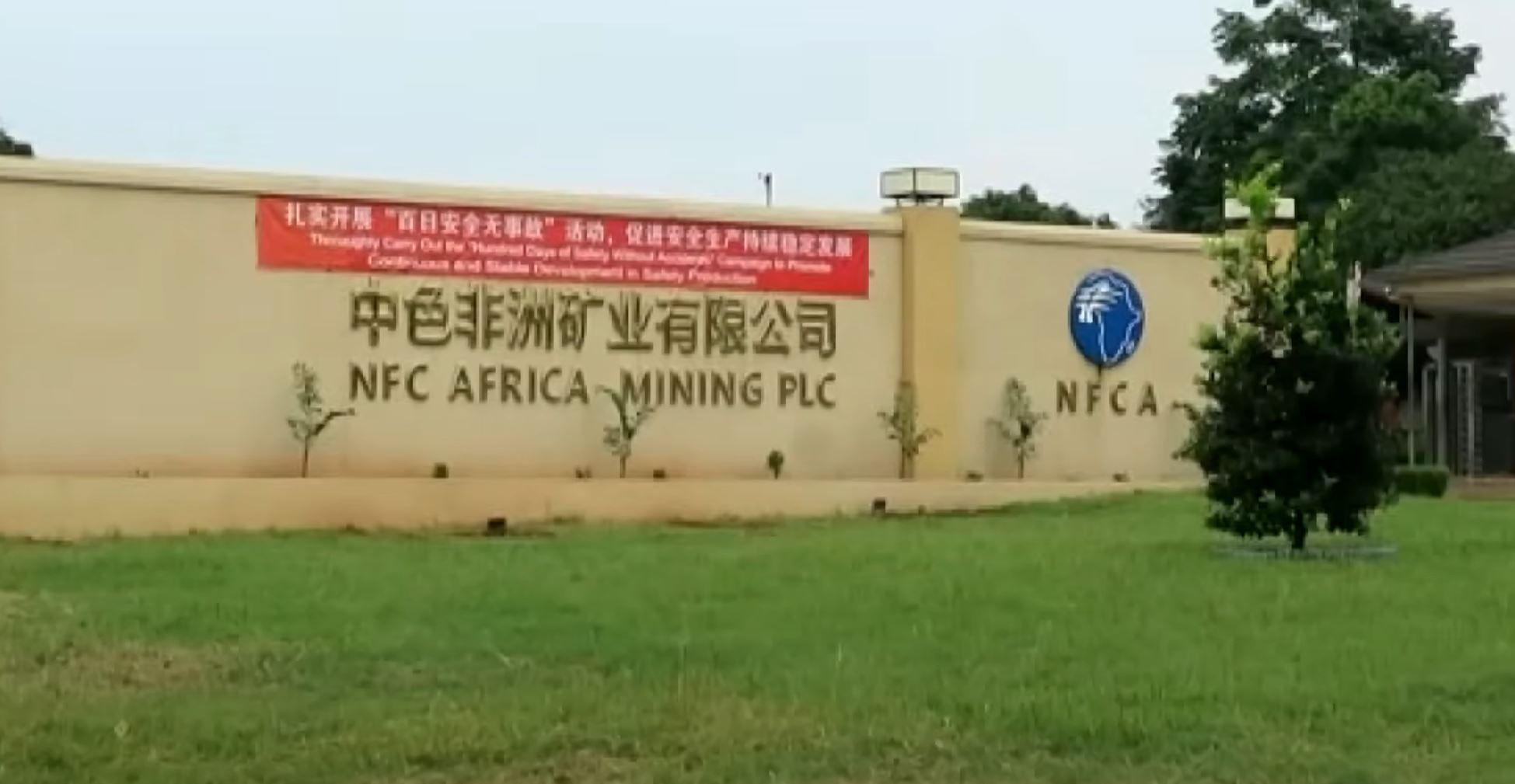
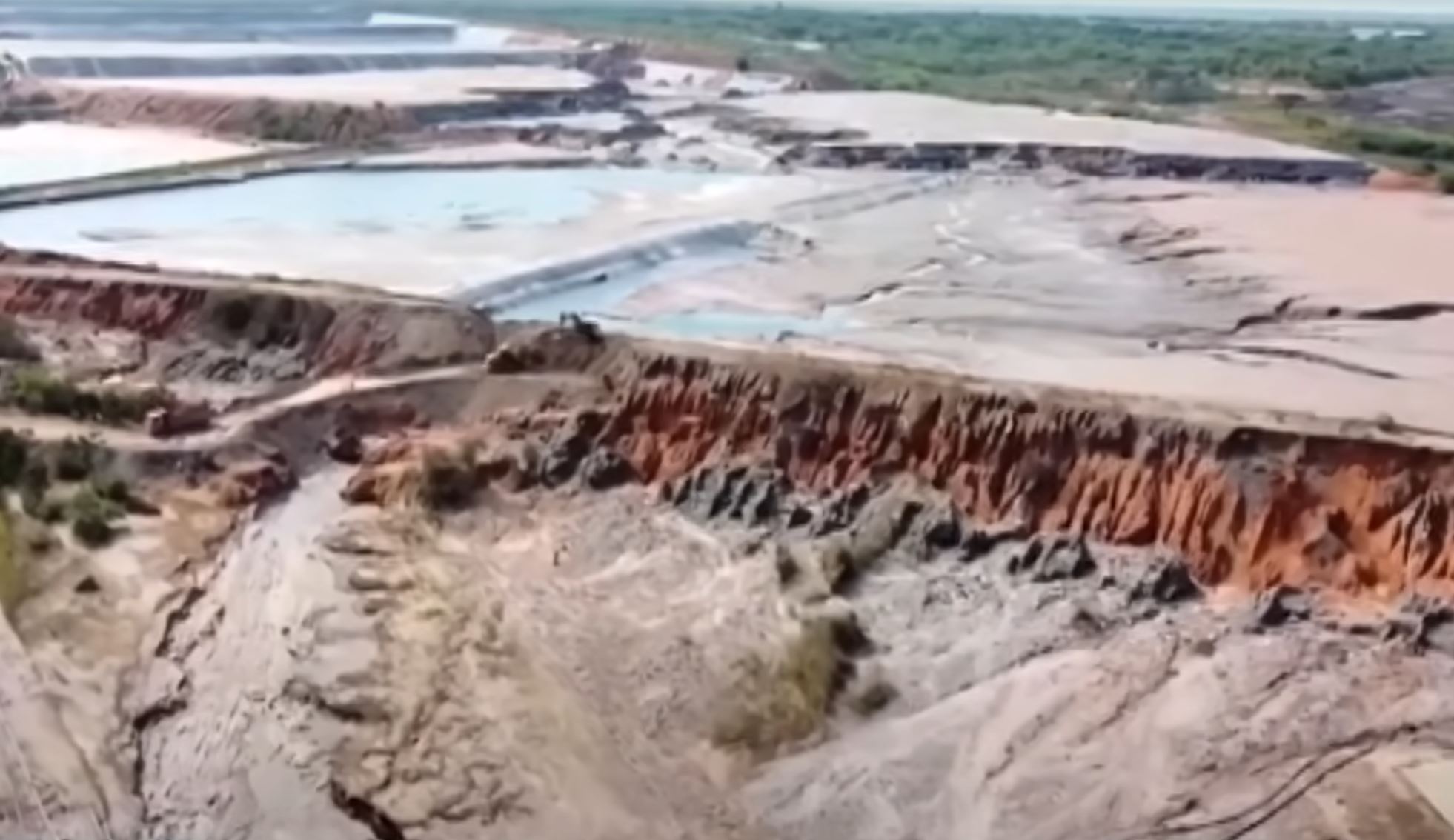
The two companies stand accused of being directly responsible for the catastrophic collapse of a dam, which resulted in the release of toxic waste from copper mining operations. The toxic spill has severely impacted the environment, with evidence emerging that the chemical contaminants have infiltrated drinking water, led to widespread fish kills, and destroyed vital crops.
Zambian authorities, environmental activists, and international bodies have raised alarms about the severe consequences of the spill. The United States Embassy in Zambia has previously issued warnings regarding the contamination, specifically highlighting the significant health risks posed by the pollution of soil and water sources in the region. These concerns have only been exacerbated by reports of ongoing environmental degradation.
The lawsuit, filed in Zambia’s Supreme Court, is expected to be one of the largest of its kind, with the plaintiffs seeking reparations for damages caused to their livelihoods, health, and local ecosystems. The farmers claim that their agricultural land, once fertile and productive, has been rendered uninhabitable due to the toxic materials released by the mining operations. Additionally, the fishermen in the region report catastrophic losses as the chemical discharge has decimated local fish populations, a key source of food and income for many in the area.
Environmental experts have underscored the gravity of the situation, with some suggesting that this disaster could have long-term repercussions for Zambia’s already fragile ecosystem. Kitwe, a city historically known for its copper mining industry, has now become the epicentre of an ecological crisis that threatens not only the livelihoods of the affected farmers but also the broader environmental health of the region.
This lawsuit highlights the growing concerns over the environmental practices of foreign-owned mining companies in Africa, especially those with ties to Chinese state interests. China has become a major investor in African mining operations over the past two decades, fuelling concerns about the environmental costs of rapid industrialization.
The case is poised to set a significant legal precedent, not only for Zambia but for other African nations grappling with the complex balance between resource extraction, economic development, and environmental protection. With mounting pressure from both local communities and international watchdogs, the outcome of this case could influence how mining companies are held accountable for their environmental practices across the continent.
As the legal process unfolds, all eyes will be on Zambia’s Supreme Court, as the country confronts a landmark moment in its struggle to hold foreign corporations accountable for environmental harm. The case also serves as a crucial reminder of the importance of sustainable practices in Africa’s mining sector, which remains one of the continent’s most lucrative yet environmentally contentious industries.