
By Larsen Matte, Visiting Health & Science Correspondent
COPENHAGEN — In a world increasingly obsessed with glucose monitors, “low-glycemic” labels, and fear of the dreaded “sugar spike,” one Danish researcher is sounding a refreshingly contrarian note: Your blood sugar is supposed to rise and fall — and that’s perfectly okay.
Nicklas Brendborg, biologist, longevity researcher, and author of the international bestseller Jellyfish Age Backwards, is pushing back against what he calls a “misguided panic” around blood sugar fluctuations — particularly when it comes to humble staples like oatmeal and rye bread.
His message? If you’re metabolically healthy, your body was literally designed to handle these ups and downs. And demonizing whole grains might be doing more harm than good.
The Great Oatmeal Debate
The controversy flared up after Danish influencer and entrepreneur Emil Thorup labelled cereals — including oatmeal — as “peasant food” on a popular podcast, claiming they cause dangerous blood sugar spikes that wreak havoc on the body.
Brendborg, appearing on the podcast The Quest for Eternal Life alongside host Frederik Dirks, didn’t mince words in his rebuttal.
“There is nothing wrong with blood sugar rising. And it’s important to emphasize — the increase isn’t even that large when you eat oatmeal,” Brendborg said.
He went further: “In general, it is not dangerous to have a blood sugar spike if you are healthy. Your body is designed to regulate your blood sugar effectively.”
What Science Actually Says
Brendborg points to clinical studies comparing diets that cause blood sugar fluctuations with those that don’t. The results? No meaningful difference in weight loss, cholesterol levels, or HbA1c (long-term blood sugar markers).
“You don’t lose weight just because you stabilize your blood sugar,” he explained. “And stable glucose doesn’t automatically mean better metabolic health — not if you’re already healthy.”
The real villains, he argues, aren’t oats or rye — but sedentary lifestyles, excess body fat, and ultra-processed foods stripped of fibre.

Why Fibre Is the Real Hero
Far from being “peasant food,” Brendborg champions oatmeal and rye bread as cornerstones of a healthy Danish diet — precisely because they’re rich in fibre.
“Fiber slows the absorption of carbohydrates, blunts glucose spikes naturally, and feeds your gut microbiome,” he says. “A fibre-rich diet is linked to lower risks of heart disease, colon cancer, type 2 diabetes, and even improved mental health.”
He adds: “If you look at the average Dane’s eating habits, oatmeal and rye bread are actually something we do right. It would be a shame if fear-mongering made people abandon them.”
What Actually Helps Your Blood Sugar
So if avoiding oatmeal isn’t the answer, what is? Brendborg offers four evidence-backed strategies:
- Move your body — especially after meals. A short walk after eating can significantly lower post-meal glucose levels.
- Strength and endurance training. Muscle is your body’s biggest glucose sink — the more you have, the better you handle carbs.
- Maintain a healthy weight. Excess fat, especially around the abdomen, is strongly linked to insulin resistance.
- Prioritize fibber-rich whole foods. Think: oats, rye, legumes, vegetables — not just for glucose control, but for overall longevity.
When Blood Sugar Does Matter
Brendborg is quick to add an important caveat: “If you have diabetes or prediabetes, or suspect you might, then yes — blood sugar management is critical. Chronically elevated glucose can damage nerves, eyes, kidneys, and blood vessels.”
His advice? Don’t self-diagnose based on social media trends. See a doctor. Get tested. Let science — not influencers — guide your health decisions.
A Cultural Crossroads
This debate arrives as Danish public broadcaster DR launches its autumn series, “What Should We Have?” — a deep dive into Danish food culture, asking how tradition, health, and pleasure intersect at the dinner table.
Brendborg’s message fits squarely within that conversation: Let’s not throw out our rye bread with the bathwater.
“We’re losing sight of what real, nourishing food looks like,” he says. “Oatmeal isn’t the problem. Ultra-processed snacks, sugary drinks, and sitting all day — those are the problems.”
The Bottom Line
Blood sugar fluctuations are not a flaw — they’re a feature. Your pancreas, liver, and muscles evolved to handle them. Oatmeal won’t break you. Rye bread won’t ruin you. In fact, they might just be keeping you healthier than you realize.
So next time you hear someone panic over a “glucose spike,” take a breath — and maybe a bite of rugbrød.
Your body will thank you.
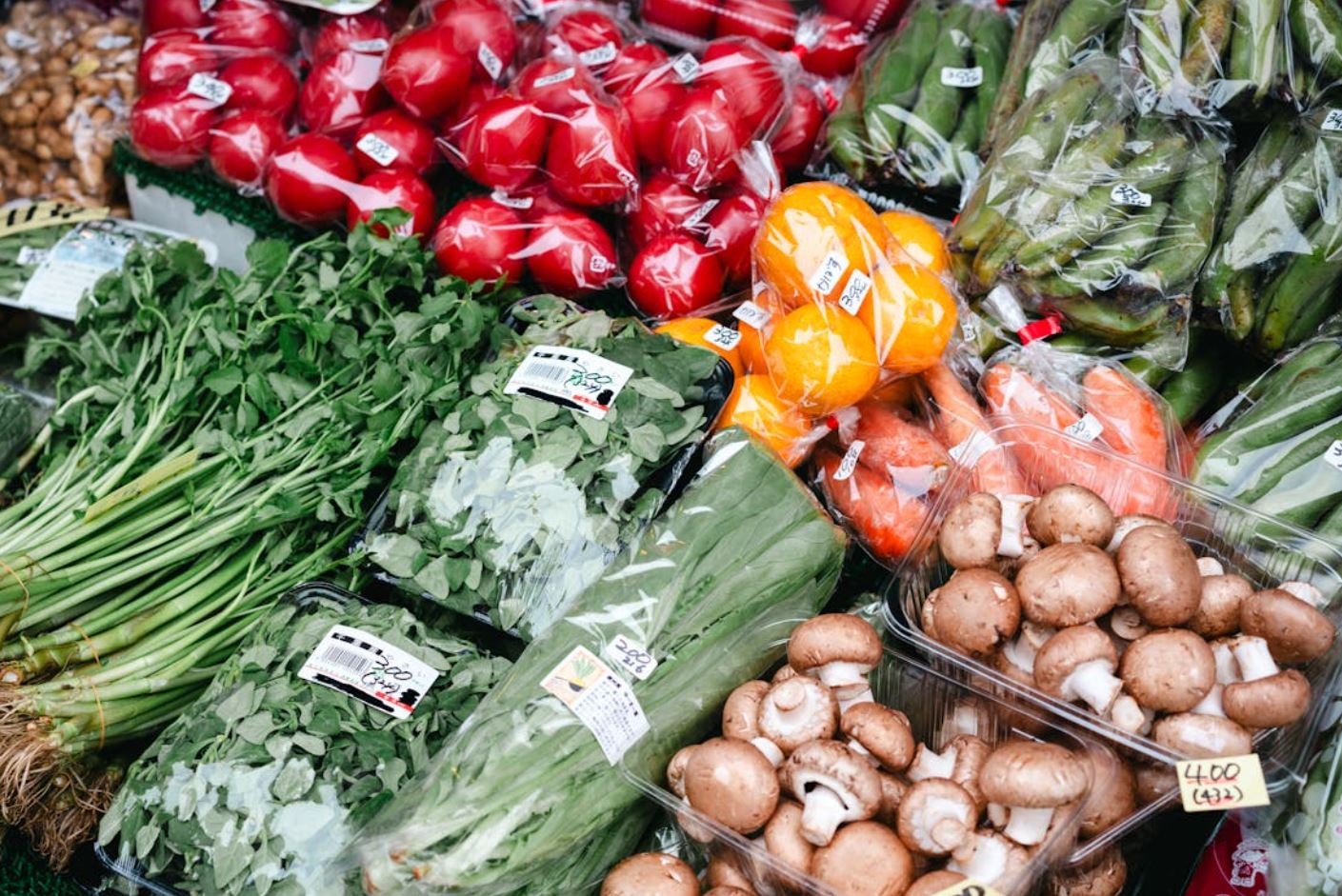
Key High-Fibre Foods to Support Blood Sugar Balance & Overall Health
Including fibre-rich foods in your daily diet is one of the most effective — and delicious — ways to support stable blood sugar, gut health, heart health, and long-term wellbeing. Here’s a practical list of top fibre sources, grouped by category:
| Whole Grains (Ideal for Breakfast & Sandwiches) |
| Oatmeal (rolled or steel-cut oats) – Rich in beta-glucan, a soluble fibre that slows glucose absorption. |
| Rye bread (especially whole grain/dark rye) – Dense, filling, and packed with fibre. |
| Barley – Great in soups and stews; high in both soluble and insoluble fibre. |
| Quinoa – A complete protein and fibre-rich pseudo-grain. |
| Brown rice & wild rice – Better fibre content than white rice. |
| Whole wheat pasta & bread – Choose 100% whole grain versions. |
| Buckwheat – Gluten-free and fibre-dense; perfect for porridge or pancakes. |
| Vegetables (Aim for Variety & Colour) |
| Broccoli – Fibre + sulforaphane = a metabolic powerhouse. |
| Brussels sprouts – Surprisingly high in fibre and antioxidants. |
| Carrots – Crunchy, sweet, and great raw or cooked. |
| Sweet potatoes (with skin) – More fibre than white potatoes. |
| Spinach, kale & other leafy greens – Low-calorie, high-fibre volume foods. |
| Artichokes – One of the highest-fibre vegetables available. |
| Peas & green beans – Easy to add to meals; fibre and protein combo. |
| Fruits (Nature’s Sweet Fibre Fix) |
| Apples (with skin) – “An apple a day” holds up — high in pectin, a soluble fibre. |
| Pears (with skin) – Even higher in fibre than apples. |
| Berries (raspberries, blackberries, strawberries) – Raspberries top the chart with 8g fibre per cup. |
| Bananas (slightly green = more resistant starch) – Good for gut health. |
| Oranges & grapefruit – Citrus = soluble fibre + vitamin C. |
| Avocados – Technically a fruit! Packed with fibre and healthy fats. |
| Legumes (Fibre + Plant Protein Powerhouses) |
| Lentils – Cook quickly; 15g fibre per cup (cooked). |
| Black beans, kidney beans, chickpeas – Versatile in salads, soups, and spreads (like hummus). |
| Split peas – Classic in soups; very high in fibre. |
| Edamame (young soybeans) – Great as a snack or in stir-fries. |
| Baked beans (in tomato sauce, low-sugar versions) – Traditional, filling, fibre-rich. |
| Nuts & Seeds (Small but Mighty) |
| Chia seeds – Absorb water, form a gel — great for smoothies or overnight oats (10g fibre per ounce). |
| Flaxseeds (ground) – Rich in fibre and omega-3s; add to yogurt or baked goods. |
| Almonds & pistachios – Fibre + healthy fats + protein. |
| Pumpkin seeds & sunflower seeds – Crunchy fibre boosters for salads or snacks. |
| Psyllium husk – A concentrated soluble fibre supplement (great for baking or mixing into drinks). |
| Pro Tips: |
| Leave the skin on fruits and veggies when possible — that’s where much of the fibre lives. |
| Start slow if increasing fibre — too much too fast can cause bloating. Drink plenty of water! |
| Mix soluble and insoluble fibre — soluble (oats, beans, apples) helps lower glucose/cholesterol; insoluble (whole grains, veggies) keeps you regular. |
Bottom Line:
Fibre isn’t just about “staying regular.” It’s a cornerstone of metabolic health — naturally smoothing out blood sugar spikes, feeding your gut microbiome, and keeping you full longer. Whether it’s a bowl of oatmeal, a slice of rye, or a handful of berries, every gram counts.
Eat the fibre. Fear the spike no more.