
Denmark is preparing to arm itself with long-range precision weapons, a move that signals a sharp break from its traditional defence posture. Prime Minister Mette Frederiksen called it a “paradigm shift” in Danish security policy, one driven by the simple logic of deterrence: if others can strike you, you must be able to strike back.
Independent defence analyst Hans Peter Michaelsen puts it bluntly. “We can hit you too, so you better not start attacking us. That’s what deterrence is all about.”
For years, Denmark has relied on NATO’s collective umbrella and a more defensive toolkit. But with neighbours like Norway, Finland, Poland, and the Netherlands already fielding offensive capabilities, Copenhagen has decided it cannot remain an exception.
What Denmark Might Buy
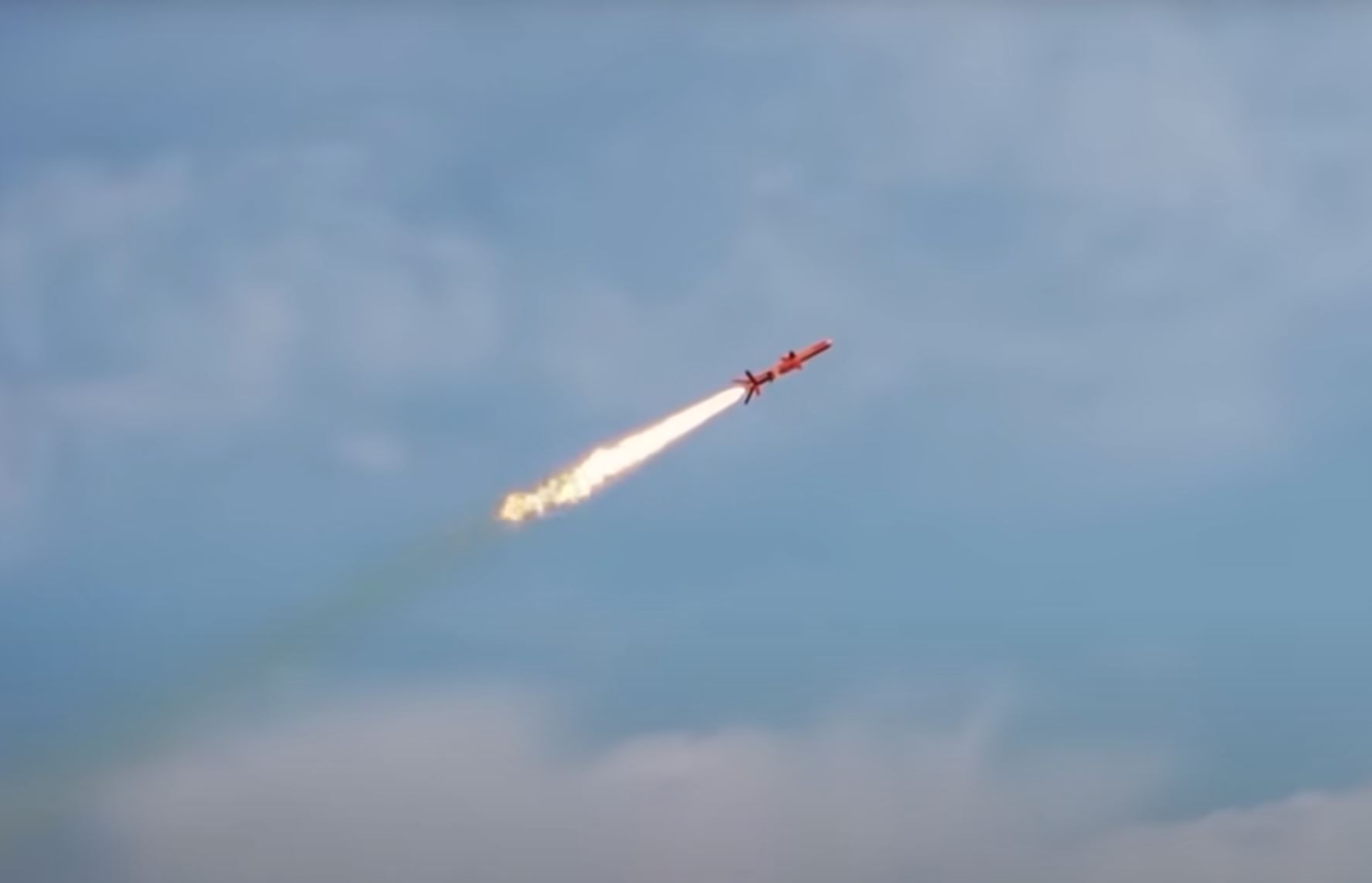
The government has not yet announced which systems it will acquire. Defence Minister Troels Lund Poulsen noted that options include air-launched missiles for Denmark’s F-35 fleet, which could strike targets far beyond Danish borders. Whatever the choice, the intent is clear: a military capacity that can reach deep into enemy territory and neutralize missile threats before they reach Denmark.
Russia as the Driver
At the press conference announcing the decision, Frederiksen underlined the broader context: Russia’s ongoing war in Ukraine, its military buildup, and its open hostility toward NATO. “The situation is serious for Europe and for Denmark, and there is no doubt that Russia will be a threat for many years to come,” she said. Still, she stressed there is no imminent danger of an attack on Denmark itself.
Michaelsen agrees. Today’s announcement, he says, shouldn’t make ordinary Danes nervous. Instead, it is meant to ensure that Denmark has a credible voice within NATO and the ability to deter threats before they materialize.
Moscow’s Outrage
The Russian reaction was swift. Ambassador Vladimir Barbin dismissed Denmark’s plan as “pure madness,” warning that openly threatening a nuclear power was reckless and could be taken as preparation for direct conflict.
Frederiksen didn’t let the accusation stand. “He says this to threaten Denmark,” she countered on Danish television. “Russia is trying to threaten Europe and NATO to stop defending our people and borders. Of course, we will not be intimidated.”
She pointed to Russia’s transformation into a war economy and its rapid rearmament as proof that Denmark cannot afford complacency. “We are preparing for the scenario that is unfortunately possible. Namely, that Russia can attack other places in Europe than what we have seen in Ukraine.”
The New Reality
For a country long focused on defence and international cooperation, Denmark’s step into offensive capability is historic. It aligns the nation with its neighbours, strengthens NATO’s deterrent posture, and acknowledges a reality that Europe can no longer ignore: Russia is not just a problem for Ukraine but a long-term threat to the continent’s security.
The weapons themselves have yet to be chosen. What matters is the principle. Denmark no longer wants to be the ally that can only defend its own skies. It wants to be the ally that can reach out and strike back if provoked.