
On the evening of Monday, September 22nd, Copenhagen’s Kastrup Airport, Denmark’s busiest hub, was thrown into chaos after multiple drones were spotted flying in restricted airspace, forcing the airport to shut down for several hours. With the police launching an extensive operation and flights diverted to other airports, the incident not only disrupted international travel but also raised critical questions about airport security and drone regulations in an increasingly drone-dominated world.
A Timeline of Chaos:
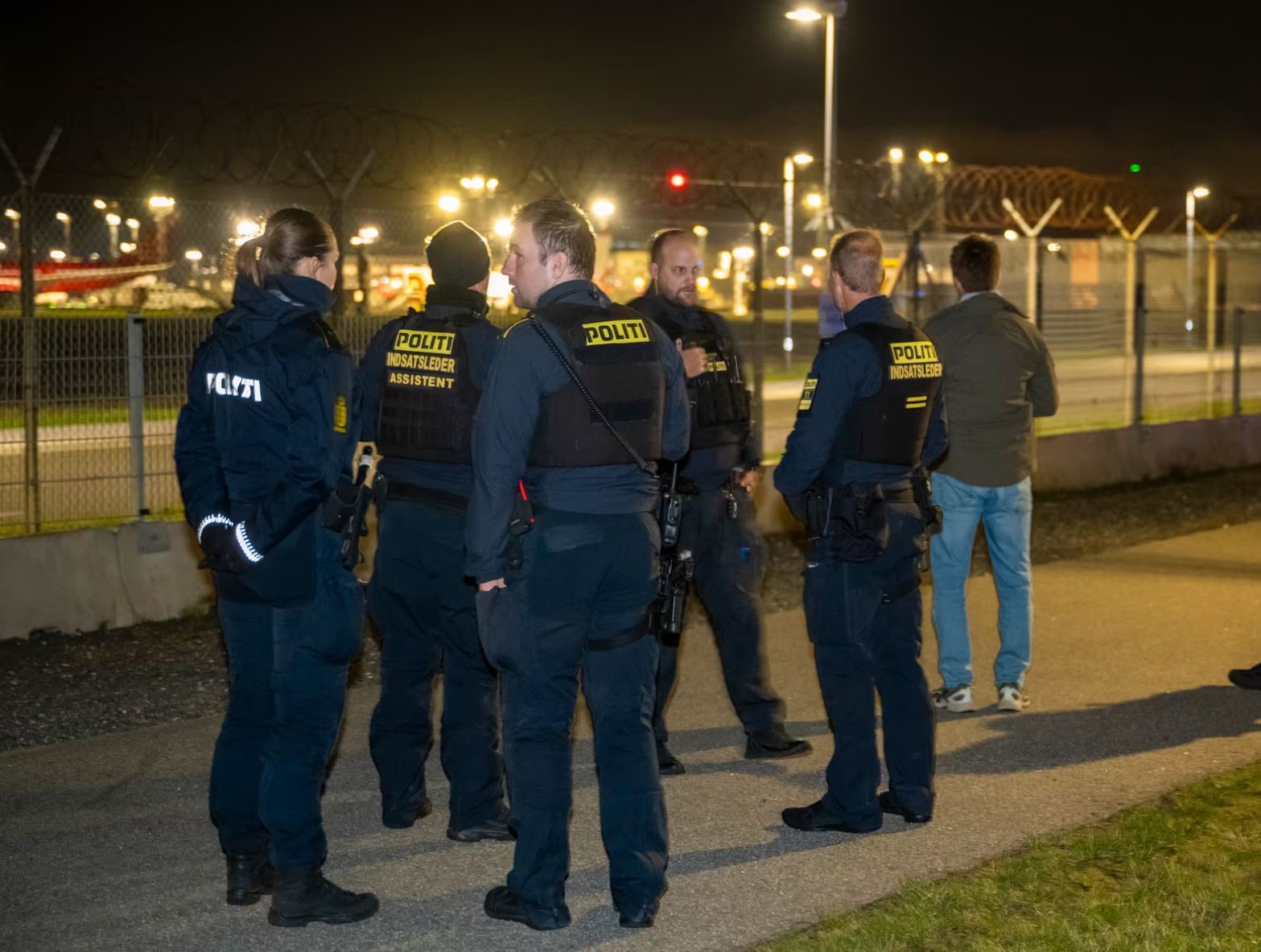
At approximately 8:30 p.m., Kastrup Airport closed its airspace after several drones were observed near the facility. As planes were grounded and departing flights halted, the police initiated a high-stakes operation to track and neutralize the drones. However, by 11:15 p.m., the situation remained unresolved as the drones continued to evade authorities, who reported no success in locating or taking down the flying objects. Meanwhile, arriving flights were rerouted to nearby airports in Sweden and Denmark, impacting at least 50 flights.
The airport eventually reopened at 00:30, but not before passengers were left stranded, and airlines had to handle extensive delays and cancellations. The Copenhagen police admitted that they had no information about where the drones had gone. Despite their attempts to reassure the public, Deputy Police Inspector Jakob Hansen stated, “We wish we knew where they were at this point.”
An Emergency Landing and Escalating Concerns:
Adding fuel to the fire, at around 11:00 p.m., an SAS aircraft made an emergency landing at Kastrup, despite the airspace being officially closed. The flight was forced to land as it was running low on fuel and unable to divert to another airport. This dramatic incident underscores the potential risks that drones can pose to both flight safety and aviation operations. If left unchecked, the presence of drones in restricted airspace could lead to disastrous consequences, especially in the busy air corridors around major airports.
International Implications:
The incident in Copenhagen did not stand isolated. Shortly after the Kastrup Airport reopened, Norwegian authorities reported that Oslo Airport Gardermoen had also been closed due to a similar drone alert. This raised suspicions about possible links between the two events, prompting cooperation between Danish and Norwegian police forces to investigate whether there is any connection.
While the immediate investigation into the origin and motives behind these drone activities is ongoing, the fact that Kastrup Airport had to shut down for several hours, along with the rerouting of multiple international flights, highlights the vulnerability of modern airports to emerging drone threats.
The Growing Threat of Drones in Aviation:
What this incident exposes is a significant gap in current airport security measures, especially when it comes to drones. These unmanned aerial vehicles (UAVs) are becoming more affordable and accessible to the general public, and with the increase in commercial and recreational drone use, the risk to aviation safety is intensifying. While drones can be a powerful tool in sectors like agriculture, delivery, and filmmaking, their use in or near airports represents a major security threat.
The fact that Kastrup’s authorities could not effectively neutralize the drones during the critical hours of disruption suggests that airport security measures are not equipped to handle this emerging threat. Even with advanced detection systems, drones can be difficult to track and neutralize, especially when they are operated in a coordinated manner by anonymous individuals.
Moreover, the police’s inability to track the drones raises questions about the effectiveness of drone regulations in Denmark and the broader European Union. While countries like the United States have implemented strict drone regulations around airports, Europe has been slower to adopt such comprehensive measures, leaving major airports exposed to such threats.
The Regulatory Dilemma:
In the aftermath of this incident, regulators will likely face increasing pressure to strengthen laws surrounding drones, particularly in areas with high air traffic. As it stands, the penalties for operating drones in restricted airspace are not severe enough to deter serious breaches. Many drone operators are unaware of the no-fly zones, while others knowingly flout regulations, putting public safety at risk.
Furthermore, the authorities must consider how to balance the increasing popularity of drones with the need to protect critical infrastructure like airports. Strict enforcement of no-fly zones and the development of effective drone-jamming technologies could be part of the solution. However, such measures must also account for the potential for misuse or collateral damage, as disrupting drone signals could unintentionally interfere with other aircraft or communication systems.
The Role of Technology and Collaboration:
Drone detection and neutralization technologies, such as radar systems and drone jammers, are improving, but the technology is still in its infancy. The fact that the drones at Kastrup were not taken down by the authorities suggests that current systems are not yet foolproof. Given that drones are capable of flying at high altitudes and can be equipped with stealth technologies, airports and authorities may need to invest in more advanced solutions for both detection and mitigation.
Moreover, international cooperation will be essential in addressing the growing threat posed by drones. As demonstrated by the rapid escalation of the incident from Copenhagen to Oslo, the borderless nature of drone operations means that threats can easily cross-national boundaries. To safeguard public and aviation safety, countries must work together to develop comprehensive, coordinated frameworks for drone regulation, detection, and enforcement.
Conclusion:
The drone incident over Copenhagen’s Kastrup Airport is a stark reminder of the growing challenges that drones present to aviation security. It highlights the urgent need for stronger regulatory frameworks, better technological solutions, and greater international collaboration to ensure the safety of air travel. As drones become an ever-present part of our technological landscape, authorities and stakeholders must act quickly to prevent a future disaster in the skies.
Kastrup’s temporary closure may have been a minor setback in the grand scheme of things, but it could have been much worse. As the world continues to embrace drone technology, the question remains: how much longer can we afford to ignore the risks they pose to aviation?