
The escalating threat of hybrid warfare is increasingly shifting focus to the energy infrastructure of nations, and Finland is emerging as a prime target for such risks. Paweł Czyżak, an expert at the Ember think tank, has raised alarms over the vulnerability of Finland’s electricity grid, which he claims is ill-prepared for potential Russian hybrid attacks. In an exclusive interview with Nordic Business News, Czyżak emphasizes the precarious position of Finland’s energy network, which could have far-reaching consequences not only within Finland but across the Nordic region.
Hybrid Threats to Finland’s Power Grid: A Growing Concern
Hybrid warfare, a combination of conventional military tactics and non-military methods like cyberattacks, disinformation campaigns, and sabotage, is becoming a strategic tool in geopolitical tensions. Russia, with its history of exerting pressure on neighbouring countries, particularly through energy resources, is often seen as a primary actor in such operations. According to Paweł Czyżak, Finland’s electricity grid stands as a potential target in this modern form of warfare, which could see cyberattacks and physical disruptions causing significant power outages.
Finland’s power grid is highly dependent on energy imports, especially from its neighbours. The country imports a considerable portion of its electricity from Russia, Sweden, and Norway. Despite recent diversification efforts, these supply routes leave Finland exposed, especially in times of heightened political tensions. As Czyżak explains, “If there were a major disruption in Finland, it would also affect Sweden and the Baltic states,” underscoring the interconnectedness of the Nordic energy systems.
Weak Interconnections: A Double-Edged Sword
One of the core vulnerabilities identified by researchers is Finland’s relatively weak interconnection with neighbouring countries. While there has been progress in creating better energy ties with Sweden and the Baltic states, the grid’s dependency on limited cross-border links makes it more susceptible to disruptions. During times of hybrid attacks, these interconnections could be manipulated or severed, leading to catastrophic outcomes.
The existing power grids between Finland, Sweden, and the Baltic states—while strategically important—are not robust enough to withstand large-scale attacks or sudden disruptions. Even a temporary loss of one of these key links could lead to a ripple effect, spreading from Finland into Sweden, Latvia, Estonia, and Lithuania. The Baltic states, which are heavily reliant on Finland for electricity imports, would find themselves particularly vulnerable, with potential long-lasting impacts on their economies and daily life.
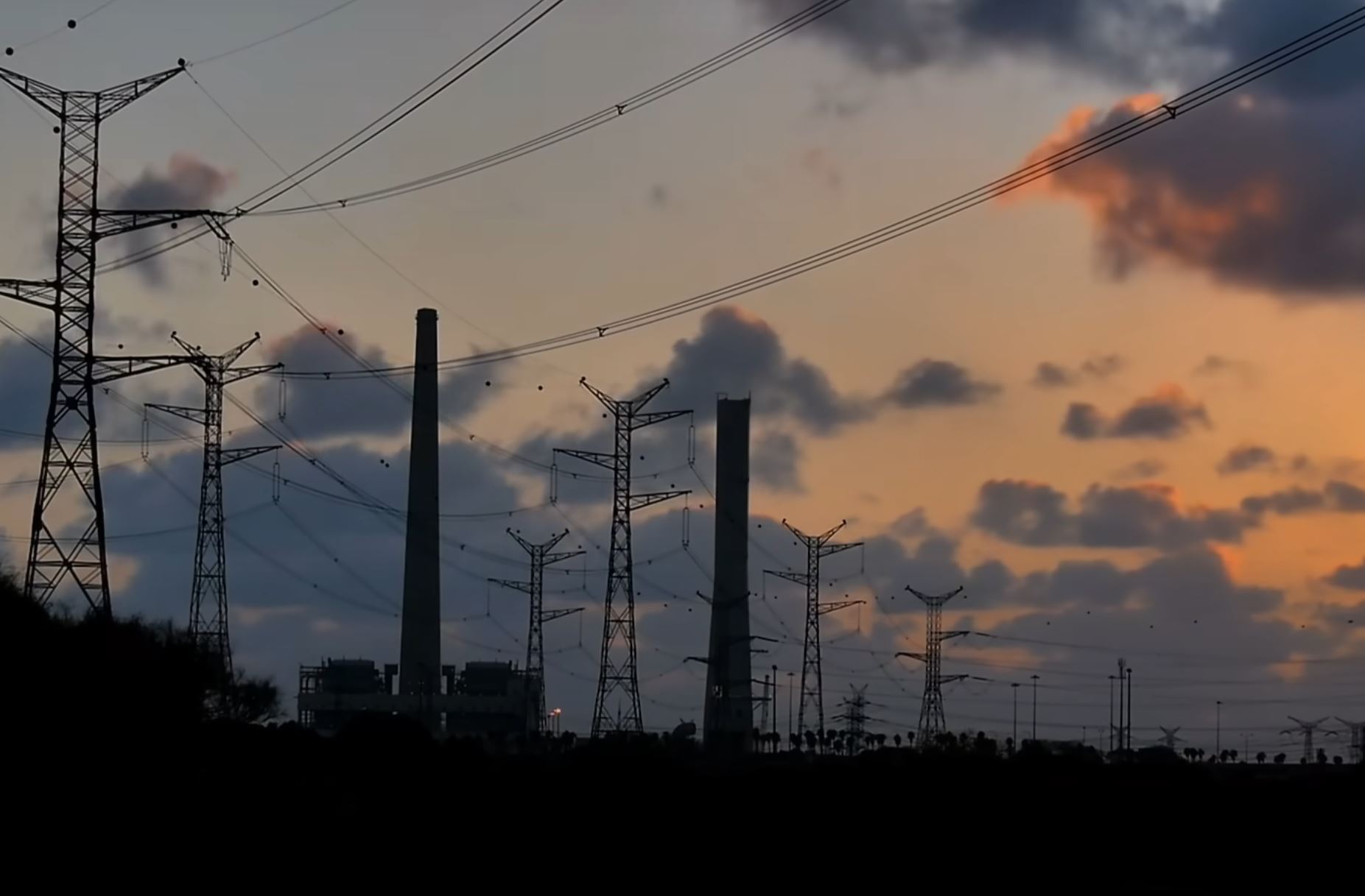
Russia’s Hybrid Tactics: A Realistic Threat
Paweł Czyżak suggests that Russia’s increasing interest in hybrid tactics makes Finland’s electricity grid an obvious target. These types of attacks often aim to destabilize countries without the need for open conflict, creating disruption and chaos while avoiding direct military engagement. In Finland’s case, the electricity grid is one of the most vital infrastructures to protect, as power outages not only disrupt daily life but also hinder critical services such as healthcare, transportation, and national defence operations.
One of the key components of this threat is cyber warfare, which has grown significantly in sophistication over recent years. Researchers have pointed out that cyberattacks targeting critical infrastructure like power grids can be extremely difficult to trace and counter, especially when they are combined with physical sabotage. Finland’s electricity grid, due to its reliance on external sources, could face the risk of being compromised or manipulated to create widespread outages or blackouts.
Strategic Recommendations: Strengthening Finland’s Energy Security
In response to these rising concerns, experts suggest several strategies to mitigate the risks facing Finland’s electricity grid. First and foremost, strengthening the country’s energy independence is seen as a priority. This could involve expanding domestic energy production—particularly renewable energy sources such as wind and solar power—which would reduce Finland’s reliance on foreign electricity imports. Additionally, improving the robustness of energy interconnections with neighbouring countries is crucial, not only for security reasons but also for economic resilience.
Investment in advanced cybersecurity measures to protect power grid infrastructure is also recommended. While Finland’s national defence capabilities are already among the most sophisticated in the world, its energy security strategies need to evolve to address the growing risks of cyber warfare. Partnerships with neighbouring countries to share intelligence and develop joint defensive measures against hybrid attacks are also seen as essential.
In conclusion, the growing threat of hybrid attacks, particularly from Russia, poses a unique challenge to Finland’s energy security. As experts like Paweł Czyżak have pointed out, the vulnerabilities of Finland’s electricity grid could trigger cascading effects across the Nordic region. While the risks are real, Finland has an opportunity to strengthen its resilience by investing in both physical infrastructure and cybersecurity. As hybrid warfare continues to evolve, it will be crucial for Finland to remain proactive and adapt its strategies to safeguard its energy network—and, by extension, its national security.
By addressing these vulnerabilities today, Finland can reduce the likelihood of energy disruptions tomorrow, ensuring the country remains secure, stable, and prepared for the future.