
The rise of drone warfare, particularly by Russia using Shahed-style drones in Ukraine, has brought the global community to the brink of a new era in military defence strategies. Ukraine has proven that countering these low-cost, high-efficiency drones doesn’t necessarily require expensive, high-tech solutions. According to experts, such as Lieutenant Colonel (retd) Esa Kelloniemi, director of the Finnish Air Defence Museum, and Lieutenant Colonel Heikki Kankkio, head instructor of air warfare at the National Defence College (MPKK) of Finland, there are several methods to combat these drones – but the cost-effectiveness of each varies dramatically.
As the conflict between Russia and Ukraine continues, the need for efficient, affordable countermeasures has never been more urgent. This article explores the costs of various drone countermeasures, what Ukraine has learned, and how Finland can apply these lessons to prepare for the growing drone threat.
1. Fighter Jets: A High-Cost Solution with Limited Reach
One of the most conventional methods to counter drones is using fighter jets, typically armed with air-to-air missiles or aircraft cannons. Ukrainian MiG fighters have used their 30mm cannons to shoot down drones like the Shahed. However, this method is far from cost-effective when scaled.
- Cost of Fighter Jet Countermeasures:
- The cost of an AMRAAM missile, often used for drone interception, can be as high as 1.5 million euros per missile.
- In contrast, a single cannon round from a fighter jet is priced at several hundred euros, making it slightly more affordable.
- The operational cost of flying a jet, such as an F-35, is around 32,000 euros per flight hour, and older jets like the F/A-18 Hornet cost approximately 10,000 euros per hour.
Despite the expense, fighters provide a significant strategic advantage—they can protect a large geographical area and react quickly to emerging threats. According to Kelloniemi, while expensive, this flexibility makes fighter jets a valuable tool when no other countermeasure is available.

2. Anti-Aircraft Missiles: Powerful But Pricey
Surface-to-air anti-aircraft missiles are another way to counter drones, but they come with a hefty price tag.
- Cost of Anti-Aircraft Missiles:
- Patriot missiles cost approximately 3.5 million euros per missile.
- Smaller missiles, like those from the Iris-T system, are cheaper but still expensive, averaging 400,000 euros per missile.
Kelloniemi warns that while anti-aircraft missiles can effectively neutralize drones, they may not be worth using against cheaper, mass-produced drones like the Shahed. This is particularly true given their high cost and limited availability. However, older systems, such as the Soviet-era Flakpanzer Gepard and Gepard anti-aircraft systems donated by Germany, are proving effective and far cheaper, with the cost per round for the Gepard’s ammunition hovering around 500 euros.
3. Anti-Aircraft Drones: A Cheap, Growing Trend
Ukraine has increasingly turned to developing its own anti-aircraft drones. These drones are produced for a fraction of the cost of their military counterparts, making them an attractive option for mass production and quick deployment.
- Cost of Anti-Aircraft Drones:
- The cost of a Ukrainian Sting anti-aircraft drone is around 2,000 euros.
- Other drones, such as the Besomar 3210, cost between 1,000-4,000 euros each.
Ukraine’s drive to produce these drones on a large scale is part of its broader effort to counter the growing Russian drone threat. President Zelensky has even set a goal of producing 1,000 anti-aircraft drones per day. While these drones may be limited in their payload and range compared to more sophisticated systems, their low production cost allows for rapid mass deployment, making them a potent tool for cost-effective air defence.
4. Anti-Aircraft Machine Guns: The Most Cost-Effective Option
For slower-moving drones like the Shahed, traditional anti-aircraft machine guns are proving to be one of the most economical methods of defence. Due to their relatively low speed of around 180 km/h, Shahed drones are susceptible to being shot down by machine guns, which cost significantly less than missiles or fighter jet operations.
- Cost of Anti-Aircraft Machine Guns:
- Anti-aircraft machine guns can start from several tens of thousands of euros.
- The cost of ammunition is also very low, often just a few euros per round.
The Ukrainians have adapted machine guns to vehicles, mounting them on pickup trucks for mobile anti-drone defence. This strategy has been highly effective, particularly in urban environments. Additionally, anti-aircraft guns have been mounted on helicopters to provide a more flexible, air-to-ground approach.
However, as Russia continues to develop faster, higher-altitude drones (e.g., the Geran-3, which can reach speeds over 600 km/h), the utility of traditional anti-aircraft machine guns may decrease.
5. Signal Jamming: A Low-Cost, High-Impact Option
Signal interference or jamming has become one of the most cost-effective ways to disrupt enemy drones. This technology blocks GPS and radio signals, essentially preventing drones from reaching their targets. Ukraine has turned to jamming systems from companies like Sensofusion, a Finnish tech company, to disrupt incoming drones.
- Cost of Signal Jamming Devices:
- High-quality jamming systems are priced around 200,000 euros.
- Portable, pocket-sized jamming devices are available at a much lower cost, though they typically provide less coverage.
Jamming works by misdirecting drones, either leading them off course or causing them to crash. However, the growing use of fibre-optic controlled drones presents a challenge, as these drones cannot be jammed in the same way.
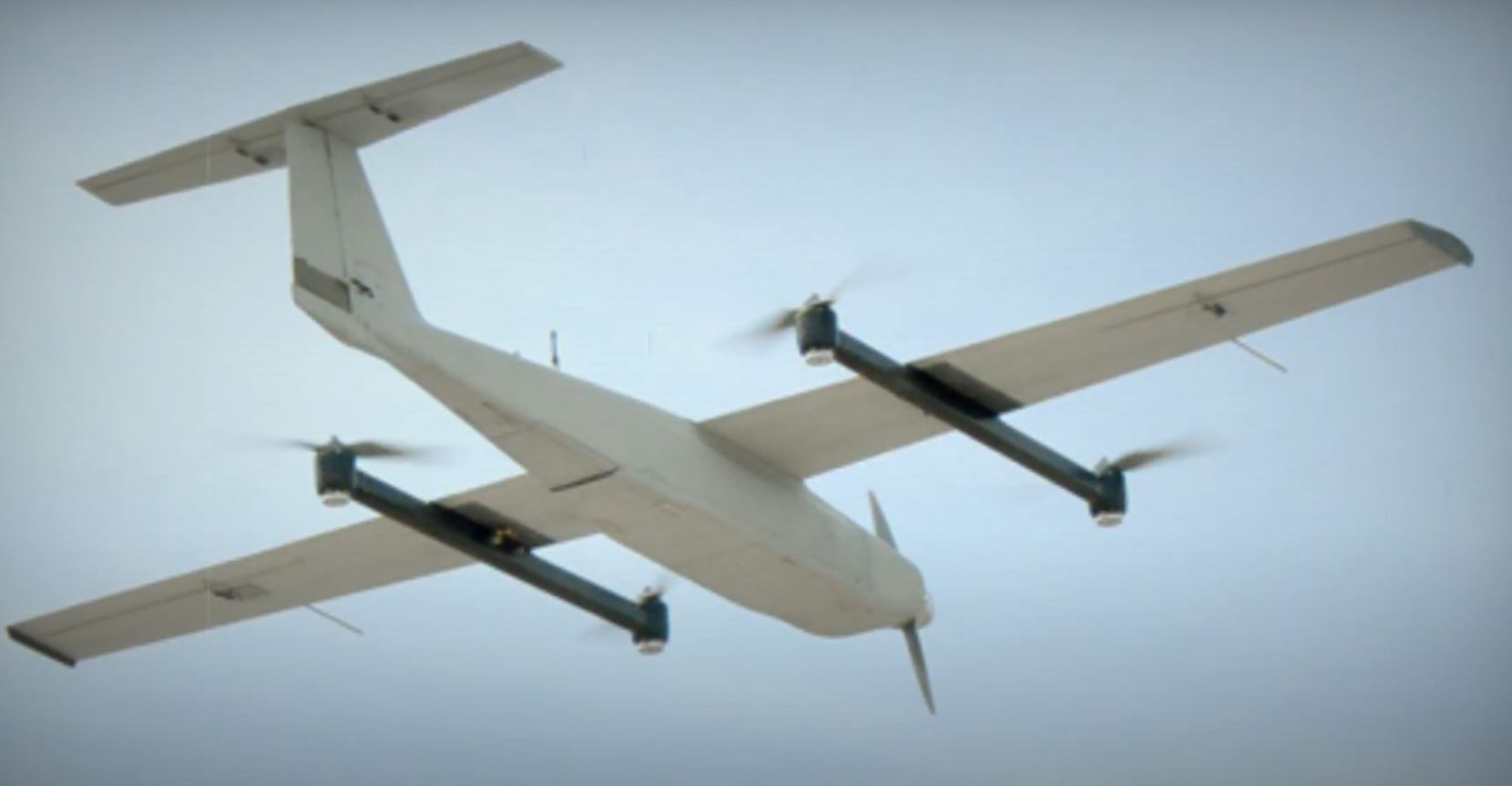
6. New Challenges: Fibre-Optic Drones and Shotguns
Russia has recently developed drones that are controlled by fibre-optic lines, which are immune to electronic jamming. These high-tech drones present a new challenge for defence forces, requiring additional countermeasures.
- Shotguns have emerged as a solution, especially for close-range interception. Ukrainian forces have been training soldiers to use shotguns to neutralize drones at very short distances. While not ideal for long-range defence, shotguns are effective against these new threats.
Conclusion: A Multi-Layered Defence Strategy
The growing threat of Russian drone warfare has highlighted the importance of a multi-layered defence strategy. According to Kankkio, a successful defence system will need to incorporate a combination of countermeasures for different types of drones and tactical situations.
- Cost-Effective Countermeasures: Machine guns and signal jamming appear to be the most economical methods, offering solid protection for smaller or slower drones.
- Flexibility and Scalability: While fighter jets and anti-aircraft missiles provide long-range and powerful options, they are expensive and should be used strategically for high-value targets.
- The Future of Air Defence: The development of anti-drone technologies, including drones, jamming systems, and even laser weapons, will be essential as Russia continues to innovate and adapt.
Ultimately, it’s clear that no single countermeasure will suffice. A combination of cheaper and more advanced technologies is the key to effectively tackling the rapidly evolving drone threat.
In conclusion, Europe’s future air defence will need to evolve rapidly to counter the growing menace of drone warfare. Experts agree: the most effective solution lies in developing a diverse, cost-effective, and adaptive defence system.