
In 2024, Norway witnessed a sharp rise in drone-related incidents at its airports, with 503 cases reported where drones either flew over or near critical aviation zones. This marks a significant increase from previous years, drawing concerns from both aviation authorities and the general public about the growing risks drones pose to air traffic safety.
A Growing Threat to Airport Safety
Norwegian authorities have long maintained stringent regulations regarding drone flights near airports, recognizing the potential dangers drones can present to both aircraft and ground operations. In 2024, however, the number of drone incidents escalated dramatically. While the year isn’t over yet, the 503 incidents already reported far surpass those of previous years, raising alarm bells for both national and international aviation bodies.
The surge in drone activity around airports has prompted increased efforts from the Norwegian Civil Aviation Authority (NCAA) and other regulatory bodies to strengthen surveillance and enforcement measures. Drones are prohibited from operating within a five-kilometre radius of most airports without special authorization, but the rise in incidents shows that enforcement is struggling to keep pace with technological advancements in drone capabilities.
The Impact on Airport Operations
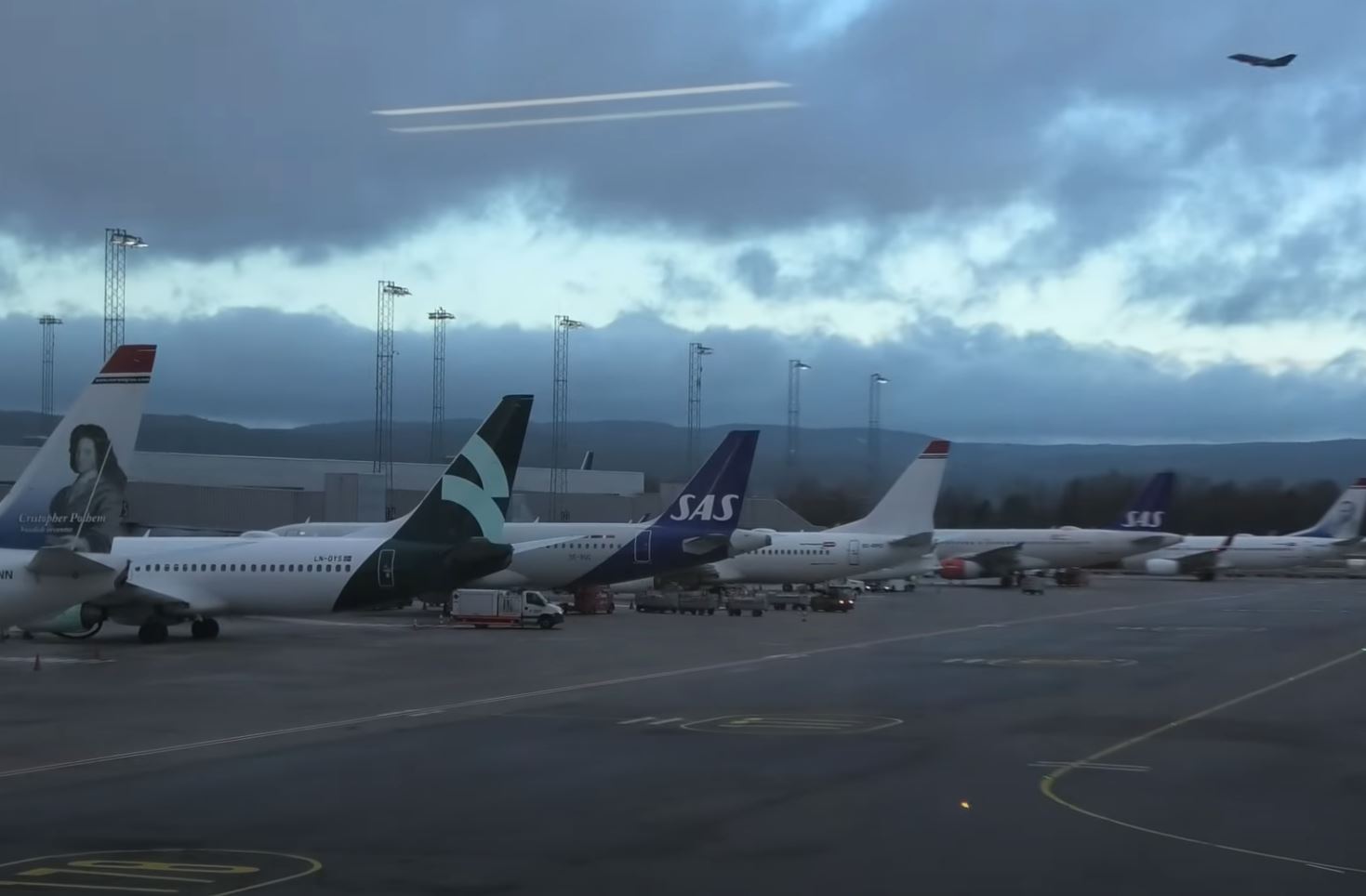
Airport operations in Norway, especially at major hubs like Oslo Gardermoen and Bergen Flesland, have been disrupted multiple times due to drone activity. In many cases, flights had to be temporarily halted or diverted, causing significant delays for passengers and creating logistical nightmares for air traffic control.
One of the most notable incidents occurred in July 2024 at Oslo Gardermoen, where a drone was spotted within restricted airspace. The airport was forced to ground several flights as a precautionary measure, leading to hours of delays. Similar incidents have occurred at airports across the country, including in Bergen, Stavanger, and Trondheim, all highlighting the vulnerability of air traffic to unauthorized drone activity.
The Technology Behind the Surge
The rise in drone incidents is partly attributed to advancements in drone technology. Consumer drones have become more affordable, accessible, and capable of flying long distances, making it easier for hobbyists and rogue operators to inadvertently or intentionally encroach upon controlled airspace. Additionally, the miniaturization of drone components has made it easier for devices to avoid detection by radar systems.
“Drones are becoming increasingly sophisticated and harder to track,” said Lars Haugstad, a spokesperson for the NCAA. “This makes it more difficult for authorities to prevent unauthorized flights in sensitive airspace. We’re working on developing better systems for detection and mitigation, but the technology is racing ahead of the regulations.”
Drone Safety and Countermeasures
The Norwegian government and aviation authorities are stepping up efforts to address the growing threat. In addition to stronger enforcement of existing laws, which can result in hefty fines and criminal charges for operators who violate drone regulations, new technological solutions are being explored to mitigate the risks.
One solution being actively tested is the use of “drone-jamming” technology, which can block the communication between drones and their operators, causing them to land safely or return to their point of origin. The NCAA has also been working with various airports to implement drone detection systems capable of spotting unauthorized drones in real-time.
Industry Response and Collaboration
The surge in drone incidents has prompted an outpouring of support for enhanced safety measures from the airline industry. Airlines, airport operators, and drone manufacturers are now collaborating more closely to address the issue.
“Ensuring the safety of passengers and aircraft is our number one priority,” said Ingrid Johansen, CEO of Norwegian Air. “We are in talks with the government and regulators to ensure that drone-related incidents do not continue to disrupt our operations and compromise air safety.”
One promising development is the push for more robust geo-fencing, a technology that restricts drones from entering certain airspace. While geo-fencing is already available in some models, its reliability and effectiveness are still being tested in real-world scenarios.
The Road Ahead: Balancing Innovation with Safety
While the growth of drone technology offers exciting possibilities in areas like delivery services, aerial photography, and infrastructure inspection, it also presents a growing risk to air safety. As Norway faces a sharp rise in drone incidents at its airports, it’s clear that a collaborative effort will be needed to address the challenges posed by this rapidly evolving technology.
“The solution isn’t simply about banning drones or punishing operators,” Haugstad concluded. “It’s about developing smarter regulations, better detection systems, and a greater public awareness of the dangers drones can pose in airspace. Only then can we ensure the skies remain safe for all.”
With the Norwegian aviation industry already under pressure due to increasing traffic and unpredictable weather patterns, the drone surge represents an additional hurdle to overcome. Yet, with enhanced regulation, innovative countermeasures, and closer collaboration between stakeholders, Norway is positioning itself as a leader in the effort to safeguard the skies from drone-related disruptions.
To conclude, the surge in drone-related incidents at Norwegian airports in 2024 has highlighted critical vulnerabilities in the country’s aviation infrastructure. The 503 reported incidents, a dramatic rise compared to previous years, serve as a stark reminder of the evolving challenges faced by air traffic authorities as drones become more ubiquitous. As authorities, airport operators, and the drone industry continue to work together, it remains to be seen whether these efforts will be enough to mitigate the risks posed by drone activity in controlled airspace.