
In a pivotal move that could reshape Sweden’s prison system, the Social Democrats have announced their support for the Tidö parties’ controversial proposal to rent prison spaces abroad, particularly in Estonia. This decision, which was initially met with resistance, is seen as crucial for the success of the plan to alleviate overcrowding in Sweden’s prisons.
Previously, the Social Democrats hesitated to back the proposal, citing concerns about moving Swedish authority and job opportunities overseas. However, following intense negotiations and mounting pressure, the party has now reversed its position, signalling a significant shift in the national approach to prison management.
The government’s plan to rent up to 600 prison places at a facility in Tartu, Estonia, starting next summer, aims to ease the strain on Sweden’s Prison and Probation Service, which has been struggling with a severe lack of space. This arrangement, originally outlined in the Tidö Agreement, now has the backing of the Social Democrats, making it more likely to become a reality.
A vote on the agreement is expected in the Swedish Riksdag this spring, and for the proposal to pass, a qualified majority is required. This means that at least three-quarters of the voting members must approve the plan, with the Social Democrats’ votes proving critical to achieving the necessary support.
The Centre Party, which had initially opposed the plan, has since changed its stance and announced it will vote in favour, citing the urgent need to address the overcrowding issue in Swedish prisons. Centre Party leader Anna-Karin Hatt emphasized that the party’s decision was driven by the current “acute situation” in Swedish prisons and the necessity to consider all available solutions, including renting foreign prison spaces as a temporary measure.
Despite the growing political support for the plan, it has faced significant criticism, particularly from trade unions. Seko, Sweden’s union for workers in the public sector, and Akademikerförbundet SSR, representing social scientists, have both expressed concerns that the plan could pave the way for the privatization of Sweden’s correctional services.
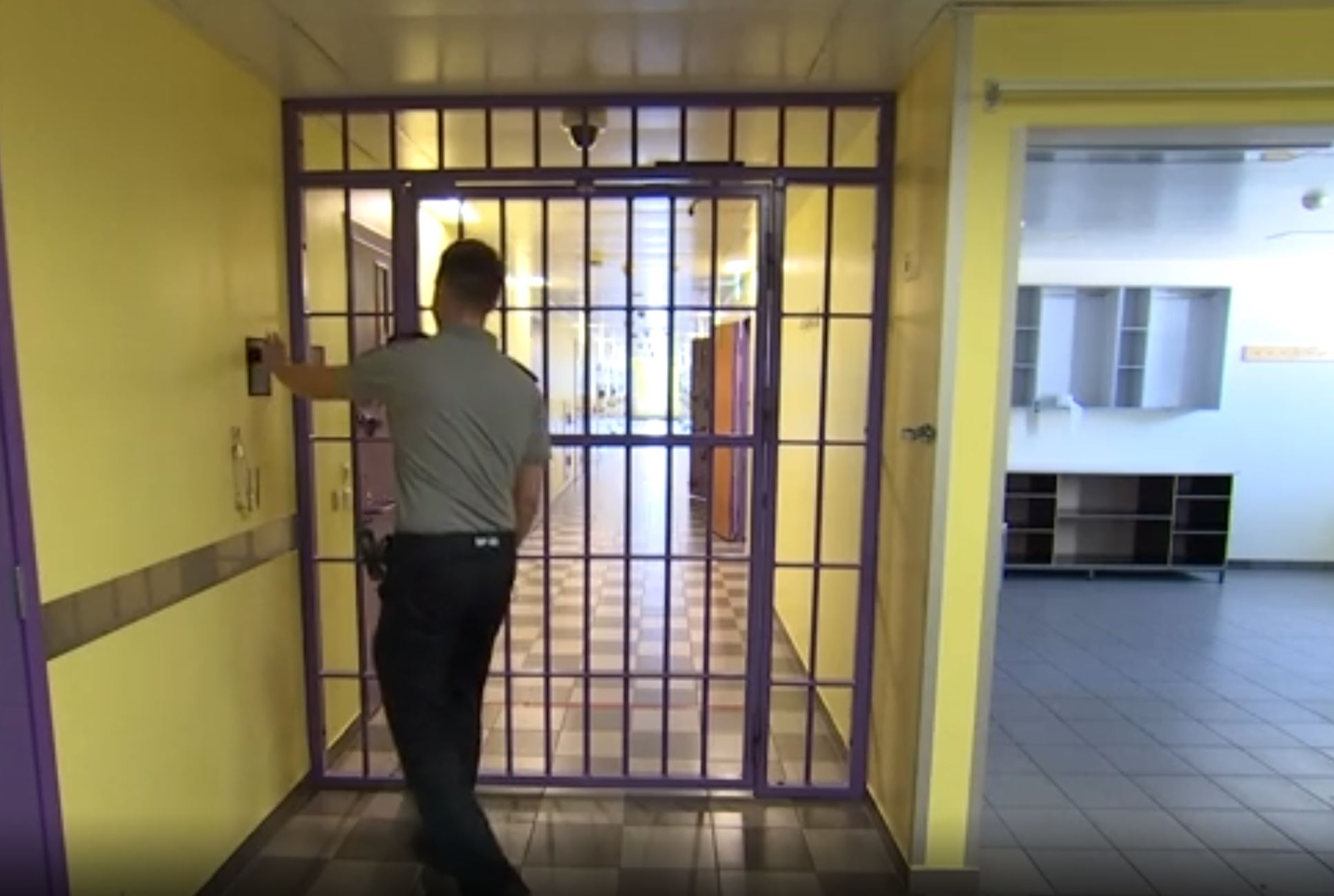
Gabriella Lavecchia, chairman of Seko, criticized the Social Democrats for supporting the proposal, warning that it may represent the first step towards the privatization of Sweden’s correctional treatment system. Similarly, Fredrik Hjulström from Akademikerförbundet SSR expressed disappointment, arguing that the move could undermine the integrity of Swedish law enforcement and rehabilitation efforts.
One of the primary concerns raised by the unions is the potential loss of Swedish control over correctional services once inmates are transferred abroad. Heike Erkers, chairperson of Akademikerförbundet, voiced worries about the impact this could have on legal certainty, inmate rehabilitation, and the working conditions for Swedish staff.
Seko’s Lavecchia also stressed that outsourcing or relocating Swedish state services abroad poses risks that should not be taken lightly. She emphasized that the Prison and Probation Service is a critical state function that should remain under Swedish control.
While the unions continue to express their dissatisfaction, the growing political momentum for the proposal suggests that the plan may soon move forward. If approved, the agreement with Estonia will mark a significant step in Sweden’s efforts to address its prison space shortage, with potential long-term implications for the country’s correctional services.
With the vote scheduled for the spring, all eyes will be on the Riksdag, where the final outcome will likely depend on whether the Social Democrats and other political forces continue to support the plan or yield to the concerns raised by labour unions.