
Sweden has announced an additional SEK 420 million in humanitarian support for Gaza, bringing its 2025 commitments to SEK 750 million. The decision highlights not only the severity of the crisis but also the distinct approaches Nordic governments are taking to aid and diplomacy in the region.
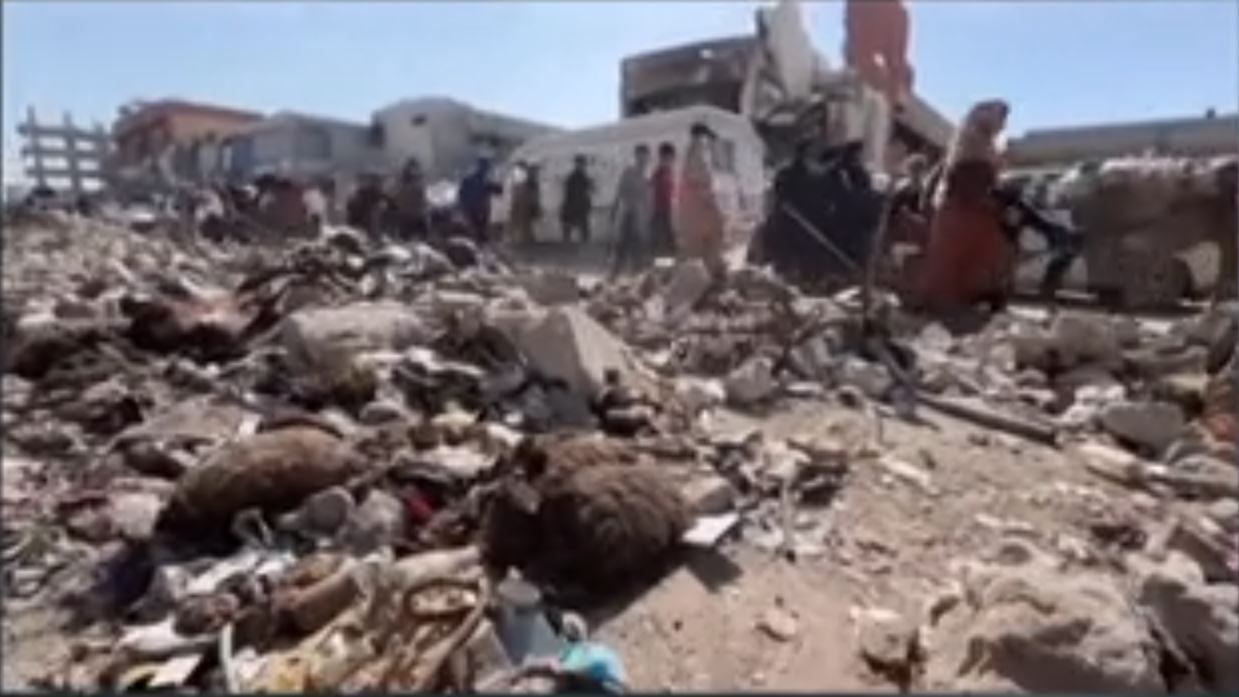
“The humanitarian situation in Gaza is beyond words. Famine has been formally declared in parts of the territory, and acute malnutrition among children is rising at an alarming pace,” said Sweden’s Minister for Development Assistance and Foreign Trade Benjamin Dousa.
The new funding will be distributed through multilateral channels: SEK 160 million each to UNICEF and the World Food Programme, SEK 80 million to the UN Population Fund, and SEK 20 million to the International Committee of the Red Cross. The government has moved away from UNRWA after criticism of the agency’s alleged links to Hamas, aligning instead with organizations considered less politically exposed.
Different Calculations Across the Nordics
While Sweden has concentrated on large-scale, rapid disbursement, its Nordic neighbours are pursuing more cautious or diversified strategies.
- Norway continues to back UNRWA as a central partner, despite Israeli criticism, arguing that the agency remains indispensable for Palestinian civilians. Oslo has paired humanitarian aid with active diplomacy, hosting ceasefire talks and leveraging its reputation as a neutral broker.
- Denmark has increased humanitarian contributions but with a stronger emphasis on accountability and monitoring, reflecting domestic debates over transparency in development spending.
- Finland, facing tighter fiscal constraints, has kept its Gaza allocations modest and largely coordinated through EU mechanisms, prioritizing alignment with Brussels over unilateral moves.
This divergence illustrates a broader shift: once a largely unified Nordic aid profile is now fragmenting as governments weigh humanitarian urgency against political risk and budgetary pressures.
Why It Matters for Business and Diplomacy
For Sweden, moving quickly with large-scale funding reinforces its role as a humanitarian heavyweight, but it also exposes the government to domestic political pushback. For Norway, prioritizing mediation keeps its diplomatic brand strong. Denmark and Finland are signalling fiscal prudence, even at the cost of visibility.
The differences have consequences beyond aid policy. Nordic unity has long been a soft-power asset in global forums, underpinning trade, security cooperation, and diplomatic influence. If these divergent strategies deepen, the region’s ability to act as a cohesive bloc on humanitarian and foreign policy could weaken—an outcome businesses and investors will watch closely, as it shapes the Nordics’ credibility in international negotiations.
Bottom Line
Sweden’s SEK 420 million package is a statement of urgency and intent. But in the broader Nordic context, it also marks a departure from the once-common approach to aid. The region’s donors are no longer moving in lockstep, and that fragmentation could matter as much for future trade and diplomacy as it does for humanitarian relief today.