
By: Nordic Business Journal Staff Writer
Sweden has confirmed the acquisition of four Embraer C-390 Millennium tactical transport aircraft, marking a major modernization step for the Swedish Armed Forces. But the deal has sparked debate over whether strategic defence needs—or trade diplomacy—drove the decision.
The Swedish government will formally sign the multi-billion SEK purchase agreement on Monday, with delivery of the new aircraft expected within 2–3 years. The Embraer C-390s will replace the ageing Lockheed C-130 Hercules, which has served as the backbone of Sweden’s tactical airlift capability for decades.
“We are acquiring one of the world’s most modern and capable transport aircraft,” said Defence Minister Pål Jonson (Moderate Party).
“This is a significant upgrade in terms of digital capabilities, speed, and payload.”
Strategic Procurement or Diplomatic Barter?
While the C-390 has been praised for its performance, the decision to buy Brazilian-built aircraft has prompted scrutiny and allegations of geopolitical manoeuvring. Critics suggest the deal may be part of a larger trade alignment, potentially smoothing the path for a follow-on Gripen fighter jet purchase by Brazil.
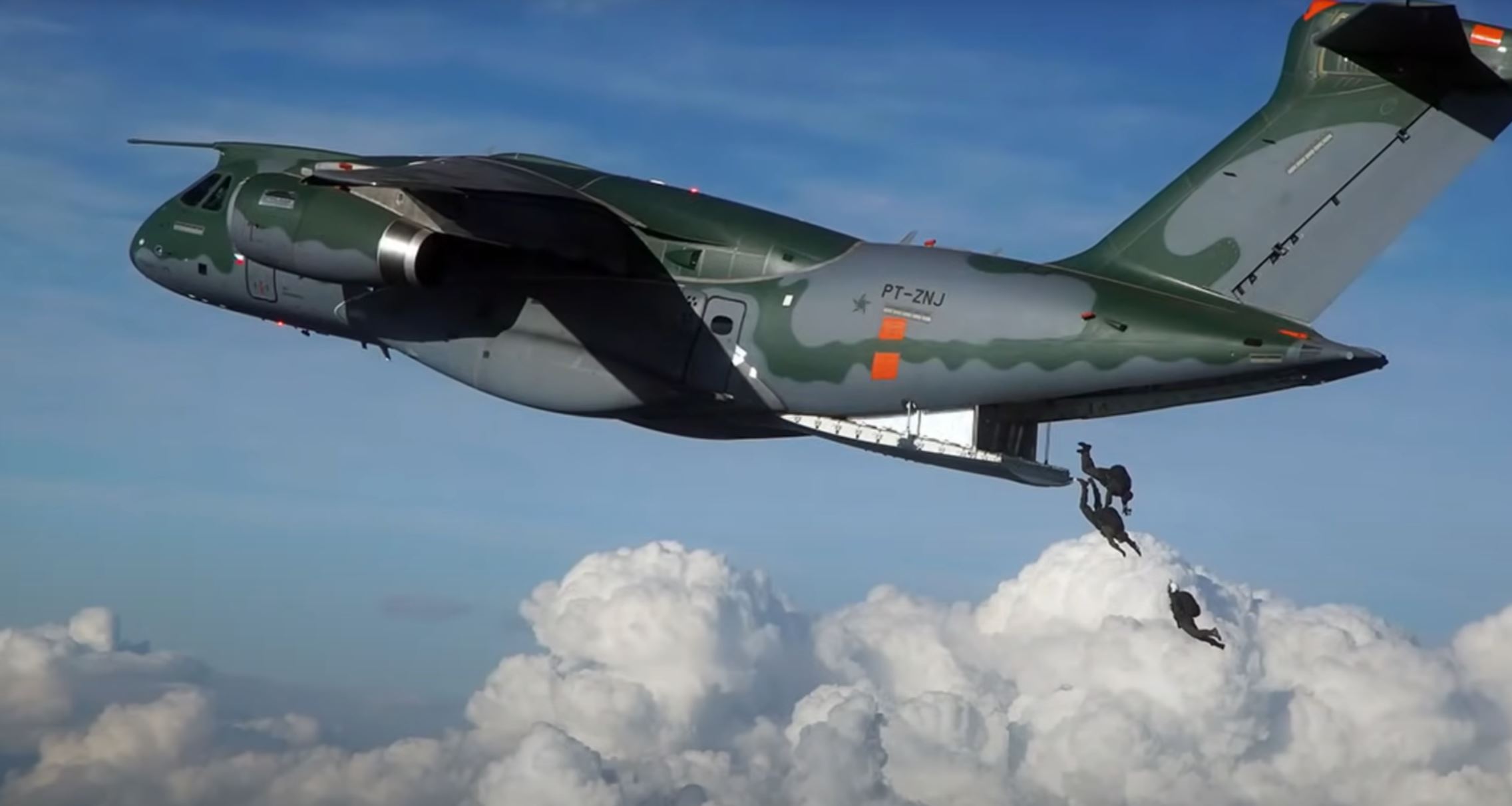
Brazil previously ordered 36 Saab Gripen fighters in 2015, a historic defence contract valued at nearly SEK 40 billion. Observers note that deepening industrial ties—such as Sweden now purchasing from Brazil’s Embraer—could reinforce bilateral defence cooperation and encourage Brazil to expand its Gripen fleet.
“There is undeniably a connection,” said Martin Lundmark, defence analyst at the Swedish National Defence University.
“Sweden’s procurement of the C-390 could help create a favourable environment for a renewed Brazilian order of Gripens. That said, this does not automatically mean the C-390 isn’t the right aircraft for Sweden.”
Government Dismisses Claims of Political Motivation
Minister Jonson strongly rejected the idea that trade diplomacy played a role in the procurement.
“That is simply not true. The C-390 has gone through a rigorous evaluation process by FMV (Swedish Defence Materiel Administration) and the Armed Forces. It meets all operational requirements,” he said.
“This is a highly capable, modern platform, and we are seeing more and more nations choosing it.”
Global Interest in the C-390
Although the C-390 is relatively new to the market, the aircraft has begun gaining traction among NATO and allied nations. Portugal, Hungary, and the Netherlands are among the countries that have already committed to the platform.
Squadron Leader Miguel Pousa of the Portuguese Air Force shared operational insights from their fleet.
“This plane is something entirely different from the C-130,” he said.
“We’ve been able to transport helicopters, HIMARS artillery, and combat vehicles efficiently. Missions that once took two days and two Hercules aircraft now take just one day with one C-390.”
A Strategic Shift for Swedish Airlift
The acquisition of the C-390 represents more than a fleet update—it reflects Sweden’s growing interest in interoperability with allied nations and faster, more flexible deployment capabilities.
With NATO membership solidifying and regional defence needs evolving, Sweden’s investment in modern airlift capacity signals a long-term shift toward a more agile and digitally capable military force.
Whether or not the Embraer deal serves broader diplomatic interests, it marks a significant milestone in Sweden’s defence modernization journey.