
Denmark’s decision to deploy a newly purchased fixed-wing drone for border patrol along the Danish-German border is driven by heightened concerns over cross-border crime, hybrid threats, and recent drone-related disruptions that exposed vulnerabilities in Danish and regional critical infrastructure. This move positions South and South Jutland Police as pioneers in integrating advanced airborne surveillance for both law enforcement and security purposes.
Drivers Behind Danish Action
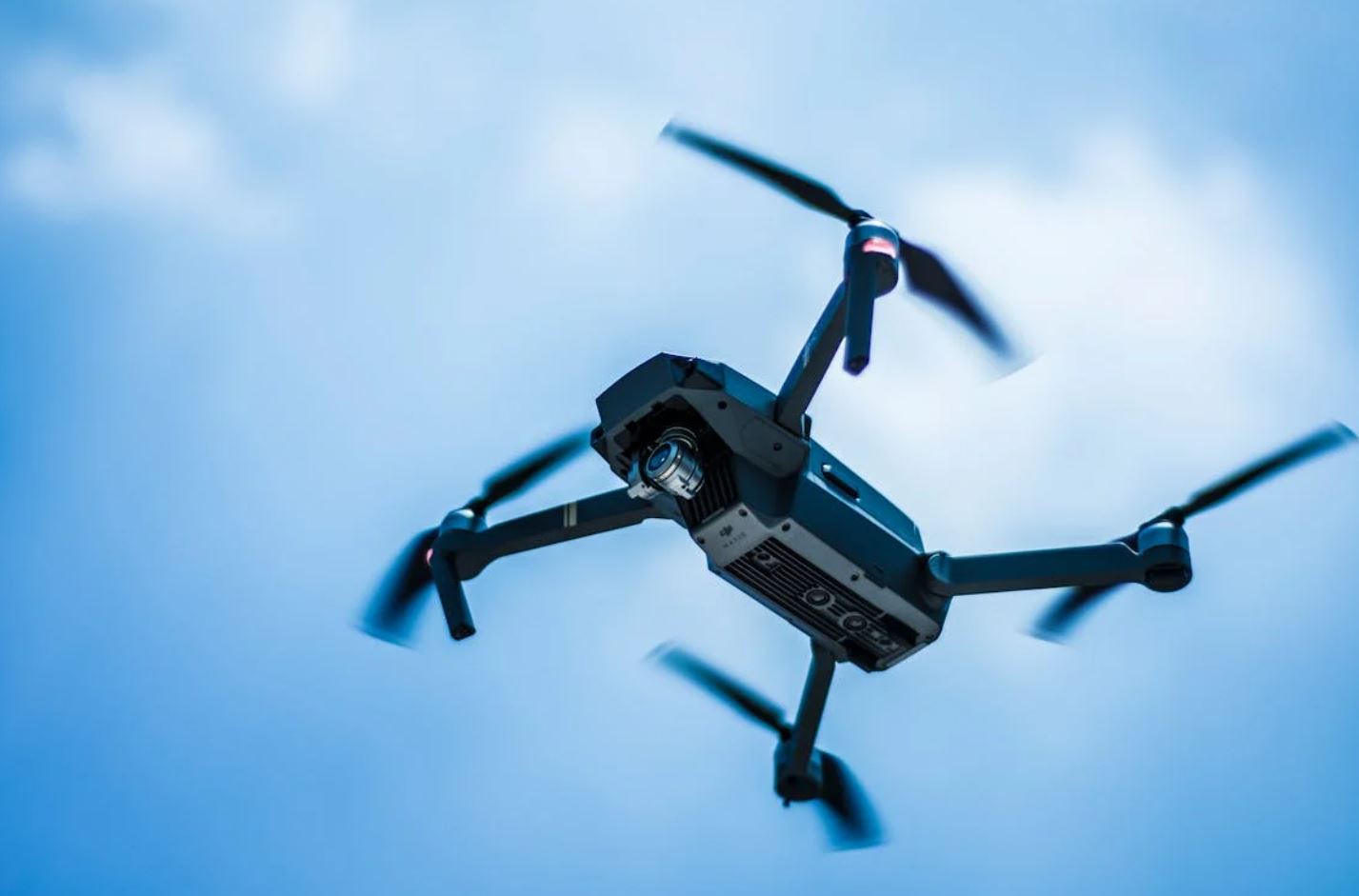
Recent months have seen a dramatic rise in mysterious drone flights over Danish airports, military sites, and infrastructure, some coinciding with similar incidents in Germany and other neighbouring countries. Danish officials have become increasingly alarmed by the security risks posed by these unauthorized drones, which can serve as tools for espionage, sabotage, and hybrid warfare—most notably attributed to Russian state actors, although no direct evidence has yet surfaced. These events have compelled Denmark to rapidly modernize its surveillance and response capabilities, with the police stating that drones provide a rapid, aerial view previously unavailable for monitoring cross-border criminal activity.
Political and Strategic Context
The uptick in drone intrusions comes at a sensitive time for Denmark, which currently holds the rotating presidency of the EU Council and hosts critical European summits. These gatherings have focused on strengthening EU defence and border security, partly in response to Russian aggression and hybrid operations. Drones have been used to disrupt air traffic and test readiness across the region, prompting Denmark to coordinate closely with EU allies and neighbouring states, including Germany, on security response.
Is There an Agreement With Germany?
There is no explicit public agreement specifically concerning joint drone patrols between Denmark and Germany. However, both countries have heightened information sharing and parallel investigations into cross-border drone activity, and German authorities have launched dedicated drone defence units while Denmark rapidly upgrades its own surveillance infrastructure. Collaboration is evident at the operational level, especially given recurring drone incidents near the border and mutual concerns over criminal and hostile activity spanning the region.
Key Motives
- Enhanced border security and rapid response to cross-border crime.
- Protection against hybrid threats, especially amid Russian-linked drone incidents.
- Political signalling during Denmark’s EU Council presidency, emphasizing security leadership.
- Increased European and NATO coordination in response to regional drone disruptions and airspace violations.
Deploying fixed-wing drones represents Denmark’s proactive approach to these multifaceted security challenges, reflecting both domestic strategic calculations and coordination with neighbouring EU states and Germany, though not via a formalized bilateral drone agreement.