
From February 2026, the Danish Armed Forces will begin an 11-month conscription programme in a new drone division within its Special Operations Command. It’s a signal: drones are no longer auxiliary tools, but central to national defence strategy.
What’s new
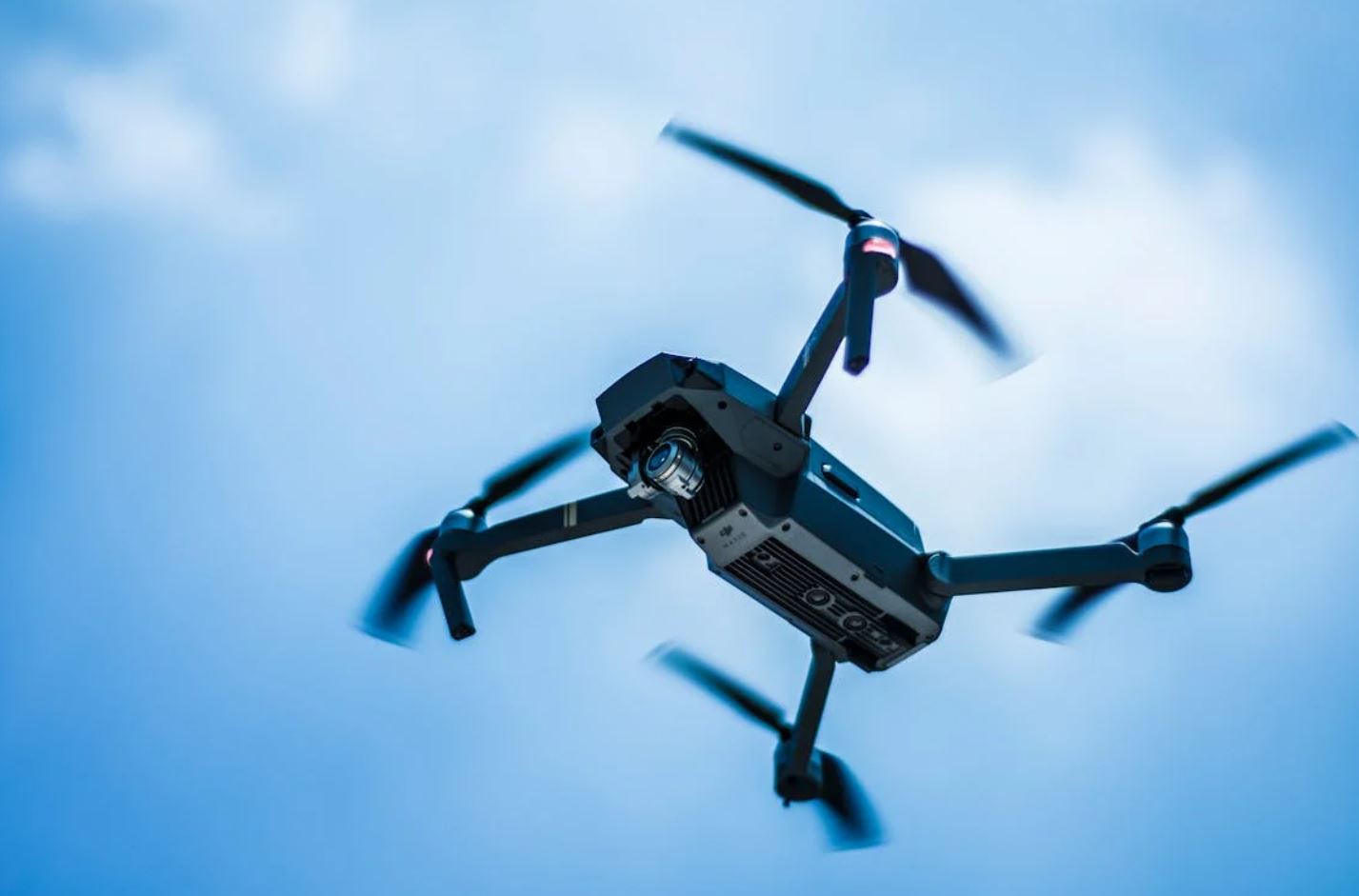
- The drone division will train conscripts to fly all types of military drones: older surveillance models and newer offensive / suicide drones Denmark has acquired, drawing directly from what’s unfolded in Ukraine.
- About 30 conscripts will start in February. The intention is to expand gradually to a full company (~100 soldiers).
- The first 3 months will be basic military training. After that, the recruits will learn drone operation, then move into tactical settings combining systems from the Army, Navy, and Air Force.
- This conscription is voluntary in the sense that those entering the advanced system opt in; existing conscripts (in the older four-month service) have been offered transfers.
Why this matters now
- Drone warfare is shaping the battlefield. As Denmark sees losses and vulnerabilities tied to unmanned aerial systems abroad, it’s moving to build domestic capacity.
- It’s about more than attack drones. Defence against drones is equally part of the plan. Every soldier will learn to use drones and counter them.
- Strategy is adapting: this is a pilot project. Denmark wants to test and refine before scaling up in August 2026 when the 11-month service becomes standard across more units.
Recent developments & broader context
To appreciate how urgent this shift is, here are recent events:
- In late September 2025, Denmark saw a wave of drone incursions near key military installations and airports (including Karup, one of its largest bases). Some civil airports were temporarily closed.
- These incidents were framed as ‘hybrid attacks,’ and triggered national concern over drone detection and countermeasures.
- NATO has increased its presence in the Baltic Sea region, deploying additional intelligence, surveillance, reconnaissance platforms, and at least one air-defence frigate, to deal with aerial threats.
- Denmark is also acquiring ground-based air defence systems to close gaps in protecting critical infrastructure. Some of these are expected to be operational by 2026.
What still needs clarity
- Exactly which drone models (brands, capabilities) will be used in the new division is not public.
- How the collaboration with Ukraine will manifest — whether instructors, shared exercises, or joint operations — is discussed but detail is thin.
- The full budgetary implications, the mix of civilian vs. military resources, and how these new conscripts will be integrated into Denmark’s overall force posture remain to be seen.
Bottom line
Denmark is responding to a changed threat landscape. Drone warfare isn’t just a headline; it’s a component of modern conflict that demands both operational and defensive capability. With the new drone conscripts, Denmark is aiming to shift from reacting to drone threats to anticipating and shaping them.
This step doesn’t come without risks — implementation, training, and equipment will be crucial — but it’s a necessary move if Denmark wants to keep up.
The Nordic Business Journal provides independent economic and business analysis across the Nordic region. For daily updates and in-depth reports, visit nordicbusinessjournal.com.