
COPENHAGEN — In a landmark move that could reshape EU-wide cosmetic regulations, Denmark’s Environmental Protection Agency (EPA) has formally classified Benzophenone-3 (BP-3)—commonly known as Oxybenzone—as an endocrine-disrupting chemical (EDC). The agency has submitted comprehensive scientific documentation to the European Commission, triggering the formal EU process to potentially ban or severely restrict its use in sunscreens and cosmetics.
This marks the first time any EU member state has formally documented and submitted evidence to classify BP-3 as an endocrine disruptor under the EU’s stringent REACH and Cosmetics Regulation frameworks. The move signals a potential turning point in the regulation of chemical UV filters across the bloc.
Scientific Basis: From Animal Studies to Regulatory Action
The Danish EPA’s conclusion is grounded in a rigorous, peer-reviewed assessment conducted in collaboration with the National Food Institute of Denmark (DTU Food) and the University of Southern Denmark. The analysis synthesized data from over 50 peer-reviewed studies demonstrating that BP-3 interferes with hormonal systems in mammals and aquatic organisms.
Key findings include:
- Reduced sperm count and motility in male rodents
- Altered oestrogen and testosterone levels in fish and mammals
- Disruptions in reproductive development, including delayed puberty and abnormal ovarian follicle development
- Transgenerational effects observed in rodent models, suggesting potential epigenetic impacts
Critically, the Danish EPA emphasized that its assessment focuses solely on the intrinsic hazard of BP-3—not on exposure levels or real-world risk. “This is not a risk assessment,” clarified Dr. Lykke Boysen Bjerre, Senior Toxicologist at the Danish EPA. “This is about identifying a substance with inherent endocrine-disrupting properties. Under EU law, once a substance is classified as an EDC, it triggers mandatory evaluation for restriction—even if exposure is low.”
Regulatory Pathway: What Happens Next?
The submission now enters the EU’s formal EDC identification process under Article 57(f) of REACH. The European Chemicals Agency (ECHA) will convene a scientific committee to review Denmark’s dossier. If endorsed, BP-3 will be added to the Candidate List of Substances of Very High Concern (SVHC), paving the way for eventual inclusion in Annex XIV of REACH—meaning it could be phased out unless granted specific authorization.
This process typically takes 12–24 months. However, given the robustness of Denmark’s evidence and growing political momentum around chemical safety in the EU, industry analysts expect accelerated action.
“Denmark has set a precedent,” said Dr. Anna Lindström, Senior Regulatory Analyst at Nordic Consumer Safety Institute. “Other member states, particularly Sweden and France, are closely watching. If the EU Commission accepts this classification, it will force major cosmetic brands to reformulate within two to three years—or face market exclusion.”
Market Impact: Consumer Behaviour and Industry Response
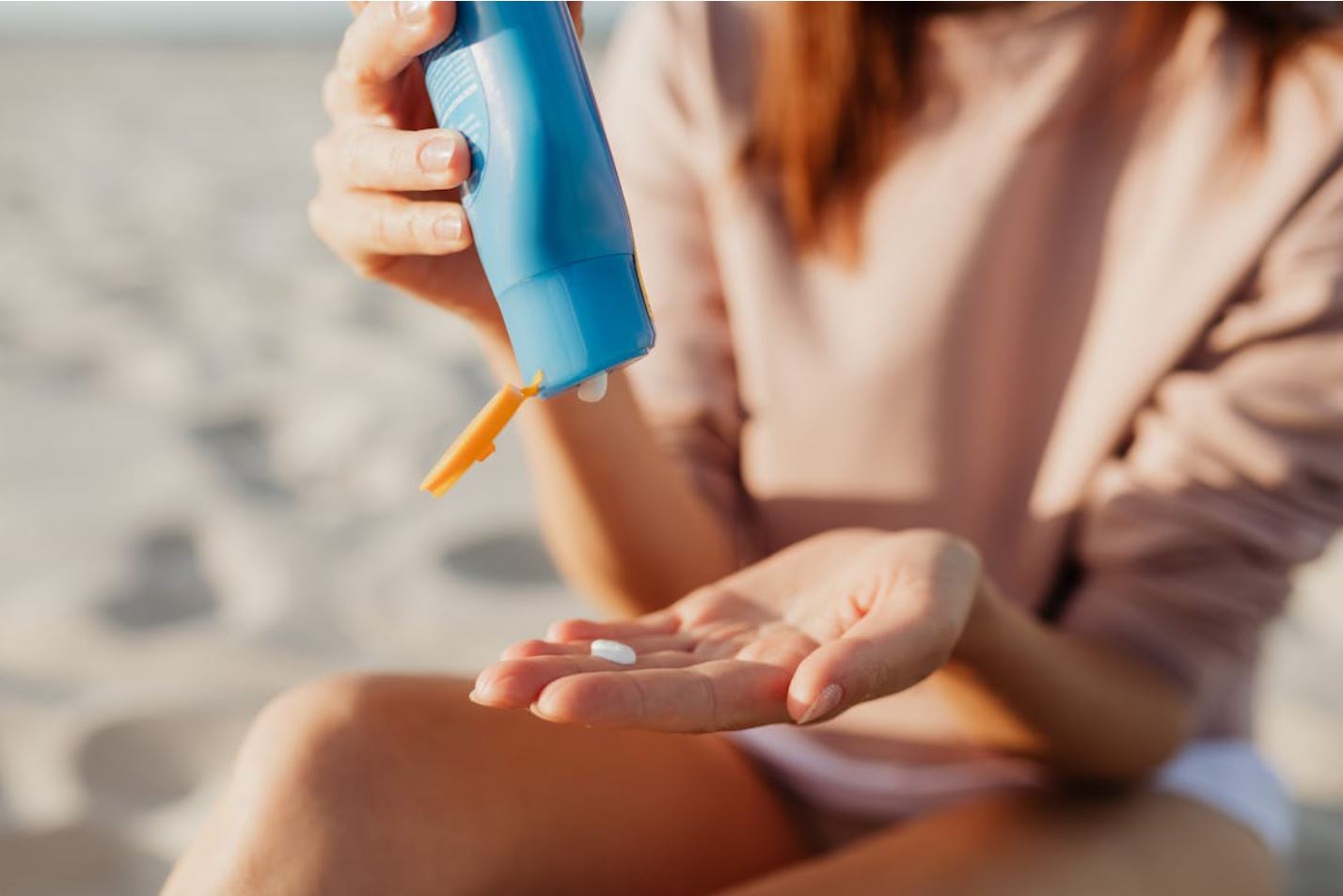
BP-3 is one of the most widely used UV filters globally, found in over 60% of SPF products sold in the EU, including popular brands across Denmark, Germany, and the Netherlands. While currently permitted under EU limits (up to 6% concentration in cosmetics), the classification could trigger:
- Voluntary reformulation by premium and natural beauty brands seeking to align with ESG standards
- Retailer bans, as major chains like Coop, IKEA, and Biltema already exclude EDCs from private-label products
- Legal exposure for manufacturers failing to disclose EDCs under the EU’s upcoming Green Claims Directive
The Danish EPA has urged consumers to avoid BP-3, particularly pregnant women and those planning pregnancy, due to evidence of foetal endocrine disruption during critical developmental windows. The substance can cross the placental barrier and has been detected in umbilical cord blood and amniotic fluid in multiple studies.
How to Avoid BP-3: Practical Consumer Guidance
Consumers seeking to avoid BP-3 should check product labels for the following names:
- Benzophenone-3 (BP-3)
- Oxybenzone
- 2-Hydroxy-4-methoxybenzophenone
Nordic Ecolabelled (Swan) products are guaranteed to be free of BP-3 and other endocrine disruptors—a trusted certification across Scandinavia and increasingly in the Baltics. The Danish Consumer Council’s “Kemiluppen” app (available in Danish, English, and Swedish) enables real-time scanning of product barcodes to identify EDCs.
Strategic Implications for Nordic Business
This development carries profound implications for Nordic businesses:
- Manufacturers of sunscreens and cosmetics must prepare for reformulation timelines. Alternatives such as zinc oxide, titanium dioxide, and newer filters like Bemotrizinol are gaining traction.
- Retailers can leverage Denmark’s lead to strengthen sustainability branding and consumer trust.
- Investors in chemical and personal care sectors should reassess exposure to BP-3-dependent supply chains.
- Exporters to the EU must now treat BP-3 as a regulatory red flag—not just a compliance issue, but a reputational one.
Conclusion: A Watershed Moment for EU Chemical Policy
Denmark’s action is not merely a national policy shift—it is a strategic intervention in the broader EU effort to eliminate endocrine disruptors from consumer products. With the EU’s Chemical Strategy for Sustainability aiming to ban 100+ EDCs by 2030, BP-3 is likely to be among the first high-profile targets.
For Nordic businesses, the message is clear: Proactive compliance is no longer optional—it’s a competitive advantage. Companies that anticipate and adapt to this regulatory tide will lead the next generation of safe, sustainable personal care products.
Editorial Note:
As of 2025, the EU has already restricted BP-3 in spray sunscreens for children under 3 (Commission Regulation (EU) 2023/1558). Denmark’s submission now seeks to extend restrictions to all consumer products. The European Commission is expected to respond to Denmark’s dossier by Q2 2026.