
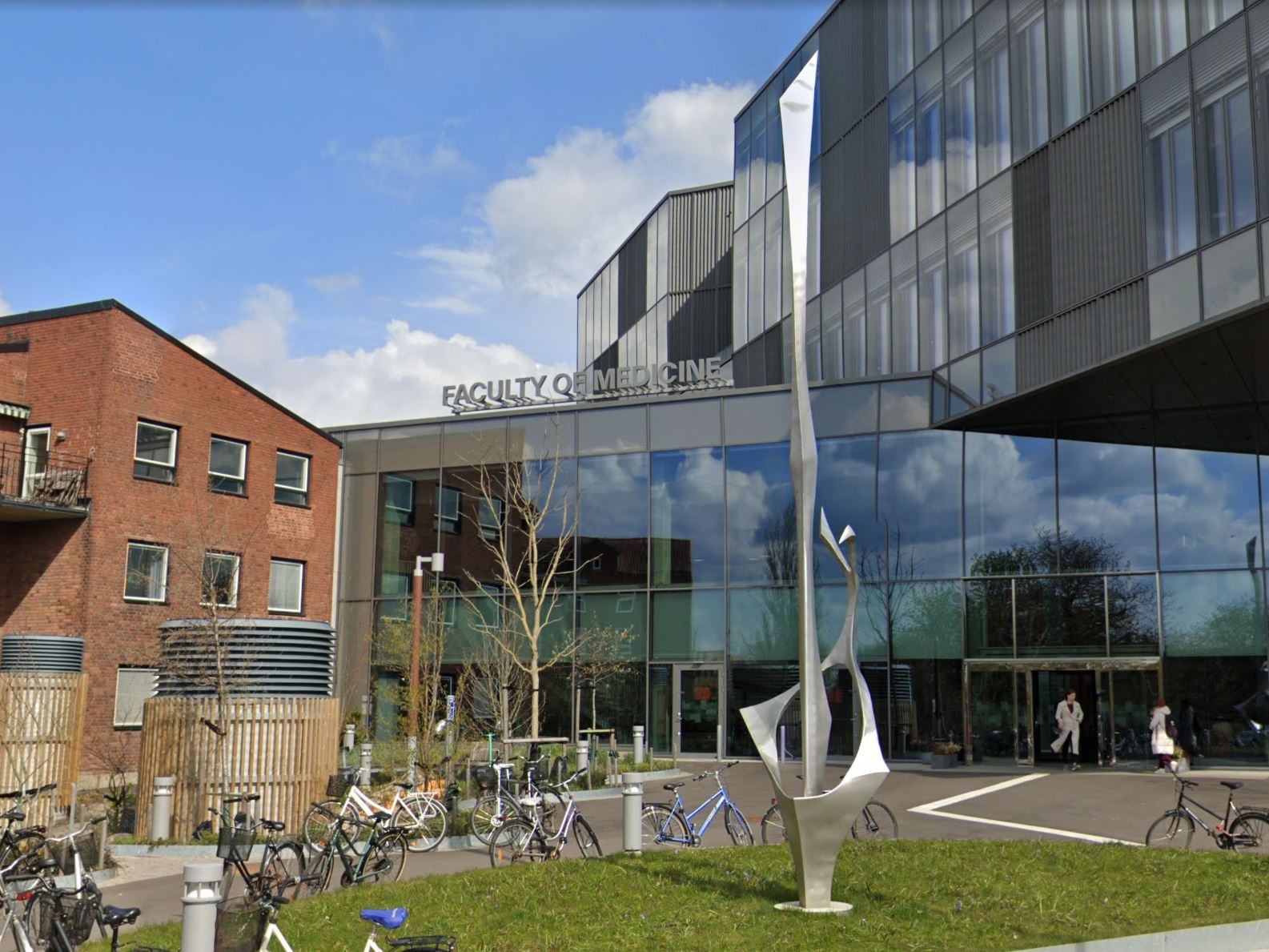
In a disturbing incident that has ignited national debate over ethics, diversity, and the future of medical professionalism in Sweden, medical students at Lund University submitted racially charged, dehumanizing responses during a mandatory ethics seminar last week. The comments — including the chilling directive “buy a ticket home” — were made anonymously via an online platform while students were asked to evaluate a fictional case involving a refugee woman who had survived torture.
The remarks, first reported by Sveriges Radio P4 Malmöhus, have been universally condemned by university leadership. Professor Anna Sjöberg, Vice Dean for Medical Education at Lund University’s Faculty of Medicine, issued a forceful statement: “These comments are not merely offensive — they are incompatible with the core values of medicine: compassion, equity, and human dignity. Anyone who holds such views has no place in our profession.”
A Systemic Failure in Ethical Training?
The incident occurred during a simulated patient ethics exercise — a standard component of the medical curriculum designed to foster empathy and critical reflection on cultural bias. Students were presented with a case study of a woman from a conflict zone, detailing her experiences of sexual violence and forced displacement. The anonymous digital feedback tool, intended to encourage candid discussion, was instead weaponized to express xenophobia under the guise of academic anonymity.
Lund University has confirmed it is conducting a formal disciplinary investigation under its Higher Education Act and Student Disciplinary Regulations. While no public details have yet been released regarding individual sanctions, the procedural framework is clear: cases are reviewed by an impartial Disciplinary Board, typically composed of faculty, student representatives, and external legal advisors. The accused students are entitled to present their defence, and outcomes — if guilt is established — may range from a formal warning to suspension for up to six months.
Given the gravity of the comments and their direct contradiction of Sweden’s national healthcare ethics code — which mandates non-discrimination and cultural competence — experts anticipate suspensions are likely. “This isn’t a case of poor judgment; it’s a failure of moral character,” said Dr. Henrik Lindström, Professor of Medical Ethics at Karolinska Institutet. “Doctors don’t get to opt out of humanity. If these students cannot recognize the humanity of a torture survivor, how can we trust them with the lives of real patients?”
Broader Context: Racism in Swedish Society and Higher Education
This incident is not an isolated anomaly. Sweden, despite its global reputation for progressive values, has seen a steady rise in institutional racism and anti-immigrant sentiment over the past decade. According to the 2024 Swedish Equality Ombudsman Report, reports of racial discrimination in educational settings increased by 47% since 2020, with medical and law schools reporting the highest rates of biased student behaviour.
The Lund case echoes similar scandals at Uppsala University (2022) and the University of Gothenburg (2023), where medical students made racist remarks in online forums or during clinical rotations. In each case, disciplinary action was taken — but rarely made public, fuelling perceptions of institutional cover-ups and inconsistent accountability.
What distinguishes Lund’s case is its direct linkage to medical training — a domain where bias can have life-or-death consequences. A 2023 study in The Lancet Regional Health – Europe found that medical students in Sweden who exhibited implicit racial bias were 3.2 times more likely to misdiagnose or delay care for patients of non-European descent.
International Student Confidence at Risk?
The incident raises urgent questions about Sweden’s attractiveness as a destination for international students — particularly those from the Global South.
“Sweden markets itself as a beacon of inclusivity,” said Fatima Ndiaye, a Senegalese medical student at Lund who chose Sweden over the UK and Canada for its tuition-free education. “But when you hear your peers say ‘go home’ to a woman who lost everything, it makes you question whether you’re truly welcome here — or just tolerated.”
While Sweden remains a top destination for international students in the Nordics — with over 65,000 non-EU students enrolled in 2024 — confidence is eroding. A recent survey by the Swedish Institute found that 68% of prospective African and Middle Eastern students now view Sweden as “less safe” or “less welcoming” than in 2021. The Lund case, amplified by global media, risks accelerating this trend.
Critically, the university’s silence on disciplinary outcomes is itself a liability. “Transparency isn’t just good practice — it’s a reputational imperative,” said Dr. Lena Eriksson, Dean of International Affairs at the University of Oslo. “When institutions hide disciplinary actions to avoid ‘bad press,’ they signal that ethics are negotiable. That’s the real scandal.”
What Must Change?
Lund University must move beyond condemnation to systemic reform:
- Mandatory, Ongoing Bias Training — Ethics modules must evolve from one-off lectures to immersive, longitudinal curricula with real-time feedback and accountability.
- Anonymous Tools with Oversight — Anonymous feedback platforms must be monitored for hate speech and flagged for review by ethics officers, not left unregulated.
- Public Accountability — Disciplinary outcomes, anonymized to protect privacy, should be disclosed to the student body and public to reinforce norms.
- International Student Advisory Councils — Empower international students to co-design inclusion policies, ensuring their voices shape institutional culture.
Conclusion: Medicine Must Be More Than Technical — It Must Be Moral
This is not merely a “student misconduct” story. It is a mirror held up to Sweden’s failure to live up to its own ideals. In a country that prides itself on human rights leadership, the normalisation of racist rhetoric in elite institutions threatens not only the integrity of medical education but the nation’s global standing.
Lund University has a responsibility — not just to punish, but to transform. The medical profession does not tolerate ignorance. It cannot tolerate complicity either.
As Professor Sjöberg rightly stated: “We don’t just train doctors. We shape who will hold the lives of our most vulnerable in their hands.”
If those hands are tainted by prejudice, then no amount of technical skill can redeem them.
Author’s Note:
This article was updated on November 11, 2025, to reflect the latest available data from the Swedish Equality Ombudsman and the Swedish Institute’s 2025 International Student Sentiment Survey. As of this date, Lund University has not issued a public statement on disciplinary outcomes, despite repeated requests from the Nordic Business Journal. We will continue to monitor developments.
About the Nordic Business Journal: The leading source for economic and business intelligence across the Nordic and Arctic regions, providing authoritative analysis on policy, investment, and sustainable development in the High North.