
Stockholm, Sweden — Prescription rates for testosterone replacement therapy (TRT) in Swedish men aged 20–39 have skyrocketed by more than 300% since 2006, according to data from the National Board of Health and Welfare (Socialstyrelsen). By 2024, about 5,000 young men are receiving prescribed testosterone. While this number might seem small in absolute terms, it marks a dramatic shift in medical practice, patient behaviour, and societal views on male health.
This surge aligns with a global trend, but Sweden’s situation is particularly noteworthy due to its strong public healthcare system — one designed to minimize overtreatment and ensure evidence-based prescriptions. Experts, however, caution that this rise may reflect a mix of legitimate medical need, digital misinformation, and gaps in regulatory oversight.
Legitimate Medical Need vs. Self-Diagnosis Culture
“There has been a genuine increase in the recognition of testosterone deficiency in young men,” explains Dr. Mikael Lehtihet, Senior Physician and Endocrinology Researcher at Karolinska Institutet. “We are now diagnosing men with real hypogonadism — those who have persistently low testosterone and symptoms like fatigue, muscle loss, depression, or sexual dysfunction — conditions that were often missed a decade ago.”
However, Dr. Lehtihet warns that heightened awareness has also led to a dangerous trend: self-diagnosis driven by unregulated online forums. Social media platforms like Reddit, bodybuilding communities, and TikTok are filled with advice on how to “hack” testosterone levels, often in order to qualify for a prescription.
“Men are being encouraged to reduce their sleep, drink excessive alcohol, or eat large amounts of licorice to artificially lower their testosterone levels — all to meet the diagnostic criteria for treatment,” says Dr. Lehtihet. “This isn’t just misguided — it’s harmful. It’s medical manipulation.”
The Risks of Unnecessary TRT
Testosterone therapy, while essential for men with diagnosed hypogonadism, carries significant risks when used incorrectly:
- Suppression of natural testosterone production, leading to long-term dependency
- Increased red blood cell count (erythrocytosis), raising the risk of stroke and blood clots
- Cardiovascular strain, particularly in sedentary or overweight individuals
- Psychological dependence and body dysmorphia, especially among those using it for performance enhancement
- Fertility issues, which can be irreversible without treatment
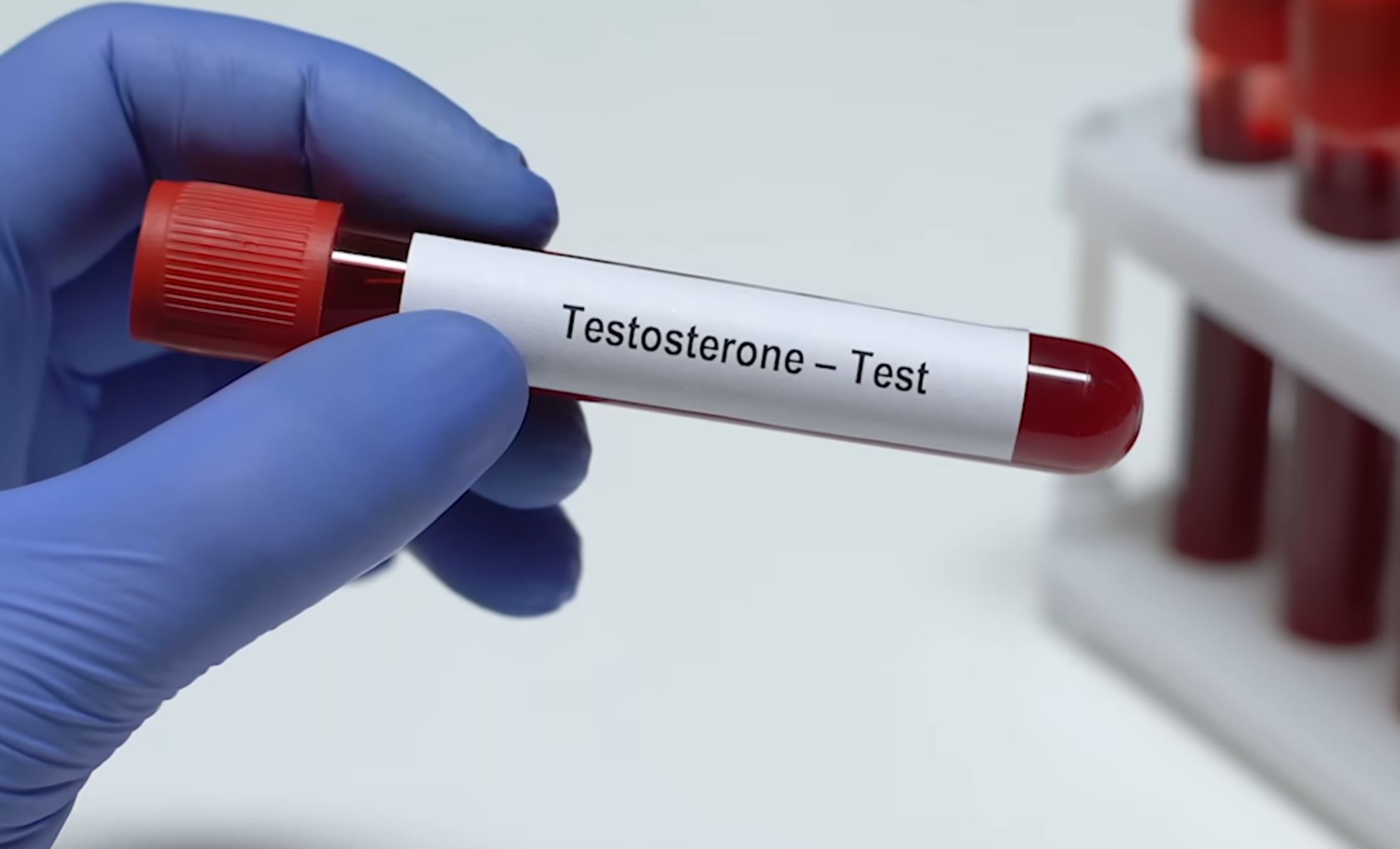
“Testosterone is not a ‘male vitality’ supplement,” says Dr. Jens Persson, endocrinologist at Stockholm County Council. “It’s a powerful hormone with widespread effects. Prescribing it without thorough clinical and biochemical assessment goes against the principles of evidence-based medicine.”
Sweden’s guidelines — in line with the European Society of Endocrinology — require:
- Two morning blood tests showing testosterone levels below 12 nmol/L
- At least two clinical symptoms
- Exclusion of reversible causes (such as obesity, sleep apnea, medications, or alcohol abuse)
- A minimum of three months of lifestyle changes (diet, exercise, sleep) before considering medication
However, adherence to these standards varies.
Regional Disparities: A Warning Sign
One concerning trend is the significant regional variation in TRT prescriptions across Sweden:
- Västernorrland County: +790% increase since 2006
- Stockholm County: +350%
- Kronoberg County: +180%
- Gotland County: +90%
“These differences cannot be explained by population demographics or disease prevalence alone,” says Dr. Lehtihet. “They suggest that some physicians may be more permissive in their approach, possibly influenced by patient demand or online anecdotal reports.”
To address these inconsistencies, the National Board of Health and Welfare is reviewing prescribing patterns and considering the implementation of mandatory electronic audit trails for TRT prescriptions — similar to those used for opioids and benzodiazepines.
The Black Market: A Growing Threat
At the same time, the black market for anabolic steroids, including prescription-grade testosterone, is expanding rapidly in Sweden.
According to Swedish Customs and the National Police Board:
- 16 million steroid doses were seized in the past two years — a 210% increase since 2021
- Six illegal labs were shut down, primarily in southern Sweden and the Malmö region
- 72% of seized steroids were mislabelled, unapproved, or contaminated, with some containing harmful substances like heavy metals or estrogenic compounds
“Men who can’t get a prescription are turning to the dark web or gym dealers,” says Inspector Anna Sjödin of the National Anti-Doping Unit. “These aren’t just performance-enhancing drugs; they’re unregulated and dangerous. We’ve seen cases of liver failure and psychosis linked to black-market testosterone.”
Expert Consensus: A Call for Action
A group of top endocrinologists, public health experts, and policy analysts agrees on the need for urgent action:
“Sweden is facing a critical moment. The rise in TRT prescriptions reflects progress in diagnosing true testosterone deficiencies, but it also reveals a breakdown in clinical standards due to digital misinformation.”
They recommend the following actions:
- National TRT Audit & Transparency Dashboard — A publicly accessible platform to track TRT prescribing rates by county, clinic, and doctor, to identify outliers and encourage standardization.
- Digital Literacy Campaign — A government initiative to educate young men and dispel “testosterone hacking” myths on social media through science-based information.
- Mandatory Pre-Screening Protocol — Require all TRT prescriptions to include a certified lifestyle intervention plan (including diet, sleep, and exercise), reviewed by a registered health coach.
- Enhanced Border Controls & Dark Web Monitoring — Increase funding to Customs to target steroid vendors and international suppliers on the dark web.
- Research Funding — Support urgent studies on the long-term effects of TRT in men under 40, particularly its impact on cardiovascular health and mental well-being.
A Cultural Shift: Masculinity, Media, and Medicine
This trend is also part of a broader cultural shift. In an era of influencer culture, biohacking, and hyper-masculine ideals, many young men see testosterone as a tool for self-optimization rather than a treatment for illness.
“Medicine must not only focus on guidelines but also on narrative,” says Dr. Lehtihet. “We need to redefine masculinity, not as something you inject, but as something you build through healthy habits, purpose, and connection.”
Conclusion: A Preventable Crisis
Sweden’s rising testosterone prescriptions are not just a medical trend but a symptom of larger systemic issues: digital misinformation, inconsistent medical practices, and a commercialized health culture that promotes male biology as something to be “enhanced.”
The solution isn’t to deny testosterone to those who truly need it. Instead, the focus should be on ensuring that TRT remains a carefully controlled treatment for those with diagnosed medical conditions, rather than a trend for the vulnerable or misinformed.
As Dr. Persson concludes:
“We must not turn away men who need help. But we also cannot allow misinformation to corrupt the system. The stakes are too high — for individual health, public trust, and the future of Swedish healthcare.”
Data Sources:
- National Board of Health and Welfare (Socialstyrelsen), 2024 Prescription Database
- Karolinska Institutet, Endocrinology Research Group
- Swedish Customs & National Police Board, Anabolic Steroid Seizure Reports (2023–2024)
- European Society of Endocrinology Clinical Practice Guidelines (2023 Update)