
A catastrophic bridge collapse at the Kalando cobalt mine in Lualaba Province, southeastern Democratic Republic of the Congo (DRC), has claimed the lives of at least 49 people, with dozens more injured and several still missing, according to updated figures from the Congolese Ministry of Mines. The incident—occurring on November 15, 2025—has intensified scrutiny over safety standards, governance, and the human cost embedded in the global transition to electric mobility.
A Preventable Tragedy
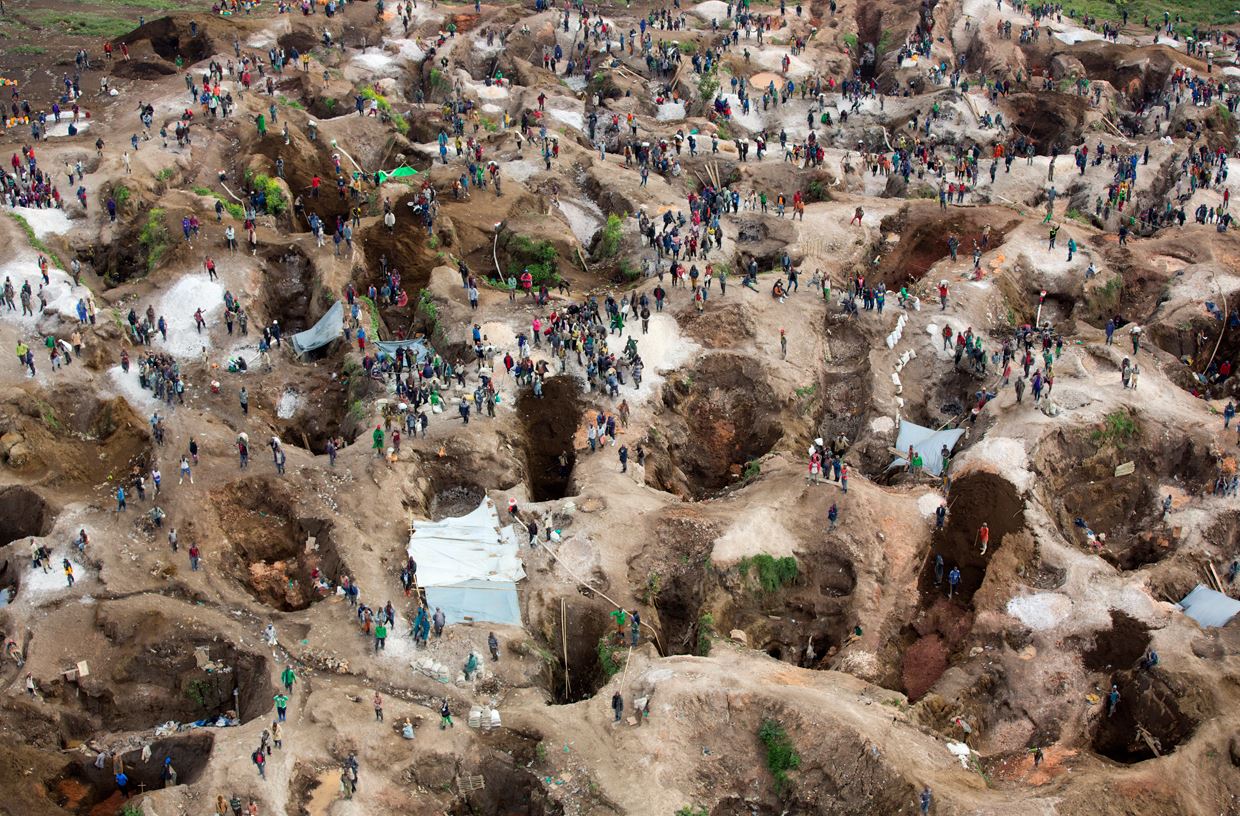
The disaster unfolded when a makeshift wooden footbridge, constructed by informal miners across a flooded security trench at the Kalando site, collapsed under the weight of an overcrowded crowd. Over 300 artisanal (“wildcat”) miners had illegally entered the concession despite an official ban imposed earlier that week due to rising flood risks following torrential rains.
Eyewitness accounts and provincial mining authorities report that panic erupted after gunfire was heard from military personnel deployed to secure the site, prompting a stampede onto the unstable structure. The bridge gave way, plunging scores of miners into the waterlogged trench below. Rescue operations, hampered by poor access and ongoing instability, continue as teams search for bodies buried beneath debris or submerged in mud.
While initial reports cited 32 fatalities, the national mining agency confirmed on November 17 that the death toll had risen to 49, with at least 15 others hospitalized and an unknown number unaccounted for. Local officials warn the final count may rise further.
Structural and Human Factors Behind the Collapse
Preliminary investigations point to a confluence of systemic failures:
– Overcrowding and structural inadequacy: The improvised bridge was not designed to support large groups. Forensic engineers suggest it could have held fewer than 20 people safely.
– Security response escalation: Gunfire from Congolese soldiers guarding the site appears to have triggered mass panic. Human rights organizations are calling for an independent review of the use of force.
– Environmental vulnerability: Heavy seasonal rains had already saturated the area, increasing landslide risks and rendering trenches impassable. Despite warnings, no formal evacuation or alternative access plan was implemented.
“This wasn’t just a structural failure—it was a governance failure,” said Dr. Jean-Luc Mwana, a mining safety expert at the University of Lubumbashi. “When you criminalize survival but fail to provide alternatives, tragedies like this become inevitable.”
The Kalando Mine and the Global Cobalt Economy
The Kalando mine lies in the heart of the Central African Copperbelt, a region responsible for over 70% of the world’s cobalt production—a critical mineral for lithium-ion batteries used in electric vehicles (EVs), consumer electronics, and renewable energy storage systems.
Despite its strategic importance, much of the DRC’s cobalt output flows through artisanal and small-scale mining (ASM) channels, where an estimated 200,000 informal workers operate without legal permits, protective gear, or basic labor protections. These miners often work in direct competition—or conflict—with industrial operators, many of whom are Chinese-owned or backed.
Chinese firms, including CMOC Group and Zhejiang Huayou Cobalt, control significant portions of industrial mining assets in the region through joint ventures with state-owned Gécamines. While these companies adhere to varying degrees of international ESG (Environmental, Social, and Governance) standards, their operations exist alongside—and sometimes intersect with—unregulated ASM activity, creating volatile ground for accidents and exploitation.
Notably, neither CMOC nor Huayou has publicly confirmed operational ties to the Kalando site. However, analysts stress that even indirect links raise concerns about supply chain accountability.
Regulatory Gaps and International Implications
In response to the disaster, the DRC government has suspended all artisanal mining activities in Lualaba Province pending a full audit. An inter-ministerial commission—including representatives from mining, defense, and interior ministries—has been tasked with investigating the sequence of events, particularly the conduct of security forces and the enforcement of exclusion zones.
Critics argue that such measures are reactive rather than preventive. For years, watchdogs like Amnesty International and Global Witness have documented how weak regulation, corruption, and lack of investment in community development perpetuate cycles of risk.
“The DRC supplies the minerals powering the green revolution, yet its people pay the highest price,” said Anna Söderberg, Senior Analyst at the Stockholm Environment Institute. “EU and U.S. automakers sourcing cobalt must take responsibility for downstream risks. Due diligence cannot stop at the refinery.”
Indeed, new regulations such as the EU Conflict Minerals Regulation (entering full enforcement in 2025) and the U.S. Uyghur Forced Labor Prevention Act’s extended scope now require companies to map and audit mineral supply chains. Yet enforcement remains inconsistent, especially when informal mining feeds into complex trading networks before reaching export points.
Toward Safer, More Equitable Mining Practices
The Kalando tragedy underscores urgent needs:
1. Formalization of Artisanal Mining: Establishing licensed ASM zones with safety protocols, training, and cooperative oversight could reduce illegal incursions into hazardous areas.
2. Community Engagement and Livelihood Alternatives: Economic desperation drives thousands into dangerous mines. Investment in education, vocational programs, and local infrastructure is essential.
3. Transparency in Security Contracts: Military deployment at mining sites must follow clear rules of engagement, monitored by civilian authorities and civil society.
4. Global Supply Chain Accountability: Automakers and tech giants must go beyond compliance—investing directly in traceability initiatives like blockchain tracking and third-party audits.
Conclusion: A Wake-Up Call for Ethical Resource Extraction
The loss of life at Kalando is not an isolated accident but a symptom of deeper structural flaws in how the world sources critical minerals. As demand for cobalt surges—projected to grow by 6% annually through 2030 according to the International Energy Agency—the pressure on DRC’s mining sector will only intensify.
This disaster should serve as a stark reminder: sustainability cannot be measured solely in carbon savings. True progress requires safeguarding human dignity, ensuring worker safety, and building resilient communities at the source of the supply chain.
For European businesses investing in Africa’s mineral wealth, the message is clear—ethical sourcing is no longer optional. It is a moral, legal, and economic imperative.
Reporting by Nordic Business Journal with inputs from Kinshasa, Brussels, and Stockholm. Additional data provided by the Intergovernmental Forum on Mining, Minerals, Metals and Sustainable Development (IGF).