
Stockholm, November 18, 2025 — In a decisive move to safeguard public health and global antibiotic efficacy, the Swedish government has formally adopted a comprehensive, 10-year National Strategy to Combat Antimicrobial Resistance (AMR), effective January 1, 2026. Spearheaded by Health Minister Jakob Forssmed (Christian Democrats), the strategy represents the most ambitious and scientifically grounded national response to AMR in Europe — and one of the most robust globally.
Antimicrobial resistance — the phenomenon in which bacteria, fungi, and other microbes evolve to withstand the drugs designed to kill them — is no longer a future threat. It is a present and accelerating crisis. The World Health Organization (WHO) classifies AMR as one of the top 10 global public health threats, with an estimated 1.27 million deaths directly attributable to resistant infections in 2019, and projections suggesting this could rise to 10 million annually by 2050 if left unchecked.
Sweden, long a global leader in prudent antibiotic use, is now raising the bar. The new strategy builds on the nation’s historic success: Sweden has maintained one of the lowest rates of antibiotic consumption in the EU for over two decades, thanks to its “Swedish Model” of surveillance, stewardship, and public education. The updated plan, developed in collaboration with the Public Health Agency of Sweden, the Swedish Medical Products Agency, and leading academic institutions, introduces five transformative pillars:
1. Stricter Prescribing Protocols: Antibiotic prescriptions in primary care will be further restricted through mandatory digital decision-support systems embedded in all electronic health records. These systems will flag inappropriate prescriptions in real time and require clinicians to justify non-guideline use. Hospital use will be subject to mandatory review by antimicrobial stewardship teams.
2. Agricultural Sector Reform: For the first time, the strategy imposes binding targets to reduce antibiotic use in livestock by 50% by 2035 — a 20% reduction by 2030. This includes a ban on the use of critically important antibiotics (WHO Category 1) for growth promotion and prophylaxis, and expanded monitoring of veterinary drug sales.
3. National Surveillance & Data Integration: A unified AMR surveillance platform will integrate human, animal, and environmental data — including wastewater monitoring — to enable real-time tracking of resistance patterns across sectors. This “One Health” approach, pioneered in Sweden, will be made publicly accessible via an open data portal.
4. Innovation Incentives: The government will launch a SEK 1.2 billion ($115 million) public-private partnership fund to accelerate development of novel antibiotics, rapid diagnostics, and alternative therapies (e.g., phage therapy, microbiome modulators). This includes guaranteed market entry for approved drugs with high public health value, addressing the broken pharmaceutical economics that have stalled innovation.
5. Public Awareness & Global Leadership: A nationwide public education campaign will target misconceptions about antibiotics, while Sweden will leverage its diplomatic influence to champion AMR action in the EU, WHO, and G7 forums — including advocating for binding international targets and equitable access to new treatments in low- and middle-income countries.
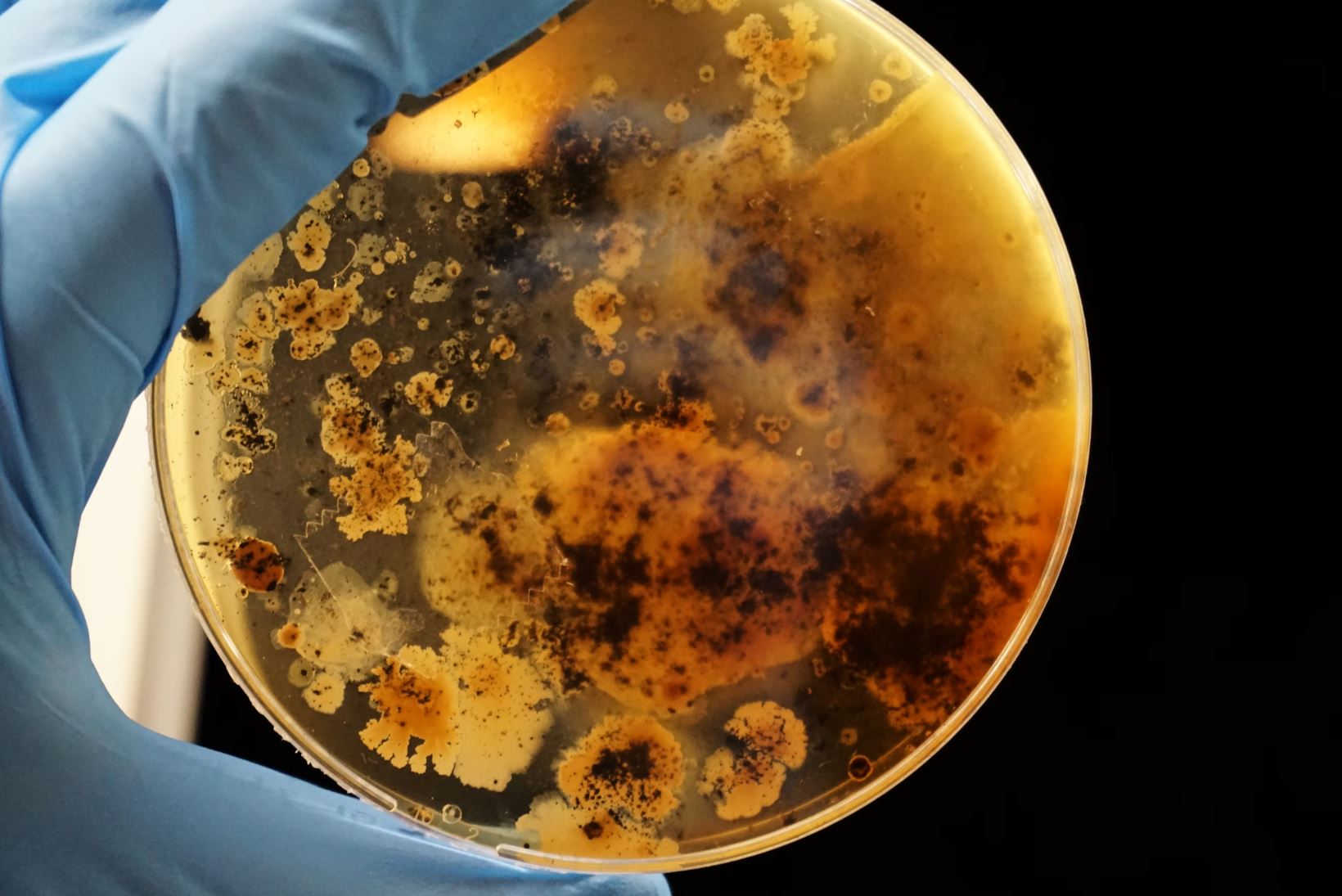
Why This Matters — Beyond Sweden
Sweden’s strategy is not merely domestic policy — it is a blueprint for the world. While many nations still rely on voluntary guidelines, Sweden is institutionalizing accountability through regulation, funding, and technology. The integration of environmental monitoring and the focus on economic incentives for drug development mark a paradigm shift from reactive to proactive governance.
Critically, the strategy acknowledges that AMR is not just a medical issue — it is an economic and security threat. A 2024 OECD study estimated that unchecked AMR could cost the global economy $3.4 trillion annually by 2030. Sweden’s proactive investment now could save tens of billions in future healthcare costs and avoid catastrophic disruptions to modern medicine — from cancer chemotherapy and organ transplants to routine surgeries.
The Road Ahead
The strategy’s success will hinge on implementation — particularly in reducing prescribing inertia among clinicians and ensuring compliance in agriculture. However, Sweden’s track record gives cause for confidence. Since its first national AMR plan in 2000, the country has reduced human antibiotic consumption by over 40%, while maintaining some of the lowest infection-related mortality rates in the OECD.
As other nations struggle with fragmented policies and industry lobbying, Sweden’s unified, science-driven, cross-sectoral approach sets a new standard. In an era of global health uncertainty, Sweden is not just responding to a crisis — it is leading the world toward a sustainable future for antimicrobial medicines.
— Nordic Business Journal Analysis
This strategy positions Sweden not only as a health leader, but as a model for how public policy, innovation, and ethical governance can converge to solve one of the 21st century’s most complex global challenges.