
The Swedish food industry has been under increasing scrutiny in recent years, with homegrown producers struggling to compete against cheaper imported alternatives. This challenge is especially pronounced for local apple growers, whose products make up a mere 25% of apples sold in Swedish grocery stores. While some retailers are being praised for their initiatives to better support Swedish agriculture, questions remain about the reasons behind this disparity and how it can be addressed.
The Struggles of Swedish Apple Growers
Swedish apple growers are facing a tough battle against imported apples, which are often cheaper due to lower production costs abroad. As a result, local producers are seeing their share of the market dwindle. Jan Ehrensvärd, an apple grower from Österlen, expressed his disappointment with the situation, noting that Sweden has ideal conditions for apple cultivation. According to Ehrensvärd, if demand for Swedish apples were to increase, growers would be able to expand production by planting more trees, potentially attracting new farmers into the industry.
“It’s really sad because we have the growing conditions to deliver a lot more apples. If demand increases, existing growers will plant more trees, and I’m sure we will see more growers entering the business,” Ehrensvärd said in an interview with Dagligvarunytt.
Despite Sweden’s favourable growing conditions, only a fraction of the apples on Swedish supermarket shelves are homegrown. The situation is emblematic of a broader trend where local food production struggles to meet demand against the competitive edge of cheaper imports.

ICA and Lidl: A Bright Spot in the Swedish Food Retail Landscape
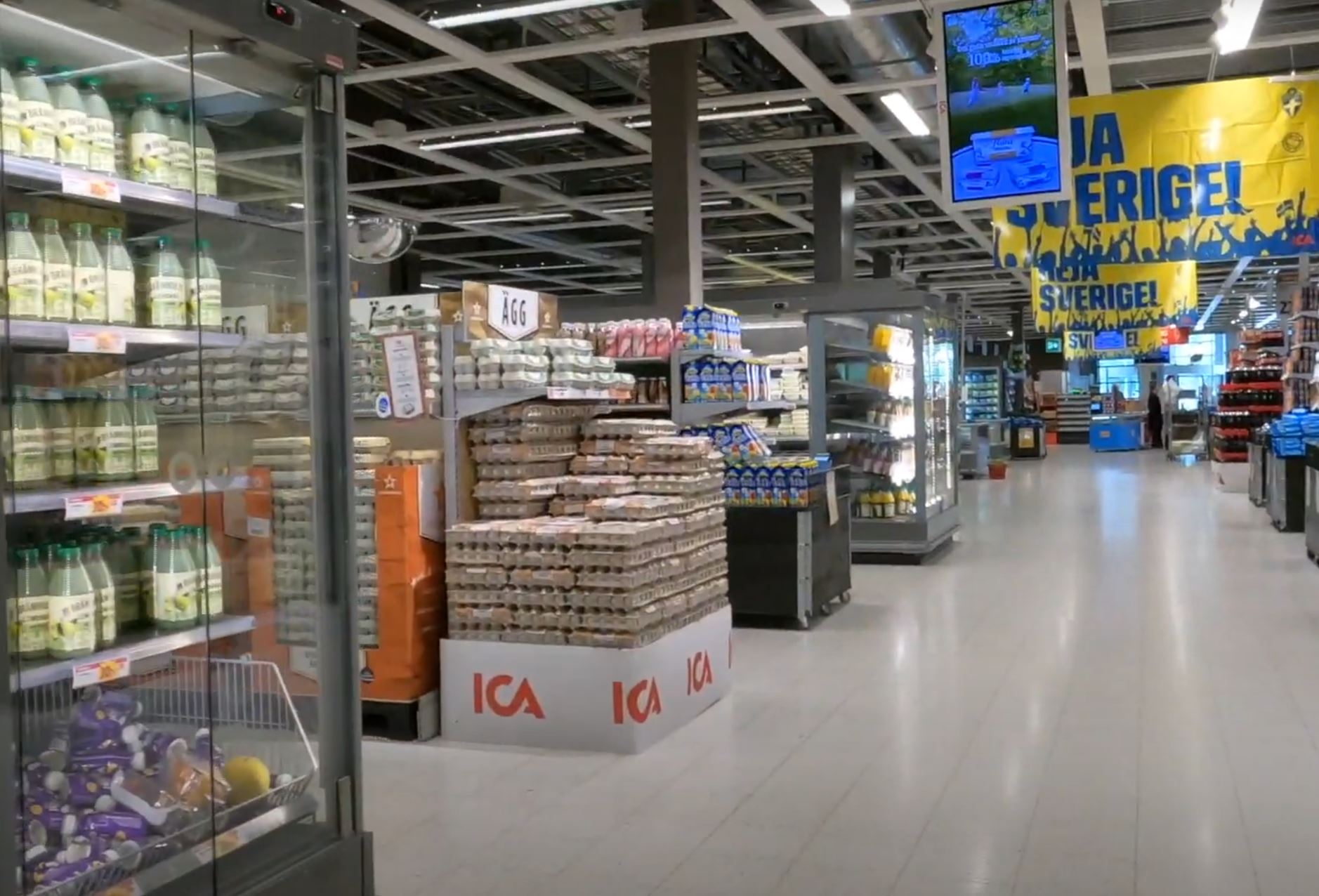
Amid the challenges facing Swedish agriculture, two food retailers, ICA and Lidl, have been singled out for their efforts to better promote Swedish-grown apples. Martin Löfstedt, the CEO of the producer organisation Sydgrönt, highlighted these two chains as examples of retailers that have successfully made Swedish apples more visible in their stores. According to Löfstedt, these retailers treat Swedish and imported apples equally, placing them in similar locations with the same level of prominence.
“It’s important that more retailers follow ICA and Lidl’s example. By giving Swedish apples, the same visibility as imported ones, we can help shift consumer behaviour and increase the demand for locally grown fruit,” Löfstedt remarked.
Although there is no clear explanation for why Swedish apples are underrepresented in stores, some experts point to how retailers display local products. Swedish produce, particularly apples, is often placed in less prominent locations, making it harder for shoppers to notice. This lack of visibility, combined with the typically lower price point of imported apples, further hinders the sales of homegrown options.
Sweden’s Apple Potential: Ideal Conditions and Year-Round Supply
Sweden is blessed with favourable growing conditions for apples, with over 200 varieties cultivated across the country. The relatively cool climate and long daylight hours give Swedish apples a unique flavour and texture that distinguish them from imported counterparts. Additionally, Sweden’s ability to store apples for extended periods has made it possible to sell local varieties throughout the year.
Apples are stored in specially designed cool rooms with controlled air quality and temperature, a process that halts the ripening of the fruit while allowing it to continue breathing. This ensures that Swedish apples are available for consumption year-round, a significant advantage over many imported options that are limited to specific harvest periods.
“The apples are placed in cool rooms with controlled air quality and temperature, which allows them to continue breathing while halting the ripening process. This means that Swedish apples can now be sold all year round,” says the organization behind the From Sweden label, a voluntary origin mark for Swedish food products.
The Importance of the “From Sweden” Label
The From Sweden label, which includes sub-brands such as Meat from Sweden and Milk from Sweden, is an important initiative that seeks to guarantee the origin and quality of Swedish products. The label ensures that everything from cultivation and breeding to processing, packaging, and inspection is carried out within Sweden’s borders.
By supporting the From Sweden label, retailers can provide consumers with the assurance that they are purchasing high-quality, locally produced goods. This can help to build trust in Swedish food products and increase their visibility in the marketplace.
While ICA and Lidl are making strides in promoting Swedish apples, it is clear that more must be done across the retail sector to ensure that Swedish food producers can compete on equal footing with their international counterparts. By giving Swedish products greater visibility and recognition, retailers can help foster a more sustainable food system that benefits local farmers and the environment.
The Road Ahead: What Needs to Change?
For Swedish apple growers and other local food producers to thrive, retailers need to rethink their approach to product placement and marketing. This means actively promoting Swedish-grown options and highlighting their benefits in-store. Additionally, greater consumer awareness of the environmental and economic advantages of supporting local agriculture could further drive demand for Swedish produce.
Sweden’s food production system has the potential to be far more self-sufficient if given the right support. By following the example set by ICA and Lidl, other retailers can help create a more level playing field, where Swedish products are given the attention and space they deserve.
Ultimately, the question is not just about what retailers can do to support Swedish food producers but also about what consumers can do by making informed choices that favour local, sustainable options. By choosing Swedish apples, consumers can play a vital role in ensuring the future of local agriculture and a stronger, more resilient food system.
Conclusion
The challenges facing Swedish apple growers are emblematic of broader issues within the country’s food industry. While the efforts of ICA and Lidl are commendable, a concerted effort is needed from all players in the food retail sector to ensure Swedish agriculture can compete on a global stage. Only by promoting local products and increasing consumer awareness will Swedish food production have the opportunity to flourish in the years to come.