
Major electricity grid operators in Sweden are implementing sharp increases in network fees at the start of 2026, sparking fresh concern among consumers and businesses already grappling with elevated energy costs. Vattenfall and Ellevio—two of the country’s largest distribution system operators (DSOs)—have announced hikes of up to 14% and approximately 10%, respectively, citing the need for massive infrastructure investments.
Starting January 1, 2026, Vattenfall customers in its distribution area will see network charges rise by 14%, translating to roughly SEK 130 more per month for a typical electrically heated villa and SEK 35 for an average apartment, according to the company’s official figures. Ellevio’s increase is slightly lower at around 10%, but still substantial: its fixed fee is set to rise by 8%, while the variable usage-based fee will jump by 12%.
Both companies justify the hikes as necessary to fund critical upgrades and expansions to Sweden’s aging electricity grid—a system under increasing strain from electrification trends, renewable integration, and heightened demand from industrial decarbonization and data centre expansion.
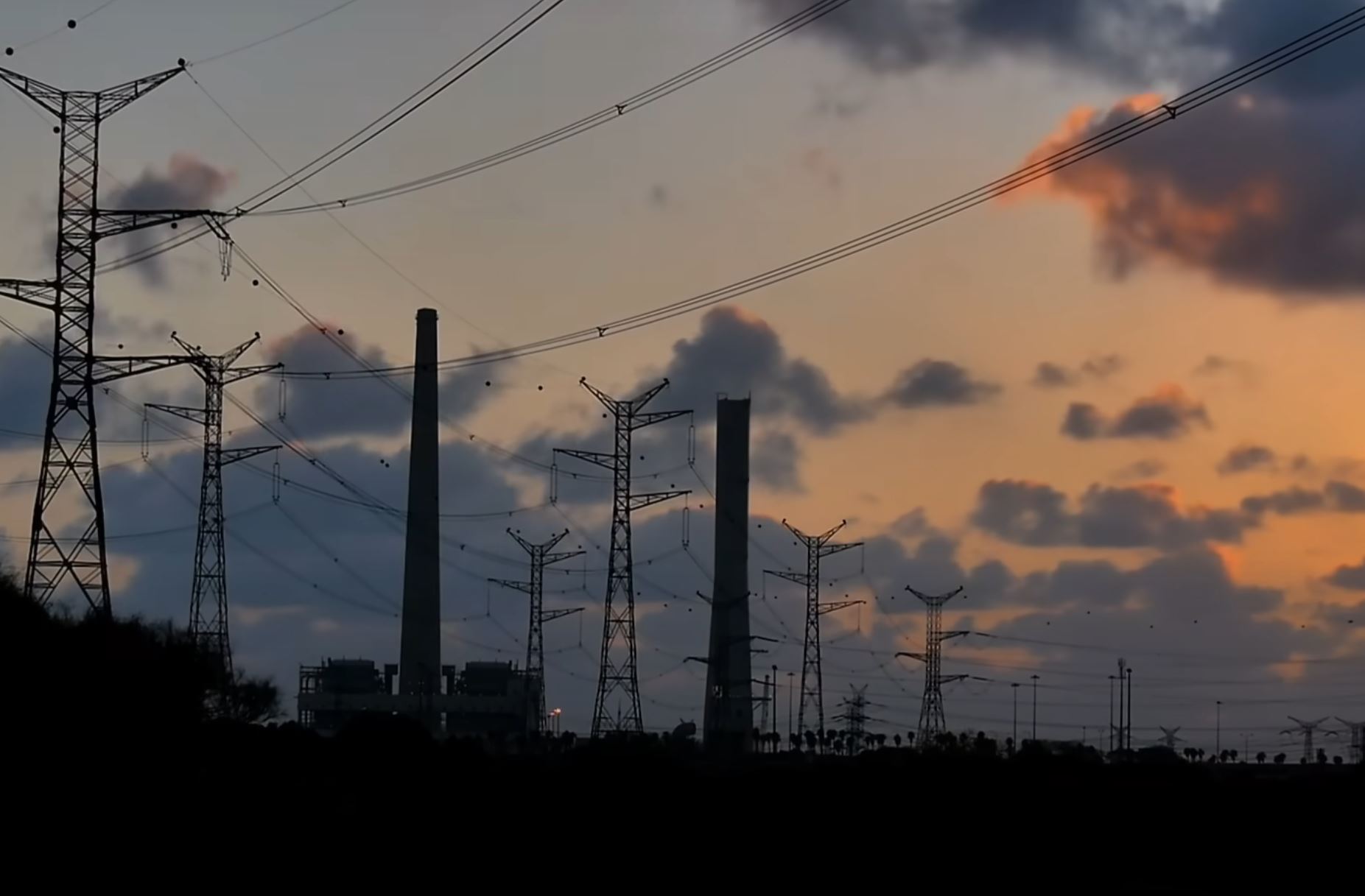
A Pattern of Above-Inflation Increases
This latest round of price hikes is not an isolated event. Over the past decade, network tariffs have consistently outpaced inflation, drawing repeated scrutiny from consumer advocates, housing associations, and policymakers. According to data from the Nils Holgersson Group—an umbrella organization representing Sweden’s housing cooperatives—the nationwide average increase in electricity network fees between 2024 and 2025 reached 10.6%, the highest annual rise since the group began tracking these costs in 1996. The previous record, set just a year earlier in 2023, stood at 9.6%.
Unlike the competitive retail electricity market—where consumers can shop among dozens of suppliers for the best power contract—the distribution network component is a regulated monopoly. Customers have no choice in their grid operator, which is determined by geography. Sweden’s roughly 100 DSOs operate under oversight from the Swedish Energy Markets Inspectorate (Ei), which approves tariff proposals based on projected investment costs and allowed returns.
Vattenfall, Ellevio, and E.ON dominate the landscape, collectively serving the majority of Sweden’s population, particularly in urban and densely populated regions. Their market power, combined with the inelastic nature of grid access, places significant pricing influence in their hands—raising questions about accountability, transparency, and long-term affordability.
Why the Grid Needs Billions—and Who Pays
The rationale behind these hikes is not without merit. Sweden’s grid requires extensive modernization to support its green transition. The national strategy for 100% fossil-free electricity by 2040, coupled with rapid growth in EV adoption, heat pumps, and industrial electrification, is placing unprecedented demands on local and regional networks.
Grid operators argue that without substantial capital injections—estimated in the tens of billions of kronor over the next decade—blackouts, bottlenecks, and delays in renewable project connections could become commonplace. In response, regulators have permitted higher regulated returns on equity to incentivize timely investments.
However, critics warn that the cost burden is falling disproportionately on households and small businesses, which have limited ability to absorb recurring fee increases amid already elevated living costs. “This isn’t just about wires and poles—it’s about fairness,” said Anna Lindström, head of policy at the Swedish Consumer Agency. “When essential infrastructure is a monopoly, regulation must ensure that investments are efficient, necessary, and fairly cost-allocated.”
Looking Ahead: Regulatory Scrutiny and Alternatives
The Energy Markets Inspectorate has signalled it will intensify its review of DSO investment plans in upcoming tariff cycles, seeking greater justification for proposed expenditures. Meanwhile, some municipalities are exploring localized solutions, such as community-owned microgrids and demand-response programs, to reduce reliance on centralized infrastructure.
For now, however, most Swedish consumers have little recourse but to absorb the increases. With the 2026 hikes locked in, the focus shifts to whether future investment plans can be optimized to curb the pace of tariff growth—while still enabling Sweden’s ambitious energy and climate goals.
One thing is clear: as the backbone of the electrified future, the grid will remain both indispensable and expensive. The challenge for policymakers, regulators, and industry alike is to ensure that the cost of building that future is shared equitably—and transparently.