
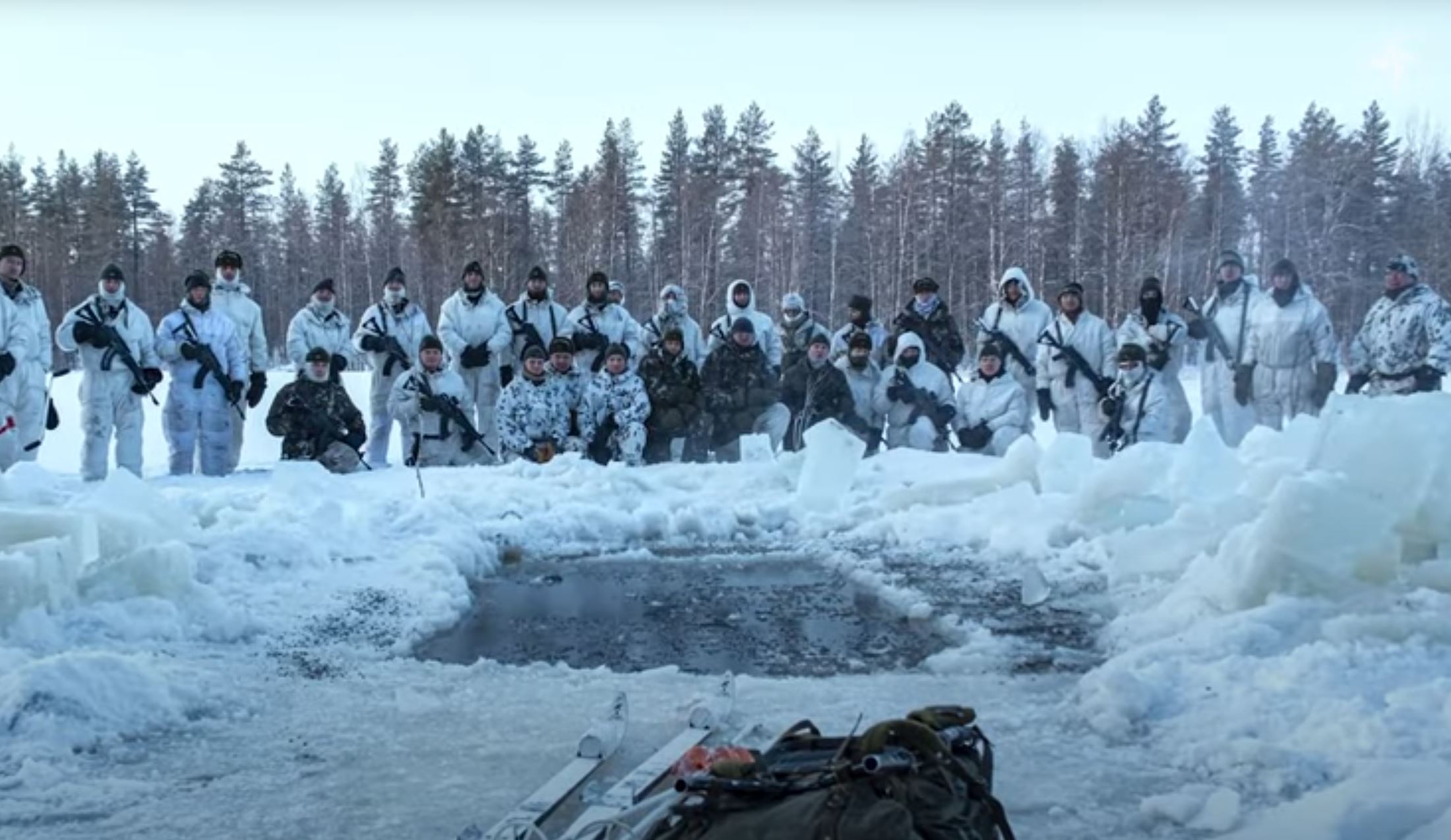
HELSINKI — In a bold move emblematic of Europe’s shifting security calculus, Finland is dramatically expanding its military readiness through legislative, infrastructural, and strategic initiatives aimed at deterring Russian aggression and asserting sovereignty in an increasingly volatile Arctic region. At the heart of this transformation is a landmark defence bill that, once enacted, will raise the reservist age limit from 50 to 65—potentially mobilizing one million Finns by 2031.
The Finnish Parliament’s Defence Committee has now endorsed the government’s proposal, setting the stage for what defence experts describe as one of the most efficient and cost-effective military enhancements in modern European history.
“This isn’t about buying new tanks or fighter jets—though those matter too,” says Associate Professor Peter Viggo Jakobsen of the Danish Defence Academy. “With a stroke of the pen, Finland has just increased its available combat power by 125,000 personnel over five years. It costs virtually nothing but yields immense strategic value.”
A Reservist Nation Reborn
Finland’s unique conscription-based defence model, rooted in memories of the 1939–1940 Winter War against the Soviet Union, has long required nearly all men to serve in the military. However, with Russia’s full-scale invasion of Ukraine in 2022—and Finland’s subsequent accession to NATO in 2023—the security environment has fundamentally changed.
Defence Minister Antti Häkkänen stressed this summer that “it is not enough to invest in defence equipment alone. The Finnish people must also be mobilized.” The new bill ensures that reservists, including officers and specialists, remain liable for service until age 65, significantly extending the pool of trained personnel available during crises. Crucially, the reform also empowers the Defence Forces and Border Guard to assign individuals to critical roles based on expertise—not rank—during emergencies.
Jakobsen notes the cultural underpinnings of this shift: “Military service is in the Finnish DNA. Even sports stars pause careers to fulfil it. Public support isn’t just likely—it’s expected.”
Rewiring the Rails: From Russian Gauge to NATO Compatibility
Beyond personnel, Finland is undertaking a symbolic and strategic infrastructure overhaul: converting its railway system from the Russian-standard 1,520 mm gauge to the European 1,435 mm standard. Originally built during Finland’s time as an autonomous Grand Duchy under the Russian Empire, the current rail network has long mirrored Moscow’s—facilitating historical ties but complicating Western integration.
The first phase of this ambitious project will link Kemi, Finland, to Haparanda, Sweden, via a 30-kilometer dual-gauge corridor. Longer-term plans include a northern line connecting Oulu, Kemi, and Rovaniemi—home to a key defence depot.
“This isn’t just about freight or passengers,” Jakobsen explains. “It ensures NATO allies can move heavy equipment into Finland by rail—and denies Russia the ability to exploit Finnish infrastructure in a conflict. It’s a physical declaration of alignment with the West.”
Arctic Strategy in a Multipolar World
Complementing these moves, Finland this fall unveiled its first-ever Arctic Foreign and Security Strategy, crafted in the wake of its NATO membership. The document underscores Finland’s commitment to regional stability, enhanced Nordic defence cooperation, and Arctic operational readiness.
Notably, the strategy highlights Finland’s leadership role within NATO’s northern flank: the country now commands the Multi-Corps Land Component Command, coordinating forward-deployed forces in Rovaniemi and Sodankylä. Preparations are also underway to facilitate rapid troop movements from Norway’s Narvik through Sweden into Finland—a testament to deepening Nordic interoperability.
Yet the strategy also reveals cautious realism toward Washington. While praising U.S. collaboration on icebreaker development through the Icebreaker Collaboration Effort (ICE) with Canada, Finland subtly acknowledges the unpredictability of American foreign policy—particularly amid concerns over former President Donald Trump’s past remarks about Greenland and scepticism toward NATO.
“Finland is walking a fine line,” says Jakobsen. “They want U.S. partnership but are preparing for a scenario where America steps back. Their defence doctrine has always been self-reliant—now they’re fine-tuning it for the 21st century.”
Indeed, Finland’s ability to mobilise up to 300,000 troops within days—from a total reserve force approaching one million—positions it as arguably the most battle-ready non-nuclear state in Europe.
Conclusion: The Nordic Model of Resilience
Finland’s multi-pronged approach—expanding human capital, modernising infrastructure, and articulating a clear Arctic vision—offers a blueprint for small states navigating great-power competition. In an era where deterrence hinges as much on societal will as on hardware, Finland is betting on its people, its geography, and its alliances.
As borders harden, railways realign, and reservists stand ready, one message echoes from Helsinki: Finland will defend itself, with or without help—but it’s making sure help can arrive swiftly if needed.