
Sweden’s decision to acquire four new frigates marks a pivotal step in the country’s long-term strategy to modernise its naval capabilities and strengthen its deterrence posture in the Baltic Sea. This move is not merely a single, one-off procurement, but part of a broader ambition to build a more capable, NATO-aligned surface fleet that can operate effectively in the evolving security environment of Northern Europe.
The Luleå-Class Frigates: A Game-Changer for Sweden’s Navy
At the heart of this modernisation plan are the four large Luleå-class frigates, which are set to replace Sweden’s current fleet of Visby-class corvettes. These new vessels will be significantly larger, more versatile, and far more capable than their predecessors, designed to counter a wide spectrum of air, surface, and subsurface threats.
The Luleå-class frigates will feature ample space for advanced, long-range air defence missiles and NATO-standard weapon systems, making them capable of fulfilling critical roles within NATO’s integrated defence framework. Their larger size and enhanced capabilities position them as a force multiplier, not just for Swedish defence, but also for NATO’s collective security in the Baltic region.
Sweden plans to introduce two of these frigates by around 2030, with the remaining two expected to join the fleet by 2035. This long-term procurement timeline underscores the country’s commitment to bolstering its naval capabilities over the next decade and beyond.
Bidders and the Franco-British Angle
The Swedish government has framed this acquisition as an international partnership program, engaging with major European defence companies to build the frigates. Among the top contenders are France’s Naval Group and the UK’s Babcock, offering designs that reflect different approaches to modern naval warfare.
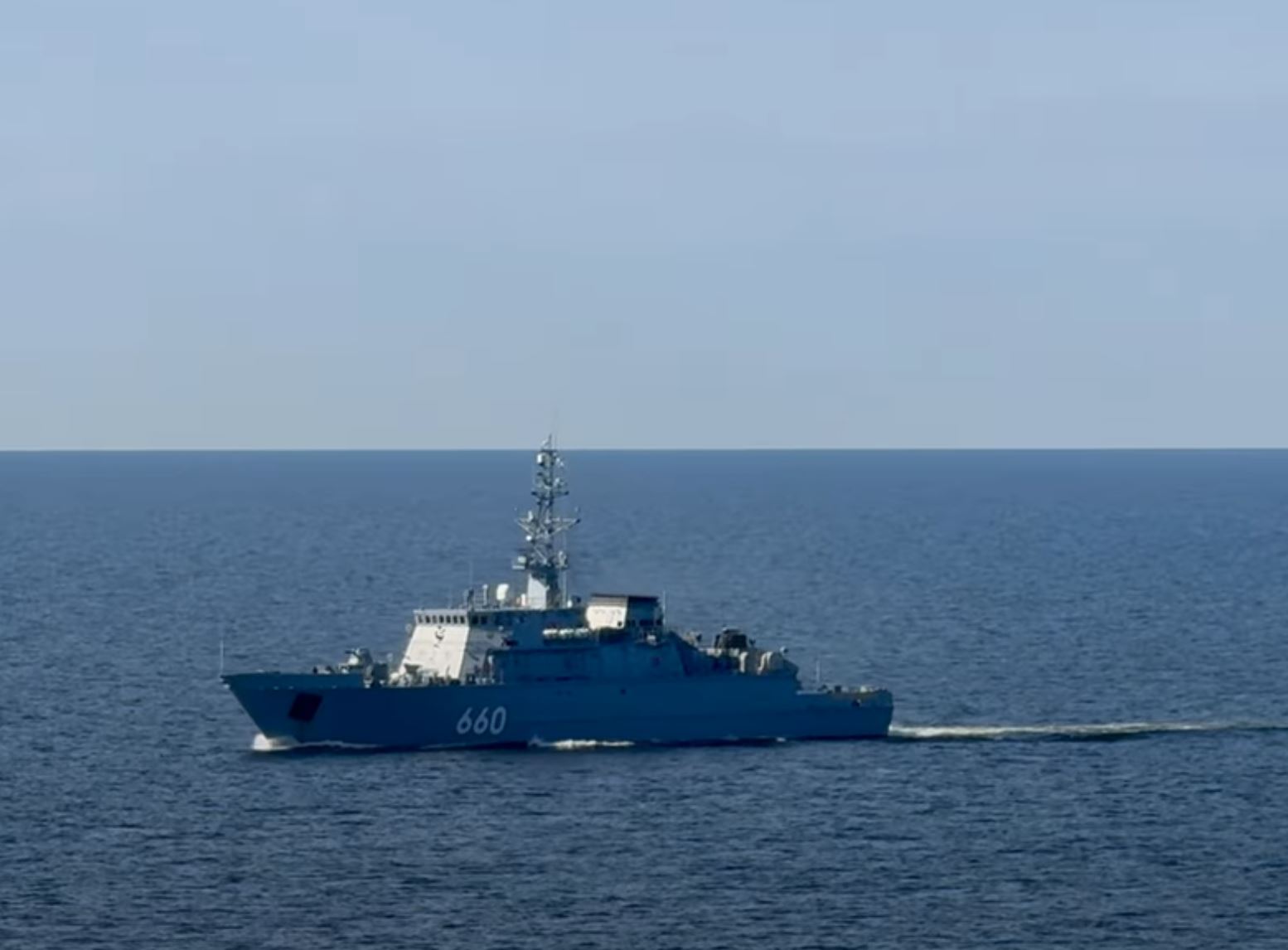
France’s Offer: The FDI Frigate
France’s Naval Group has put forward the FDI (Frégate de Défense et d’Intervention) as an option. This is a fully equipped, air defence-oriented frigate, which would be delivered by 2030. The FDI is designed to operate within NATO’s task groups, providing robust air defence capabilities. France has also proposed a strong industrial cooperation model, which would include collaboration with Swedish firms like Saab, potentially integrating Swedish systems into the French-built hull.
The UK’s Offer: Type 31 (Arrowhead 140)
The UK, through Babcock’s Type 31 (Arrowhead 140) design, offers a more cost-effective and modular option, which could be built in Scotland and fitted out in Sweden. The Type 31 is a versatile frigate that focuses on general-purpose missions, offering flexibility for a range of operational scenarios. Its relatively low cost and modular nature make it an attractive option for countries looking to balance cost with capability. However, the Type 31’s focus is more on general-purpose roles, as opposed to the high-end air defence capabilities that the Swedish Navy prioritizes.
Comparison of Competing Designs
| Aspect | French FDI Offer | UK Type 31 (Arrowhead 140) |
| Displacement/Size | 4,000–5,000 tons, 138 meters in length | Approx. 5,700 tons, 138 meters in length |
| Role Focus | High-end air defence, NATO task group integration | General-purpose, modular missions |
| Industrial Angle | French hull, integration with Saab’s systems | Potential construction in Scotland, fit-out in Sweden |
Why the Navy Says These Frigates Are Necessary
The Swedish Navy has emphasised the need for larger, more capable frigates to fill the area air defence and long-range escort gap that currently exists in Sweden’s fleet. As a NATO frontline state, Sweden is now facing new threats from Russia, including advanced missile systems, submarines, and aircraft in the Baltic region.
These new frigates will be equipped to protect Sweden’s high-value naval units—such as future amphibious ships, logistics vessels, and allied aircraft carriers—by providing escort services in the Baltic and beyond. Furthermore, they will integrate seamlessly into NATO’s air and missile defence networks, contributing to the collective security of NATO member states.
One of the key roles of these frigates will be to sustain operations further from Sweden’s coastline, in areas that are currently inaccessible for Sweden’s smaller, coastal-focused Visby-class corvettes. With enhanced operational range and capabilities, the Luleå-class ships will provide the Swedish Navy with the capacity to project power and respond to contingencies across a much wider area.
Criticisms and Counterarguments: Is the Investment Worth It?
While the modernisation of Sweden’s navy is generally seen as a strategic necessity, some critics have raised valid concerns about the cost, opportunity cost, and operational risks associated with this procurement.
Cost and Opportunity Cost
The total estimated cost for four frigates is between 40 and 60 billion SEK, a significant investment for Sweden’s defence budget. Some analysts argue that this money could be better spent on other capabilities, such as submarines, coastal defence systems, drones, air defence, and strengthening the army. They argue that a diversified defence strategy—focusing on asymmetric capabilities like coastal missiles and unmanned systems—might provide greater deterrence value for a fraction of the cost.
Dependence on Foreign Shipyards and Complexity
There are also concerns about Sweden’s growing reliance on foreign shipyards for such a large and complex purchase. Critics question whether Sweden’s relatively small navy, with its limited resources, will be able to adequately operate and maintain the larger, more complex frigates. The need for larger crews, advanced training, and higher through-life costs for these ships could stretch the Swedish Navy’s already limited manpower and resources, especially as Sweden faces the prospect of increasing its presence in NATO’s integrated defence structures.
While these concerns are valid, the Swedish Navy argues that the shift to more capable frigates is essential for maintaining Sweden’s maritime security in an era of heightened tensions with Russia and increasing NATO integration.
Conclusion: A Modernised, NATO-Ready Surface Fleet
Sweden’s decision to invest in the Luleå-class frigates represents a bold step toward rebuilding and modernising its surface fleet for NATO-era deterrence in the Baltic Sea. With a clear focus on air, surface, and subsurface threats, these frigates will provide Sweden with a much-needed increase in capability, allowing it to better integrate into NATO’s collective defence structure.
While there are legitimate concerns about cost, operational complexity, and reliance on foreign shipyards, the broader strategic benefits of a modern, versatile surface fleet capable of performing a wide range of missions in the Baltic and beyond are clear. Sweden’s naval modernisation efforts, embodied by the Luleå-class frigates, will help strengthen the country’s deterrence posture and enhance its ability to contribute to regional security in a volatile, increasingly militarised environment.