
Svea Bank has been hit with a SEK 170 million penalty after Sweden’s Financial Supervisory Authority (Finansinspektionen, FI) concluded that the bank breached core anti-money laundering regulations.
According to FI, the violations relate to fundamental weaknesses in how Svea assessed customer risk and carried out customer due diligence. These are not technical shortcomings, but central pillars of the regulatory framework designed to prevent money laundering and terrorist financing within the financial system.
FI found that Svea failed to adequately classify and monitor customer risk in line with regulatory requirements. As a result, the bank did not implement sufficient control measures for higher-risk customers, increasing the likelihood that illicit financial activity could go undetected.
“Banks and financial companies complying with money laundering regulations is a prerequisite for them to be able to counteract risks of money laundering and terrorist financing in their operations,” said Malin Alpen, FI’s Head of Payments Supervision, in a statement accompanying the decision.
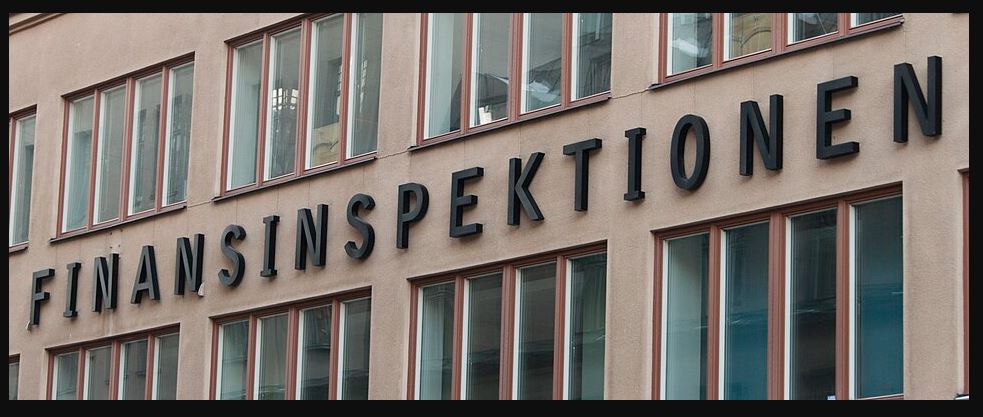
A signal to the wider banking sector
The size of the fine places Svea among the more significant AML enforcement cases in Sweden in recent years. While FI did not accuse the bank of facilitating criminal activity directly, the authority’s message is clear: structural weaknesses in compliance are treated as serious failures in themselves.
For Nordic banks, the case underscores how supervisory expectations have shifted from formal policy compliance to demonstrable, risk-based execution. Regulators are increasingly focused on whether institutions can show that their AML frameworks work in practice, not merely on paper.
Bank response and next steps
Svea Bank said it will review the decision and take further steps where necessary.
“Svea will read through and analyze the decision and promptly take any remaining measures,” CEO Lennart Ågren said in a press release.
The bank has not indicated whether it plans to appeal the decision.
Separate action against Garantum
In a separate ruling announced the same day, FI also issued a reprimand and a SEK 15 million sanction fee against Garantum Fondkommission. The authority found that Garantum failed to comply with consumer protection rules in its investment advisory services.
While smaller in financial terms, the Garantum case highlights FI’s parallel enforcement priorities: strengthening consumer protection alongside financial crime prevention.
Taken together, the decisions reinforce a consistent regulatory message. Swedish financial institutions are expected to maintain strong internal controls, transparent advisory practices, and risk-based compliance systems that function under scrutiny. For banks and investment firms operating in the Nordic region, the cost of falling short is becoming increasingly tangible.