
Gun violence in Sweden has fallen sharply from its early-2020s peak, with Stockholm County showing one of the most pronounced improvements. New police data indicates that fatal shootings have dropped by nearly 60 percent since 2022, a development authorities attribute to more effective prosecutions, international arrests, and the cooling of major gang conflicts.
In Stockholm County, reported shootings declined from 119 incidents in 2022 to 65 in 2025, measured through December 10. Fatal shootings fell from 27 deaths to 11 over the same period. While the numbers remain high by Nordic standards, the direction of travel marks a structural shift rather than a temporary fluctuation.
We have become better at reaching those who order the violence, not just those who carry it out, says Tobias Bergkvist, Deputy Regional Police Chief for Stockholm.
That distinction matters. Over the past three years, Swedish police have increasingly targeted instigators and financiers operating abroad, weakening gang command structures and disrupting retaliatory cycles that previously drove spikes in violence.
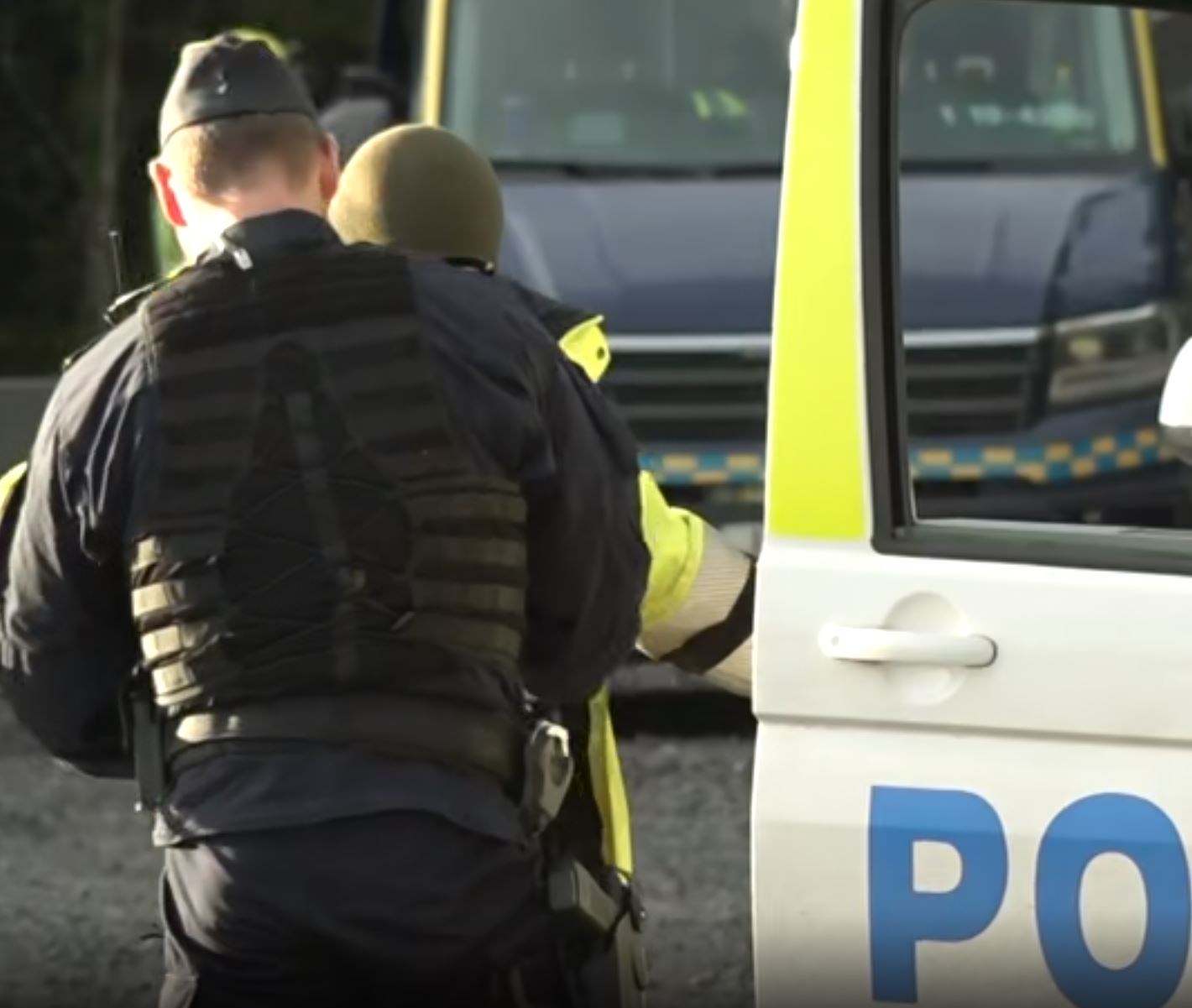
Gang Conflicts Lose Momentum
A key factor behind the decline is the de-escalation of the conflict between the Foxtrot and Dalen criminal networks, which dominated headlines in 2023. At its height, the feud produced repeated shootings in residential areas, raising concerns among businesses, municipalities, and international observers about Sweden’s internal security trajectory.
The reduction in violence suggests that law-enforcement pressure has succeeded in fragmenting these networks, though police caution against interpreting the trend as permanent.
We want the levels down further, Bergkvist says. The risk of resurgence is always present if pressure is eased.
For businesses operating in urban Sweden, particularly retail, logistics, and real estate, the stabilisation is significant. Persistent gun violence had begun to influence location decisions, insurance costs, and local investment appetite in certain districts.
Southern Suburbs Show Local Turnaround
Some of the most striking changes are visible in Stockholm’s southern suburbs. Areas such as Bredäng, Skärholmen, and Sätra experienced repeated shootings throughout the 2020s. This year, however, five shootings were recorded across the three districts, resulting in two injuries and no fatalities.
Residents point to a heavier police presence and calmer public spaces. While anecdotal, these perceptions align with the data and reinforce the role of visible policing in restoring local confidence.
In contrast, Järfälla and Södertälje stand out as outliers in 2025, accounting for six gun-violence victims combined. These municipalities illustrate how criminal activity continues to shift geographically in response to enforcement pressure, a pattern well known to law-enforcement analysts.
The Järva area, once among the most affected regions between 2020 and 2022, recorded a single fatal shooting this year.
National Figures Mirror the Stockholm Trend
The national picture broadly reflects developments in the capital region. In 2022, Sweden recorded 390 shootings and 62 fatalities, the worst year in the 2021–2025 period. By December 14, 2025, shootings nationwide stood at 143, with 43 fatalities.
While the decline in incidents is substantial, the reduction in deaths has been less pronounced, suggesting that violence, when it does occur, remains severe. For policymakers and analysts, this raises questions about weapon lethality, emergency response times, and whether deterrence is evenly distributed across criminal networks.
Explosions Rise as Criminal Tactics Shift
One area of concern cuts against the otherwise positive trend. Explosions linked to criminal activity have surged in 2025. In Stockholm’s Bredäng district alone, two restaurant-targeted explosions occurred earlier this year. Nationally, reported explosions rose from 90 in 2022 to 173 by mid-December 2025.
Police believe the increase reflects a tactical shift rather than an expansion of organised crime. Explosions are often tied to extortion and intimidation, Bergkvist explains. It is easier to recruit young people to throw a grenade than to carry out a shooting.
For businesses, this shift carries different risk dynamics. Explosions are less targeted at individuals and more often aimed at commercial properties, raising concerns around insurance premiums, physical security costs, and urban resilience.
The sharp fall in shootings marks a genuine improvement in Sweden’s internal security outlook, driven by targeted policing and the disruption of gang leadership structures. However, the rise in explosive attacks underscores how criminal actors adapt rather than disappear.
For Nordic businesses and investors, the message is mixed but clearer than in recent years: the threat environment is changing, not vanishing. Strategic engagement with municipalities, insurers, and security planning remains essential, even as headline violence declines.
Footnote: Two additional shootings with injuries were reported in Kallhäll and Alby after the initial data was compiled.