
In early December 2025, a Russian-flagged vessel unexpectedly anchored off the coast of Höganäs, on Sweden’s Kulla Peninsula, raising eyebrows among regional security analysts, maritime authorities, and policymakers. Citing engine failure, the ship—the MV Volga Leader—issued a distress call while transiting north through the Øresund Strait during the night. It subsequently dropped anchor in Swedish territorial waters, where it has remained for over two weeks.
Ties to Sanctioned Entities and Shadow Fleet Activities
What makes this incident particularly concerning is not merely the ship’s origin—but its ownership. The vessel is registered to M Leasing LLC, a company sanctioned by both the European Union and the United States since 2023 for its role in transporting North Korean munitions to Russia. Intelligence assessments, including those from the U.S. Treasury and EU’s Directorate-General for External Action, have linked M Leasing to Russia’s wartime logistics network, suggesting its vessels are part of the so-called “shadow fleet”—a growing web of obscured maritime assets used to circumvent Western sanctions.
These shadow fleets have become a critical enabler of Russia’s war effort in Ukraine, allowing Moscow to import essential war materiel, including artillery shells and components for drones and missiles, despite stringent export controls. North Korea, now a key arms supplier to Russia, is believed to have shipped over 6 million artillery rounds to Russian forces in 2024 alone—many of them transported via vessels like the Volga Leader.
Baltic Sea: A New Frontline for Hybrid Maritime Operations
The anchoring of the Volga Leader off Sweden’s southwestern coast is more than a routine maritime incident—it underscores the increasing hybridisation of commercial shipping and military logistics in Northern European waters. Since Sweden’s formal accession to NATO in March 2024, the Baltic Sea has taken on heightened strategic importance. With enhanced surveillance, joint naval exercises, and real-time intelligence sharing among Nordic and Baltic NATO members, the region is now a focal point in efforts to monitor and counter Russian maritime activity.
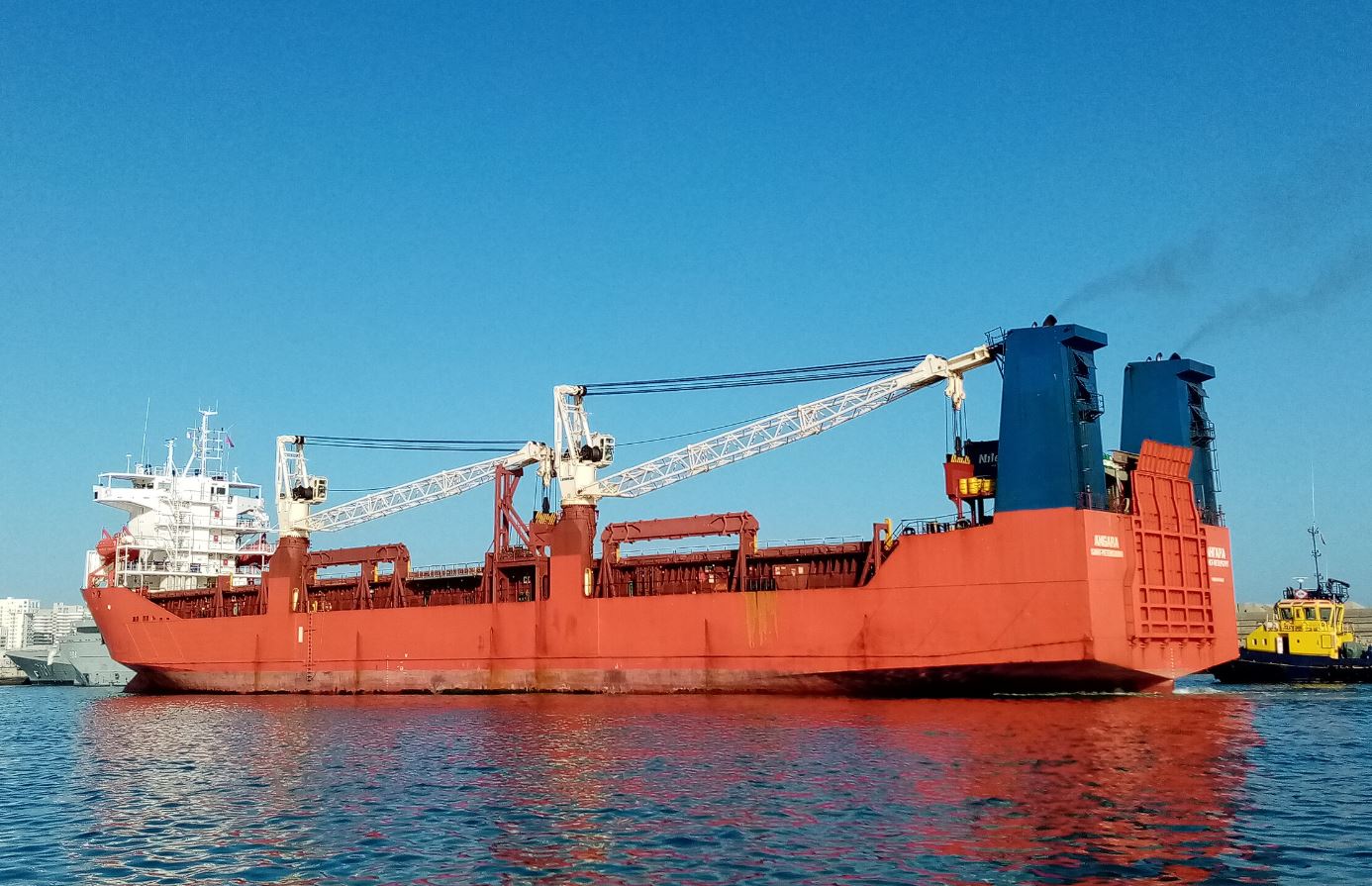
Swedish authorities have responded with procedural caution. The Swedish Maritime Administration confirmed the vessel’s distress call and stated it followed standard protocol by notifying the Swedish Navy and Coast Guard. “There is not much we can do if they have engine problems, but we have notified all relevant authorities,” said Marco Svensson, head of Sound VTS, the national maritime traffic monitoring centre.
Yet the lack of transparency surrounding the vessel’s cargo, repair timeline, and crew movements has fuelled speculation. Notably, the ship has not requested tug assistance or port access, which would be typical for a genuine mechanical failure. Instead, it remains stationary—within eyesight of critical undersea infrastructure and near Sweden’s main naval bases at Karlskrona and Muskö.
Implications for Nordic Business and Security Policy
For Nordic businesses—particularly those in logistics, energy, and defence—the presence of such vessels near Swedish shores is a stark reminder of the blurring line between commercial shipping and national security. The Baltic Sea is not only a vital trade corridor but also a contested space where hybrid threats, gray-zone tactics, and sanctions evasion converge.
Companies with offshore infrastructure, such as wind farms or subsea cables, must now factor in enhanced maritime domain awareness as part of their risk assessments. Meanwhile, insurers and shipping firms need to navigate increasingly complex due diligence requirements to avoid inadvertent exposure to sanctioned entities.
From a policy standpoint, the incident highlights the need for stricter enforcement mechanisms within EU maritime regulations, including mandatory AIS (Automatic Identification System) tracking, crew vetting, and real-time cargo declarations for vessels with links to high-risk jurisdictions. Sweden and its Nordic neighbours are already advancing regional initiatives like the Nordic Maritime Surveillance Network, which integrates radar, satellite, and AI-driven anomaly detection to flag suspicious behaviour.
Looking ahead – observing developments
As of late December 2025, the Volga Leader remains anchored near Höganäs, with no public indication of repairs or departure. Swedish defence officials have declined to comment on whether intelligence-gathering operations are underway, though defence analysts suggest the vessel may be under discreet surveillance.
For the Nordic region—now firmly integrated into NATO’s collective defence architecture—this episode is more than a curiosity. It is a strategic signal: the Baltic Sea is no longer a benign commercial waterway but a theatre of geopolitical contestation where every anchored ship could carry implications far beyond its hull.
—Nordic Business Journal continues to monitor developments in Baltic maritime security and will provide updates as new information becomes available.