
In a move that has reignited geopolitical tensions and stoked transatlantic unease, former U.S. President Donald Trump has appointed Jeff Landry—Louisiana’s staunchly conservative governor and longtime political ally—as a “special envoy” to Greenland with the explicit mission of advancing American interests on the Arctic island. In a statement posted to Truth Social, Trump declared, “Jeff understands how crucial Greenland is to our national security and will strongly advance our country’s interests.” Landry, for his part, accepted the role as a volunteer and wrote on X (formerly Twitter): “It would be an honour to make Greenland part of the United States.”
While such rhetoric may seem outlandish to casual observers, it reflects a deeper and increasingly urgent strategic calculus—one that remains highly relevant as of late 2025.
Why Greenland Matters—Now More Than Ever
Greenland, an autonomous territory within the Kingdom of Denmark, has long sat at the intersection of climate change, resource extraction, and great-power competition. Its vast ice sheet is melting at an accelerating pace, opening new shipping lanes and unlocking access to untapped deposits of rare earth elements, uranium, and other critical minerals essential to clean energy technologies and defence systems.
According to the U.S. Geological Survey, Greenland may hold upwards of 38.5 million tons of rare earth oxides—more than enough to rival China’s current dominance in this strategic sector. With the global push toward decarbonization and resilient supply chains, control over such resources has become a linchpin of national security strategy, not just for the U.S., but also for the EU, China, and Russia.
Trump’s interest in Greenland is therefore less capricious and more calculated than it first appears—though his proposed means of acquisition (including ambiguous references to “not ruling out force” in past statements) remain diplomatically indefensible and legally untenable under international law.
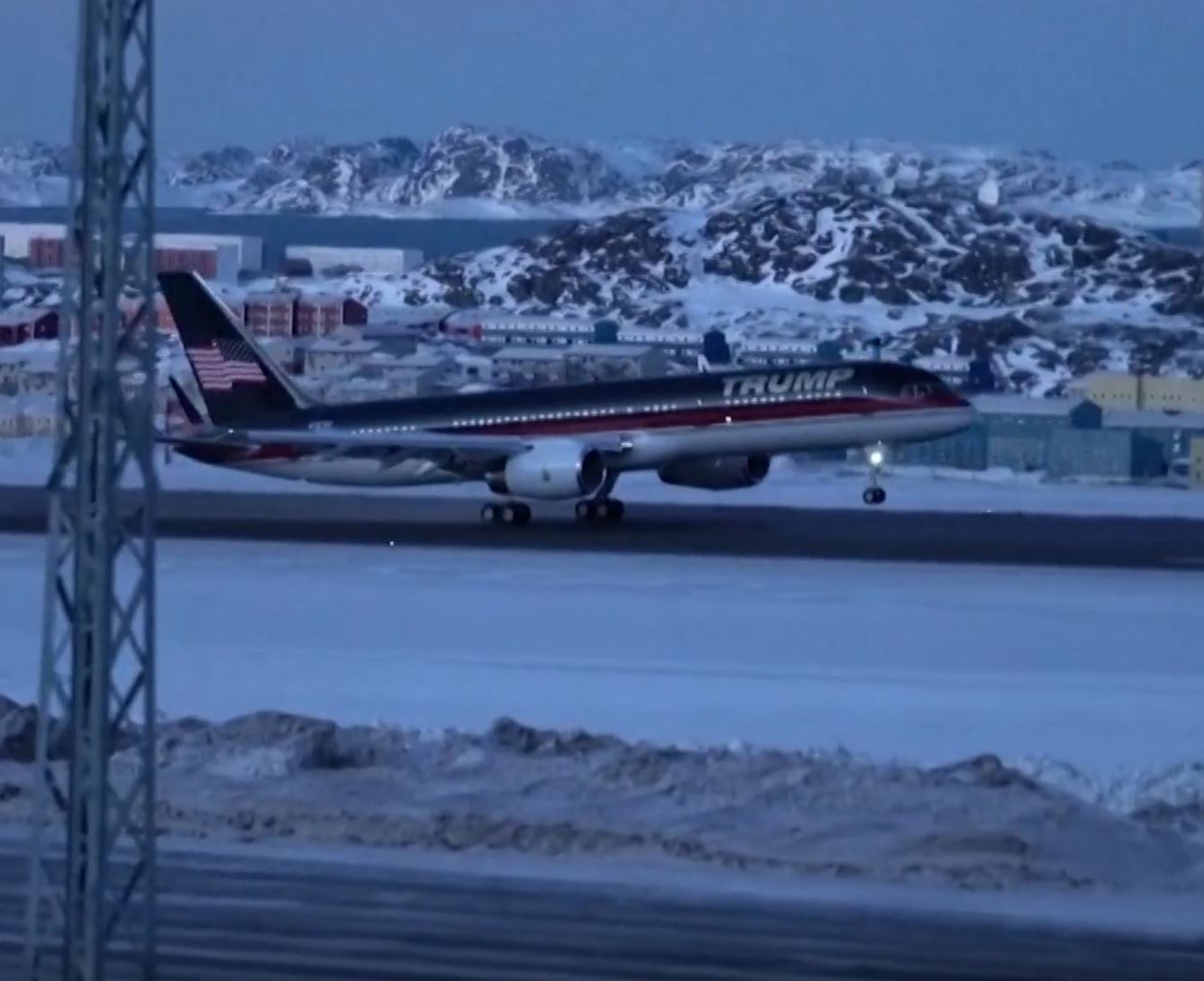
Denmark’s Firm Rejection—and Greenland’s Voice
Danish Foreign Minister Lars Løkke Rasmussen swiftly condemned the U.S. stance, calling it “completely unacceptable,” and summoned U.S. Ambassador Ken Howery for urgent consultations. Notably, Rasmussen emphasized that this decision was made “in close coordination with our Greenlandic colleagues”—a diplomatic nod to Greenland’s growing autonomy and its right to self-determination.
Crucially, Greenland’s own government has consistently rejected any notion of U.S. annexation. Prime Minister Múte Bourup Egede, leader of the pro-independence Inuit Ataqatigiit party, reiterated in 2024 that “Greenland belongs to Greenlanders,” and that while international partnerships are welcome, sovereignty is non-negotiable.
The Bigger Picture: Arctic Competition Heats Up
Though Trump is no longer in office as of 2025, his envoy appointment signals that the Arctic remains a contested frontier in U.S. foreign policy discourse—especially among certain factions within the Republican Party. Meanwhile, the Biden administration has taken a more collaborative approach, deepening ties with NATO allies and investing in the Thule Air Base in northern Greenland, a critical node for missile defence and early warning systems.
But Washington isn’t the only capital eyeing Greenland. China has sought greater economic influence through infrastructure investments and mining ventures—efforts repeatedly blocked by both Copenhagen and Nuuk on national security grounds. Russia, too, has expanded its Arctic military presence, underscoring the region’s growing strategic value.
For Nordic businesses and policymakers, this intensifying competition presents both risks and opportunities. On one hand, foreign interference threatens regional stability and the delicate balance of Greenlandic autonomy. On the other, responsibly managed international investment could accelerate Greenland’s economic diversification—currently over 50% reliant on Danish block grants—and support its aspirations for eventual independence.
Looking Ahead
As the Arctic transforms from a frozen periphery into a geopolitical hotspot, the Nordic region must assert its leadership in shaping a rules-based order that respects sovereignty, promotes sustainable development, and counters destabilizing power plays—whether rhetorical or real.
The Trump–Landry overture, while unlikely to yield territorial change, serves as a warning: Greenland’s future will be contested, and Nordic stakeholders must be proactive, not reactive.
What’s Next?
In our next feature, we’ll explore how Nordic mining firms and green tech startups are positioning themselves to partner ethically and profitably with Greenland—without compromising its autonomy or environment. We’ll also analyse the EU’s emerging Arctic strategy and its implications for regional businesses.
Stay Connected
Have insights on Arctic investment, sovereignty, or sustainable development? We’d love to hear from you. Reach out to our editorial team at insights@nordicbusinessjournal.com or connect with us on LinkedIn. Your perspective could shape our next deep dive.