
U.S. President Donald Trump has once again placed Greenland at the centre of global attention, bluntly reiterating his long-held view: “We have to have it.”
Citing national security concerns, Trump has revived the idea that the United States should assume control over the world’s largest island—an autonomous territory within the Kingdom of Denmark. The remarks, made during a press interaction at his Mar-a-Lago residence, have reignited diplomatic tension across the Nordic region and raised new questions about Arctic governance, defence investment and economic sovereignty.
Security First — Or Strategic Leverage?
Trump argues that Greenland’s strategic value is driven not by its vast mineral or energy reserves, but by its geopolitical position.
“When you look up and down the coast, there are Russian and Chinese ships everywhere,” Trump said, suggesting that Denmark has failed to adequately defend the territory.
This framing aligns with Washington’s broader Arctic strategy, where melting ice caps are opening new shipping routes and intensifying competition over surveillance, undersea cables, rare earths and missile defence infrastructure. From a U.S. perspective, Greenland is not a distant outpost—it is a forward operating node between North America, Europe and the High North.
Yet Nordic analysts have been quick to push back. Jan Hallenberg, senior researcher at the Swedish Institute of International Affairs, described the latest move as “a stab in the back,” reflecting concerns that unilateral U.S. rhetoric undermines long-standing transatlantic trust.
The Jeff Landry Appointment: Signal or Pressure Tactic?
Trump has appointed Louisiana Governor Jeff Landry as special envoy to Greenland, describing him as someone who “makes deals” and could “lead the charge” in realising U.S. ambitions.
Landry himself has publicly stated that it would be an honour to “make Greenland part of the United States,” comments that have further inflamed reactions in Copenhagen and Stockholm. Denmark responded by summoning the U.S. ambassador for consultations—an unusually sharp diplomatic step between NATO allies.
Notably, the White House has not clarified Landry’s mandate, timeline or authority. Historically, special envoys are deployed to manage complex negotiations or crises, suggesting that Washington may be testing political pressure points rather than outlining a formal policy shift.
Denmark, Greenland and the Autonomy Question
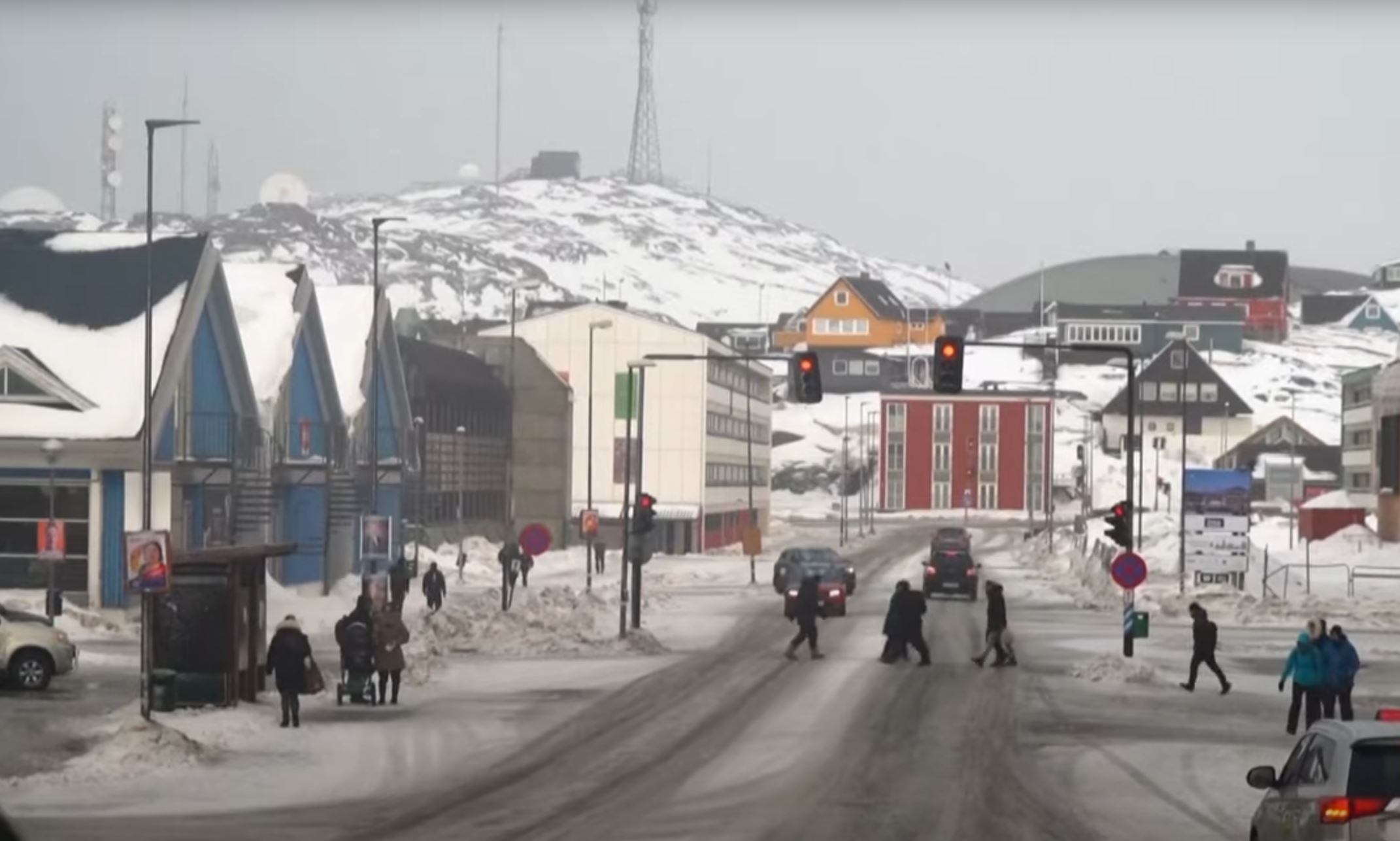
Greenland, home to roughly 56,000 people, enjoys extensive self-government but does not control foreign, defence or currency policy. That balance is now under strain.
Danish Prime Minister Mette Frederiksen has stated that Denmark is prepared to increase defence and security investments on the island, while also signalling openness to granting Greenland greater influence over foreign policy decisions—an important concession reflecting Nuuk’s growing political confidence.
From a Nordic perspective, this is a critical inflection point. Any change in Greenland’s status would reshape Arctic governance, NATO defence planning and commercial access to emerging Arctic resources.
Business Implications: More Than Politics
For Nordic businesses, the renewed Greenland debate is not abstract geopolitics—it carries tangible implications:
- Defence and infrastructure investment in the Arctic is likely to increase, benefiting Nordic contractors, logistics firms and satellite technology providers.
- Critical minerals and rare earths, essential for green technologies, remain a long-term prize—regardless of Trump’s claims to the contrary.
- Digital sovereignty concerns are growing. Copenhagen’s parallel efforts to reduce reliance on U.S. tech giants highlight a broader Nordic recalibration in response to political volatility.
The Arctic is rapidly becoming a convergence point of security, sustainability and industrial policy—and Nordic firms sit at the intersection of all three.
A Nordic Reality Check
Swedish Foreign Minister Maria Malmer Stenergard summed up the regional consensus succinctly: only Greenland and Denmark can decide Greenland’s future.
Yet Trump’s rhetoric underscores a harsher truth: the Arctic is no longer a quiet periphery. It is a strategic frontier, and Nordic countries will need to balance alliance loyalty with sovereignty, economic opportunity with political risk.
Looking Ahead – Editorial Follow-Up
In our next article, Nordic Business Journal will examine how Arctic militarisation and mineral competition could reshape Nordic investment strategies, from defence manufacturing to sustainable mining and digital infrastructure.
We invite our readers to share perspectives, insights and regional expertise.
Connect with us to continue the conversation and help shape informed, forward-looking Nordic business leadership in an increasingly contested world.
— Nordic Business Journal