
Finland is preparing to introduce a formal citizenship test as part of a broader overhaul of its nationality legislation, marking a significant shift in how the country defines integration and civic belonging. The Ministry of the Interior confirmed that draft legislation has now entered public consultation, with feedback open until 6 February 2026, and implementation targeted for early 2027.
At the center of the reform is a mandatory assessment of applicants’ knowledge of Finnish society, democratic values, and civic responsibilities. Interior Minister Mari Rantanen framed the initiative as a reinforcement—not a replacement—of existing requirements.
“Citizenship already requires a sufficient period of residence, financial self-sufficiency, and a clean criminal record,” Rantanen stated. “The new test strengthens the principle that citizenship should only be granted to those who have successfully integrated and understand the values of Finnish society.”
What the Test Will Cover
The proposed examination will be administered digitally by the Finnish Immigration Service (Migri) and taken in either Finnish or Swedish, Finland’s two official languages. The test will assess applicants’ understanding of:
- The Finnish legal and constitutional system
- Democratic institutions and electoral processes
- Human rights and equality principles
- Individual rights and civic duties
- Finnish cultural heritage and societal norms
The format will rely on multiple-choice and true-or-false questions, based on publicly available study materials—a design choice intended to ensure transparency, fairness, and accessibility.
Applicants who have already passed a Finnish or Swedish matriculation examination, or completed a higher education degree in either language, will be exempt. Migri is expected to develop the test in partnership with a Finnish university, although the institution has not yet been named.
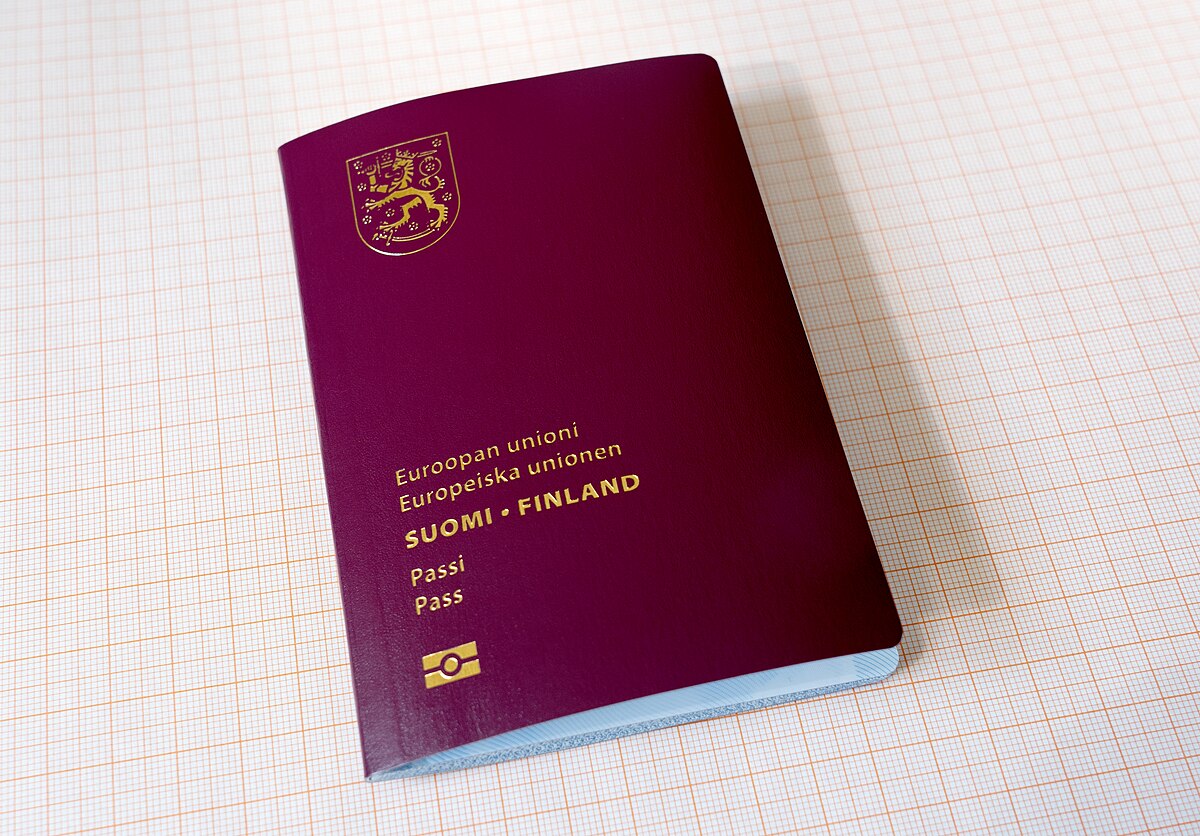
A Broader Tightening of Citizenship Policy
The citizenship test represents the third pillar in Finland’s recent tightening of nationality rules. Earlier reforms have already:
- Extended minimum residency requirements
- Introduced stricter income thresholds
- Strengthened background and character checks
Together, these changes signal a deliberate move toward a more selective, integration-focused citizenship model, aligning Finland more closely with systems already in place in countries such as Denmark, Germany, and the Netherlands.
Implications for Business, Talent, and the Labour Market
From a business perspective, the reform raises important questions about talent retention and long-term workforce stability. Finland continues to face structural labour shortages in technology, healthcare, engineering, and green industries—sectors heavily reliant on foreign professionals.
While the citizenship test may encourage deeper societal engagement, critics argue that longer and more complex pathways to citizenship could delay permanent settlement decisions for highly skilled workers, particularly those weighing opportunities across Europe.
At the same time, supporters contend that clearer integration benchmarks can strengthen social cohesion, improve trust in institutions, and reduce long-term integration costs—outcomes that ultimately benefit economic resilience and political stability.
For employers, the key takeaway is predictability: Finland is signaling that citizenship is not merely an administrative status, but a long-term commitment to shared civic values. Companies recruiting international talent may increasingly need to support employees not only with language training, but also with structured civic orientation.
Looking Ahead
If passed, the legislation will come into force in 2027, giving applicants, educational institutions, and employers a transition period to adapt. The public consultation phase may still influence the final scope, difficulty level, and exemptions within the test framework.
What is clear, however, is that Finland is redefining the balance between openness and obligation—an issue that resonates far beyond immigration policy and into the heart of Nordic economic strategy.
Editorial Note | What Comes Next
In our next article, Nordic Business Journal will examine how citizenship and residency reforms across the Nordic region are shaping cross-border talent mobility, and what policymakers and employers can do to remain competitive in the global race for skills.
We invite readers, business leaders, and policymakers to share their perspectives and experiences.
Connect with us to contribute insights, suggest topics, or continue the conversation on Nordic policy, markets, and leadership.
Nordic Business Journal — Insight for a Changing North.