
If you have unused jewellery, old coins, or inherited gold tucked away “for someday,” that someday may have arrived.
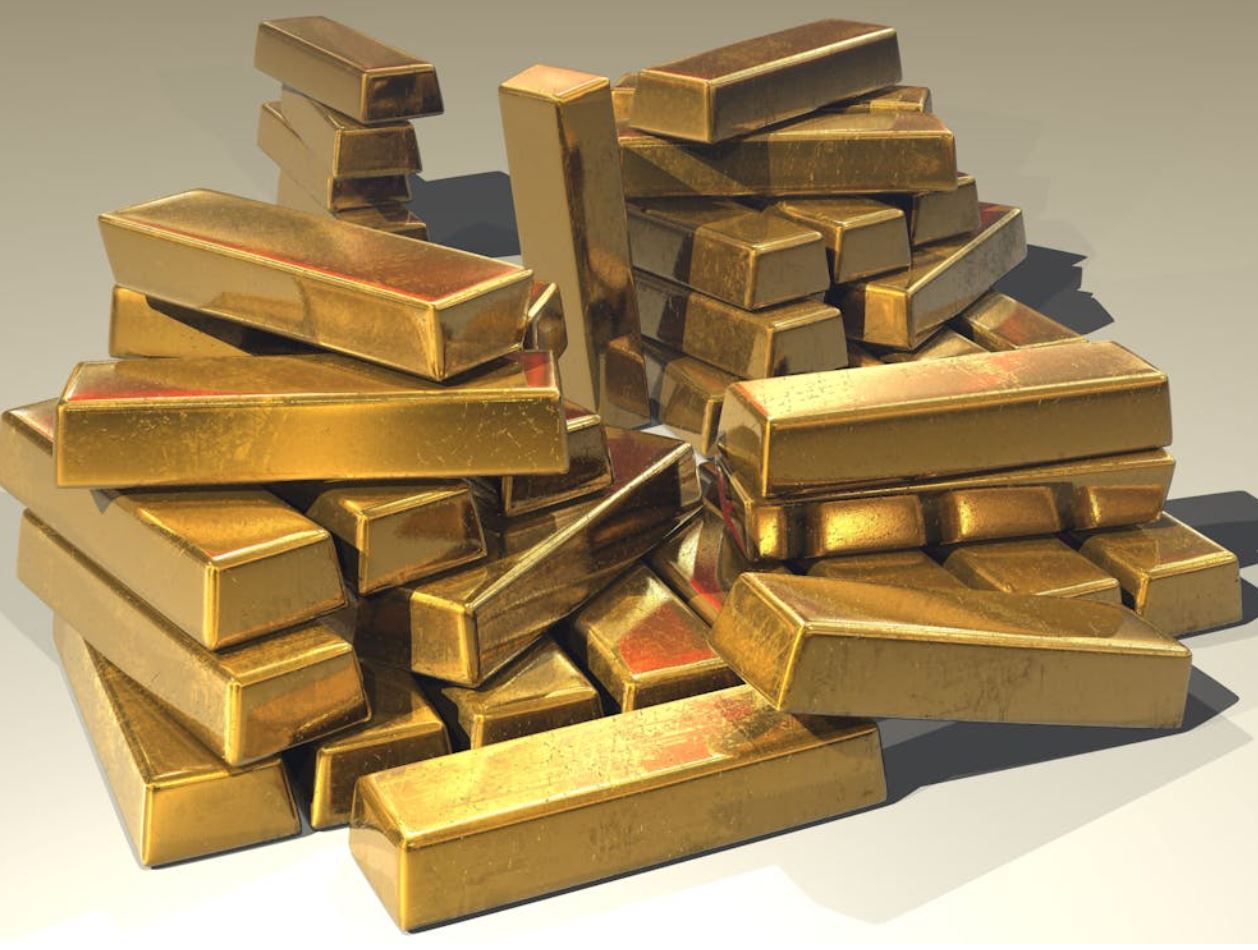
On December 24, 2025, gold broke through a historic global milestone, surging above $4,500 per troy ounce for the first time. Spot gold touched $4,525.19—a record—before easing back slightly, reflecting the kind of late-year volatility that often amplifies market moves.
This rally isn’t isolated. Silver hit an all-time high of $72.70 per troy ounce, and platinum surged to record territory as well, underscoring what is increasingly a broad-based shift into hard assets.
Why this matters (especially in the Nordics)
The Nordic economies tend to be highly trade-exposed, institutionally stable, and heavily integrated into global capital flows. That means we often feel global instability through markets—long before it becomes visible in local GDP prints.
The surge in precious metals is a textbook example of investors pricing in systemic uncertainty, especially when three forces converge:
1) Geopolitics and “re-risking” of portfolios
Gold’s rise has been reinforced by heightened global tensions and persistent uncertainty in major geopolitical flashpoints. Reuters notes safe-haven demand has been a key driver of this surge.
Nordic angle:
- Nordic pension funds, family offices, and even retail investors increasingly treat gold as a portfolio shock absorber—particularly when equities and bonds begin moving in tandem (a trend seen repeatedly since 2022).
- For Denmark and Sweden, export-heavy sectors (manufacturing, shipping, advanced industrials) can suffer as trade tensions increase—making diversification more valuable.
2) The U.S. dollar’s weakness: tailwind for gold
A weaker dollar typically supports higher gold prices because gold is dollar-priced globally. In 2025, the dollar has experienced one of its sharpest declines in decades. Morgan Stanley Research described the ~11% drop in the first half of 2025 as the largest decline in more than 50 years, and expects further pressure into 2026.
Nordic angle:
- Nordic investors holding U.S. assets face a double-layer decision: currency hedging costs vs. currency risk.
- A weaker dollar can reduce the value of U.S. equity gains when measured in DKK, SEK, or NOK—so gold becomes an appealing non-correlated hedge.
3) Expectations of future interest rate cuts
Gold doesn’t pay yield—so when investors believe rates will fall, the “opportunity cost” of holding gold declines. Reuters emphasizes that expectations of U.S. rate cuts in 2026 have increased gold’s attractiveness.
Nordic angle:
Nordic central banks are often forced to react to global conditions (and currency pressures) rather than lead them. If global rates fall while inflation remains sticky, real yields become unstable—another classic setup where gold tends to outperform.
The numbers behind the phenomenon
- Gold is up more than 70% year-to-date, its largest annual gain since 1979.
- Silver has surged even more dramatically, rising well above gold on momentum, investment inflows, and industrial demand dynamics.
- Reuters also points to central bank buying, ETF inflows, and dollar diversification as drivers of the surge.
The message from the market is clear: investors are paying for insurance.
Should you sell your gold jewellery now? A Nordic decision framework
This is the part most market coverage ignores: price records don’t automatically mean “sell.” For households and small investors, it depends on what you own, why you own it, and what you’d do with the cash.
Consider selling if:
- You have broken jewellery, single earrings, or items that carry no emotional or heritage value.
- You want to reduce clutter and convert dormant value into something productive (paying down debt, building an emergency fund, investing in diversified assets).
- You suspect you’ll never wear it—but you’ve kept it out of habit.
Consider holding if:
- You own high-quality branded jewellery (some pieces may be worth more than melt value).
- You view it as intergenerational wealth, not just a commodity.
- You already have high exposure to equity markets and want a physical hedge.
Practical Nordic tip:
If you sell, do it professionally:
- Ask for the gram weight and purity (e.g., 14K, 18K, 24K).
- Get multiple quotes and compare the dealer’s % discount to spot.
- Be cautious with “fast cash” offers that obscure pricing or add fees.
What this signals for 2026
The most interesting part isn’t that gold hit $4,525. It’s what the rally implies about market psychology:
- A sustained appetite for safe assets suggests that investors are less confident in a quick return to stable global growth.
- The broader precious-metals rally (including platinum and palladium) hints that this is not only “fear trade,” but also supply constraints + strategic commodity positioning.
- With the dollar weakening and rate cuts anticipated, the conditions that pushed gold higher may continue—though sharp pullbacks are common after thin liquidity spikes. In short: this is a structural story, not just a headline spike.
Footer — Next Article Direction + Connect With Us
Follow-up idea for our next issue
“From Jewellery Boxes to Balance Sheets: A Nordic Guide to Valuing, Selling, and Investing Precious Metals in 2026.”
We’ll explore:
- How to tell melt value vs. collectible value
- Tax and documentation considerations across the Nordics
- Comparing physical gold, ETFs, vaulted accounts, and mining equities
- How households can use precious metals as part of a resilient personal balance sheet
Connect with Nordic Business Journal
Have a question, a reader case, or a topic you want us to investigate?
Write to the Nordic Business Journal editorial team—and tell us what you’re seeing in your market, industry, or portfolio. We feature reader insights and expert responses in our upcoming issues.