
In recent months, Greenland has found itself at the centre of a geopolitical whirlwind, yet its voice has largely been absent from the conversations shaping its future. This exclusion has caused frustration among Greenlanders, who feel sidelined in discussions about their land’s strategic importance, especially in light of tensions between the United States, Denmark, and NATO.
At the heart of this issue lies a complex interplay of international politics, regional security concerns, and national identity. Greenland, an autonomous territory within the Kingdom of Denmark, holds vast strategic and natural resources, and it is increasingly becoming a focal point in the global power struggle for influence in the Arctic. The region’s melting ice caps and the opening of new shipping routes have only intensified its geopolitical value.
One of the most striking moments in this saga occurred at the World Economic Forum in Davos, Switzerland, when U.S. President Donald Trump raised the spectre of a deal with NATO over Greenland’s future, without consulting either Denmark or Greenland itself. This announcement, made after a meeting with NATO Secretary General Mark Rutte, caught Greenlanders off guard. For many, it was yet another instance of foreign powers making critical decisions about Greenland’s future, without involving those who would be most directly impacted.
Trump’s remarks, which included pointed criticisms of Denmark and a historical reference to Denmark’s surrender to Nazi Germany during World War II, have only exacerbated tensions. While the former president’s rhetoric focused on Greenland’s strategic importance, his approach left Greenlanders questioning why such discussions were happening without their involvement. “How can they make an agreement about our future without even talking to us?” many have asked, voicing a sense of alienation.
Danish Prime Minister Mette Frederiksen responded firmly to this, asserting that NATO had no authority to negotiate on behalf of Denmark or Greenland. “We are committed to protecting the democratic rules of the game,” Frederiksen said. “These are matters for Denmark and Greenland, not NATO.”
Frederiksen also emphasised the broader geopolitical context, noting that NATO’s increased focus on the Arctic region was a positive development. “We are happy about that. It is something we have asked for,” she explained. However, she stopped short of clarifying the specifics of any potential agreements with the United States, despite Trump’s insistence that a deal was in the works. The ambiguity surrounding these discussions has only added to the uncertainty felt by Greenlanders, who are understandably wary of external powers trying to assert control over their territory.
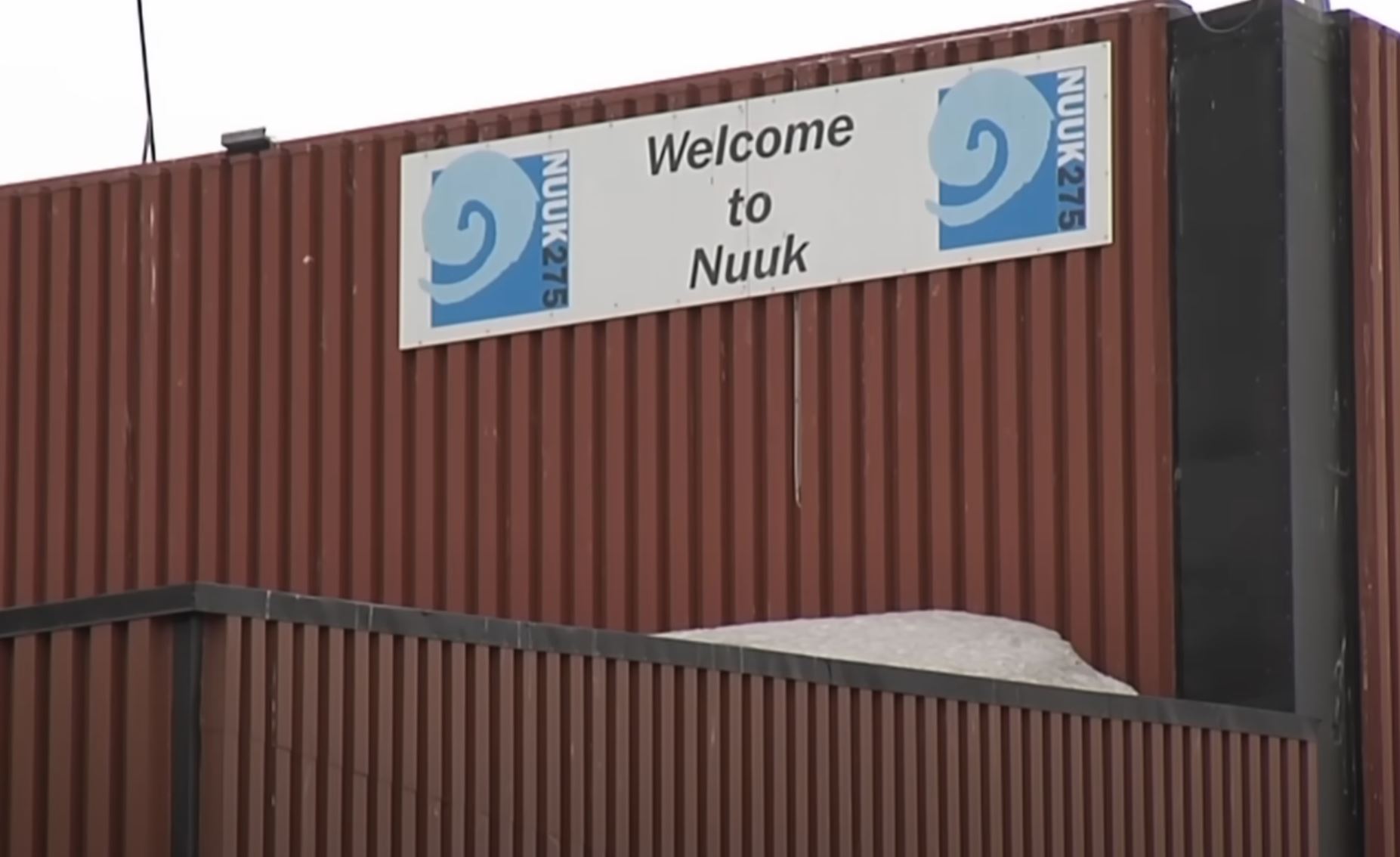
In a visit to Greenland following these events, Frederiksen sought to reassure the public of Denmark’s commitment to the island, stating that her presence was to show “strong Danish support for the Greenlandic people.” She also emphasised the importance of close cooperation between Greenland’s Prime Minister Jens-Frederik Nielsen and the Danish government, framing the situation as a diplomatic and political track that would be worked out together. However, the deep concerns among Greenlanders remain, as many question whether their voices will truly be heard in these crucial discussions.
The growing sense of disillusionment is clear. Greenlanders are not only grappling with the external pressures from powerful nations but also with an internal struggle to assert their autonomy and maintain control over their own future. As global powers continue to vie for influence in the Arctic, it is critical that Greenland’s voice is not drowned out in the political noise. A more inclusive and transparent approach to decision-making is essential to ensure that Greenland’s future is shaped by those who live there, rather than those who see it merely as a strategic asset.
Danish Business Optimism Amid Global Tensions
In the realm of business, Denmark has witnessed a notable surge in its financial markets following the announcement that the United States would not pursue a new tariff war or military intervention over Greenland. The news brought significant relief to Danish businesses, especially those with international trade interests.
On the back of these developments, the C25 index, which tracks Denmark’s top publicly traded companies, rose by 2.3 percent, largely reversing the previous week’s 2.6 percent drop. Investors were particularly buoyed by the news that Trump would refrain from using tariffs as a weapon in the dispute over Greenland, which had previously rattled global markets. The biggest gainer in the index was Novo Nordisk, the Danish pharmaceutical giant, which saw its stock price climb by over six percent, reflecting investor confidence in Denmark’s economic stability.
This upward swing in Danish stocks is a welcome sign after the uncertainty sparked by Trump’s earlier remarks. The stock market’s recovery suggests that investors view the potential for conflict over Greenland as less imminent than previously feared. The rebound also highlights Denmark’s resilience in the face of geopolitical challenges, with companies like Novo Nordisk continuing to perform well despite external tensions.
For Danish businesses, this is a reminder of the interconnectedness of global politics and markets. The events surrounding Greenland’s political status show how even distant geopolitical issues can have direct economic consequences. Companies operating in Denmark and the wider Nordic region should remain vigilant to global political developments, as these can quickly ripple through the stock market and affect everything from investment strategy to supply chain decisions.
What’s Next for Greenland and Denmark?
As the situation unfolds, Greenland’s political future remains in the balance. For the Greenlandic people, the question is not just about geopolitical manoeuvring but about their right to have a say in the decisions that directly affect their land and livelihoods.
In our next article, we will dive deeper into the broader geopolitical implications of Arctic tensions, particularly focusing on how the United States, Russia, and China are positioning themselves in the region. We will also explore what this means for Denmark’s relationship with Greenland, and how both nations can navigate the growing pressure from external powers while safeguarding their sovereignty.
Stay connected with us for more in-depth analysis and updates on this evolving story.
Contact us: Join the conversation on this pressing issue and share your thoughts with the Nordic Business Journal community. We encourage you to reach out with your insights, questions, and suggestions for future coverage.