
As global geopolitical dynamics continue to shift, the Arctic region is emerging as a focal point of both competition and strategic interest, with far-reaching implications for Sweden and the broader Nordic region. The latest developments concerning Greenland and the growing rivalry between the U.S., Russia, and China in the Arctic raise important questions about the security and economic interests of Nordic nations. While the Greenland crisis appears to be temporarily on hold, the long-term strategic stakes for Sweden and its neighbours remain high.
Greenland and U.S. Interests: A Pause in Tensions
Following an intense period of uncertainty around U.S. President Donald Trump’s interest in acquiring Greenland, there have been some signs of de-escalation. A recent meeting between Trump and NATO officials has somewhat cooled the rhetoric surrounding Greenland’s future. However, President Trump has consistently voiced concerns over Russia’s expanding presence and China’s growing influence in the Arctic. These geopolitical shifts have highlighted the region’s strategic importance, not just in terms of resources like oil and natural gas, but also in terms of military positioning and the control of shipping lanes that are becoming increasingly navigable due to melting ice caps.
Trump’s past remarks regarding the potential purchase of Greenland—along with his threats of tariffs against countries supporting Greenland’s sovereignty—seem to have faded for the time being. However, the deal itself is still “under negotiation,” as Trump recently confirmed during an interview at the World Economic Forum in Davos. He made it clear that the ongoing discussions were focused on gaining “total access” to the region, although the specifics remain under wraps.
The Nordic Region: Increased Security Focus Amid Growing Uncertainty
For Sweden, the strategic importance of the Arctic is closely tied to its own security concerns and its role within the European Union (EU) and NATO. Prime Minister Ulf Kristersson recently held a press briefing alongside key government officials, underscoring the gravity of the current security environment. He noted that the world is facing its most serious security situation since World War II, with tensions rising across multiple fronts, including in the Arctic.
Kristersson’s statements reflect the broader concerns within Sweden regarding both Russian military expansion and China’s infrastructural investments in Arctic territories. As the U.S. and China vie for influence in the region, Sweden is faced with the challenge of maintaining a neutral yet strategic position. The Swedish government has stressed that the security of its citizens and national interests are paramount, and this is increasingly linked to developments in the Arctic.
In response to mounting concerns, the Swedish government has actively engaged in diplomatic discussions with NATO allies and EU partners. During his recent discussions with Denmark’s Prime Minister Mette Frederiksen, Kristersson remarked on the importance of a united European response to external pressures. This was particularly evident during a summit in Davos, where the EU collectively stood firm against U.S. tariff threats, signalling Europe’s ability to act cohesively in the face of global challenges.
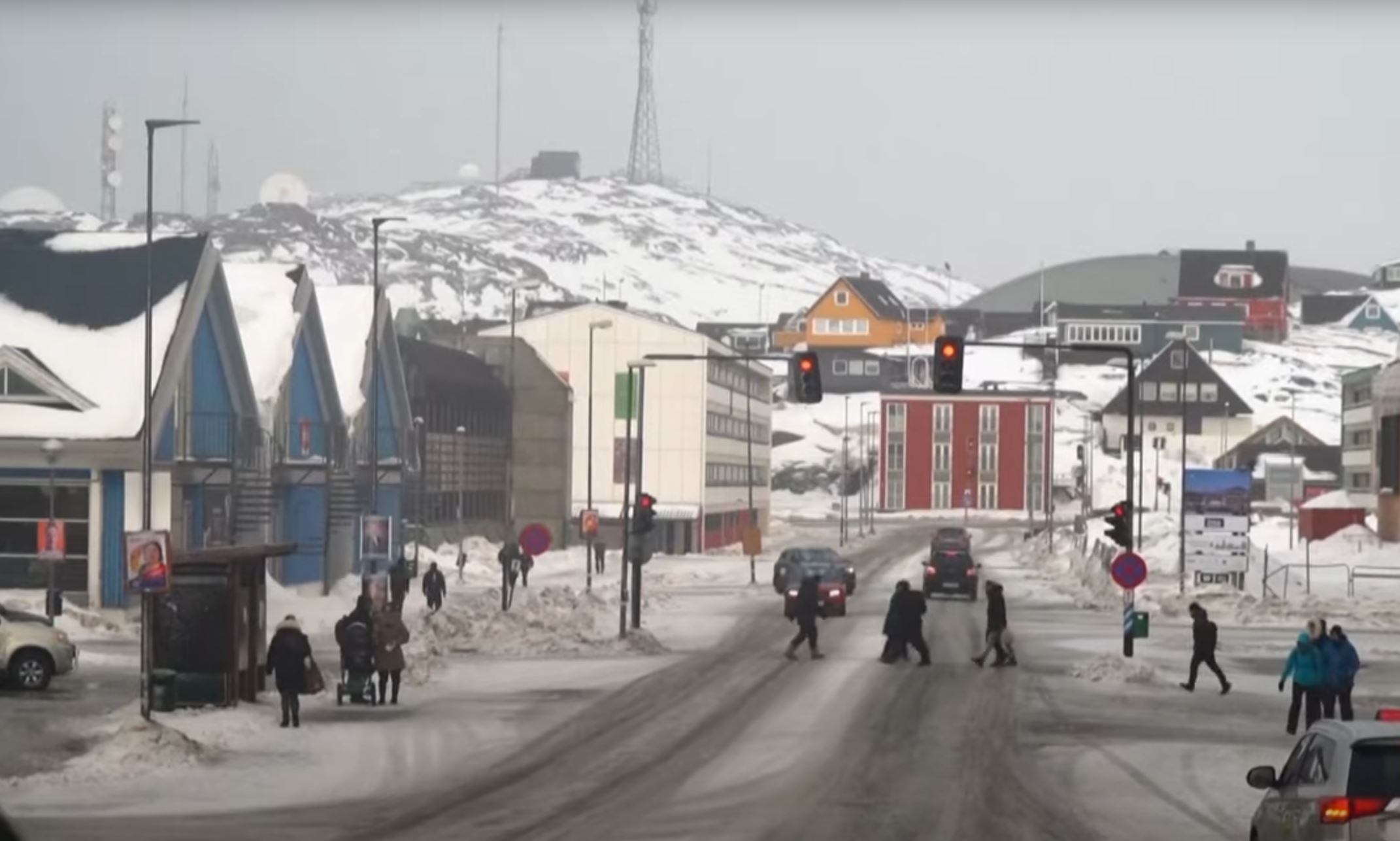
Analysing the Risks: Sweden’s Strategic Position
The Arctic has evolved from a remote and relatively stable region to a hotspot for geopolitical competition, as both Russia and China expand their presence. Russia, in particular, has increased its military and naval activities in the Arctic, re-establishing Cold War-era bases and conducting joint exercises with China. Meanwhile, China’s “Polar Silk Road” initiative seeks to capitalize on the opening Arctic shipping lanes to connect its growing economy to Europe.
Sweden’s geographical proximity to the Arctic makes it an essential player in any discussions regarding regional security and resource management. While Sweden has traditionally maintained a policy of neutrality, the changing landscape in the Arctic may necessitate a re-evaluation of this stance, especially as NATO and EU security concerns grow.
Sweden’s approach to the Arctic could be shaped by several key factors:
- Military Preparedness: Sweden must ensure that its armed forces are adequately prepared to respond to potential threats in the region. This may involve strengthening its defence infrastructure in the far north and increasing cooperation with NATO allies.
- Environmental and Economic Risks: The Arctic’s rapidly changing environment presents both opportunities and challenges. While the melting of ice opens up new shipping routes and access to resources, it also raises concerns about environmental protection and the sustainable management of Arctic resources.
- Diplomatic Engagement: Sweden’s diplomatic role within the EU will be crucial as the Arctic becomes a more contested space. Maintaining strong relations with both NATO and Russia will be important for Sweden’s security strategy, as well as for upholding international agreements related to Arctic governance.
Greenland’s Role in the Strategic Equation
As the global interest in Greenland grows, Sweden and its Nordic neighbours will be closely watching developments there. The U.S. has expressed particular interest in securing access to Greenland’s vast natural resources, including rare earth minerals and fossil fuels, which are vital for the growing global demand for clean energy technologies.
However, Greenland’s status as an autonomous territory within the Kingdom of Denmark complicates any U.S.-led initiatives. Denmark has been resolute in defending Greenland’s sovereignty, even as it faces the lure of potential economic benefits from increased U.S. investment. The Nordic countries, including Sweden, must balance their economic and strategic interests with the need to maintain a unified approach to regional governance.
Conclusion and Looking Ahead
The situation in the Arctic is far from settled. While Greenland may be at the centre of current geopolitical tensions, the broader dynamics involving Russia, China, and the U.S. will continue to shape the region’s future. For Sweden and the other Nordic countries, the challenge will be navigating this complex landscape of competition and cooperation while safeguarding national security and environmental interests.
Next Steps and Future Outlook
In the next issue of Nordic Business Journal, we will dive deeper into the growing influence of China in the Arctic, focusing on its infrastructure investments and their implications for Sweden and the Nordic region’s future economic and strategic positioning. We will also explore how the Nordic countries can work together to shape a sustainable and secure Arctic governance framework.
We invite our readers to share their thoughts and connect with us on these critical issues. Your insights are invaluable as we continue to monitor and analyse the evolving Arctic landscape.
Connect with us at contact@nordicbusinessjournal.com to join the conversation and stay updated on future developments.