
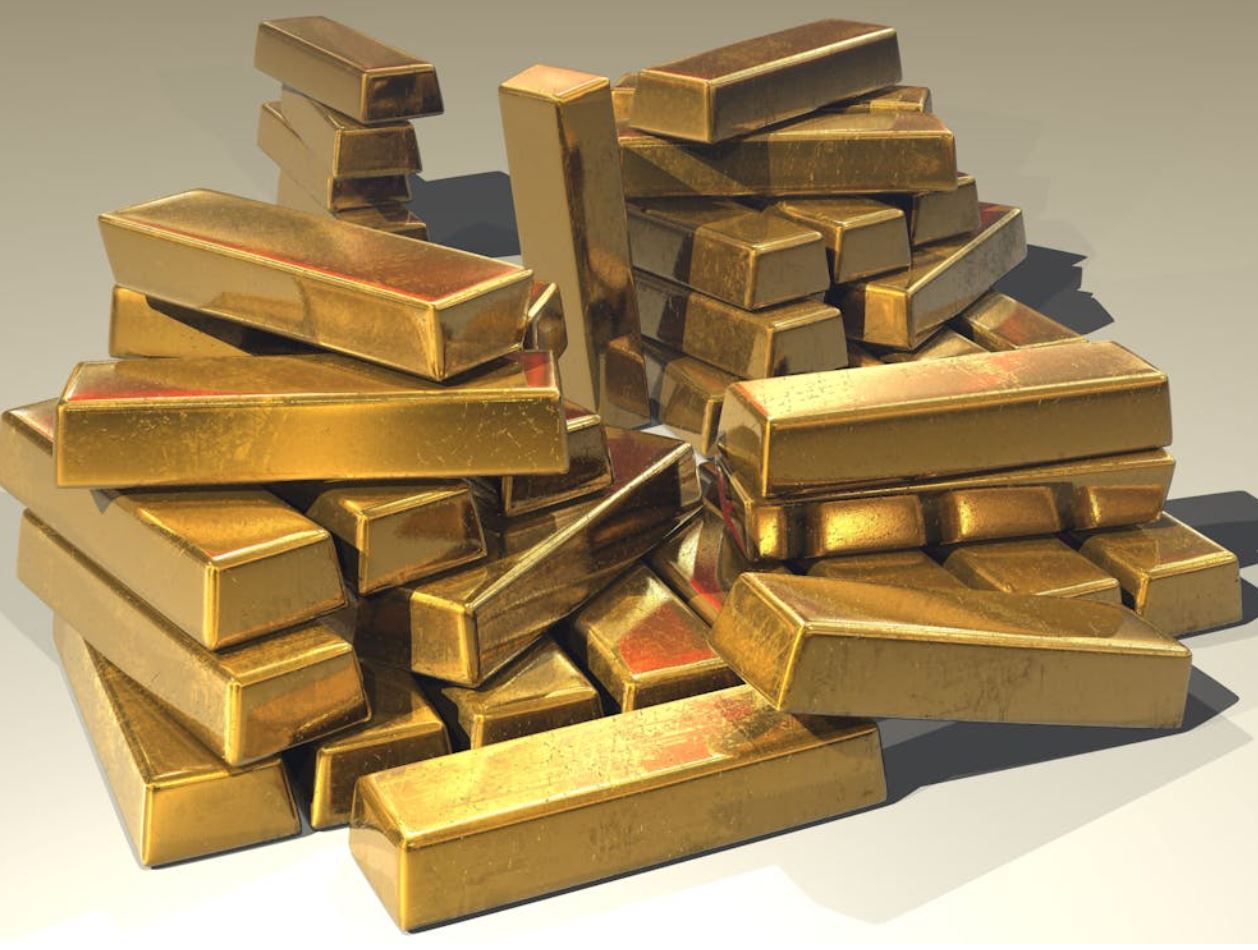
In recent months, the world has witnessed a significant surge in the price of gold, an unprecedented rise that has caught the attention of investors, governments, and individuals alike. The price of gold has doubled in less than two years, surpassing $4,500 per ounce at the turn of the year – a remarkable 70% increase in just one year. But what is behind this sudden surge, and what does it say about the state of the global economy?
Historically, gold has been a universally desired commodity. Known for its distinct yellow hue, it has been highly valued across all cultures and civilizations for millennia. Despite its limited practical utility, gold has managed to retain its appeal as a store of value. A closer look at this rise, however, reveals more than just an investment trend – it signals something far more profound: a reflection of the instability of the world.
Financial Markets Defying Expectations
While the price of gold is skyrocketing, other financial markets are experiencing relatively calm conditions. Stock markets, despite ongoing global tensions, seem to hum along toward new records. Fixed income markets, typically an indicator of economic distress, remain largely unfazed. Even oil prices, which often fluctuate dramatically in response to geopolitical events, have remained relatively low despite the turmoil in key oil-producing nations like Iran, Venezuela, and Russia.
Gold, however, stands apart as the one major exception. The rapid escalation of its price indicates that investors are seeking safety in an asset that is often viewed as a hedge against uncertainty. In a world where geopolitical tensions, economic instability, and political unrest dominate the headlines, gold’s appeal has only grown stronger.
The Erosion of Trust in Global Stability
Why is gold experiencing such a sharp rise? The answer lies in the diminishing trust between nations and the growing fear of a global system on the brink of collapse. For years, central banks around the world have been accumulating larger gold reserves as a safeguard against potential crises. The question now is: what crisis are they preparing for?
The erosion of trust in key global institutions, particularly in the United States, has contributed to this shift. Actions such as President Donald Trump’s erratic policies – including his support for controversial leaders like Venezuela’s Nicolás Maduro and his threats to annex Greenland – have added to global uncertainty. These developments are unpredictable and have far-reaching consequences that are difficult to measure in terms of stock prices or interest rates.
In such an environment, gold becomes a natural refuge. As a non-yielding asset that offers no dividends or interest, gold’s appeal lies in its role as a “barbaric relic” (as economist John Maynard Keynes once put it), a fallback when modern financial systems feel too volatile and unreliable. In times of uncertainty, investors turn to what they know best – a precious metal that has survived the test of time.
A World in Disarray
The global financial landscape is, undeniably, in a state of flux. Trust between nations has weakened, political instability is on the rise, and the international order appears to be unravelling. Gold’s dramatic price increase is not a mere anomaly; it is a clear signal that the world is not operating as it once did. The question now is whether this surge will continue or if global stability will return, bringing with it a return to a more predictable financial environment.
As the price of gold continues to rise, it serves as a barometer for global instability, reflecting fears of what may come. It is a reminder that, despite the relative calm of certain financial markets, the underlying uncertainty is far from over.
Looking Ahead: What’s Next for Gold and the Global Economy?
While it is difficult to predict how long this gold rush will last, it is clear that the global landscape is changing. To understand how gold will behave in the coming years, it is essential to monitor the evolution of political and economic dynamics. Peace, stability, and cooperation between nations could reverse the current trend. Until then, gold remains a valuable tool for navigating the uncertainty that characterizes today’s world.
In our next issue, we will explore how the rise of alternative digital currencies and decentralised finance systems are reshaping global financial landscapes and what this means for traditional assets like gold. Stay tuned for an in-depth analysis and the future of financial security in the digital age.
For more insights and updates, feel free to connect with us at the Nordic Business Journal.