
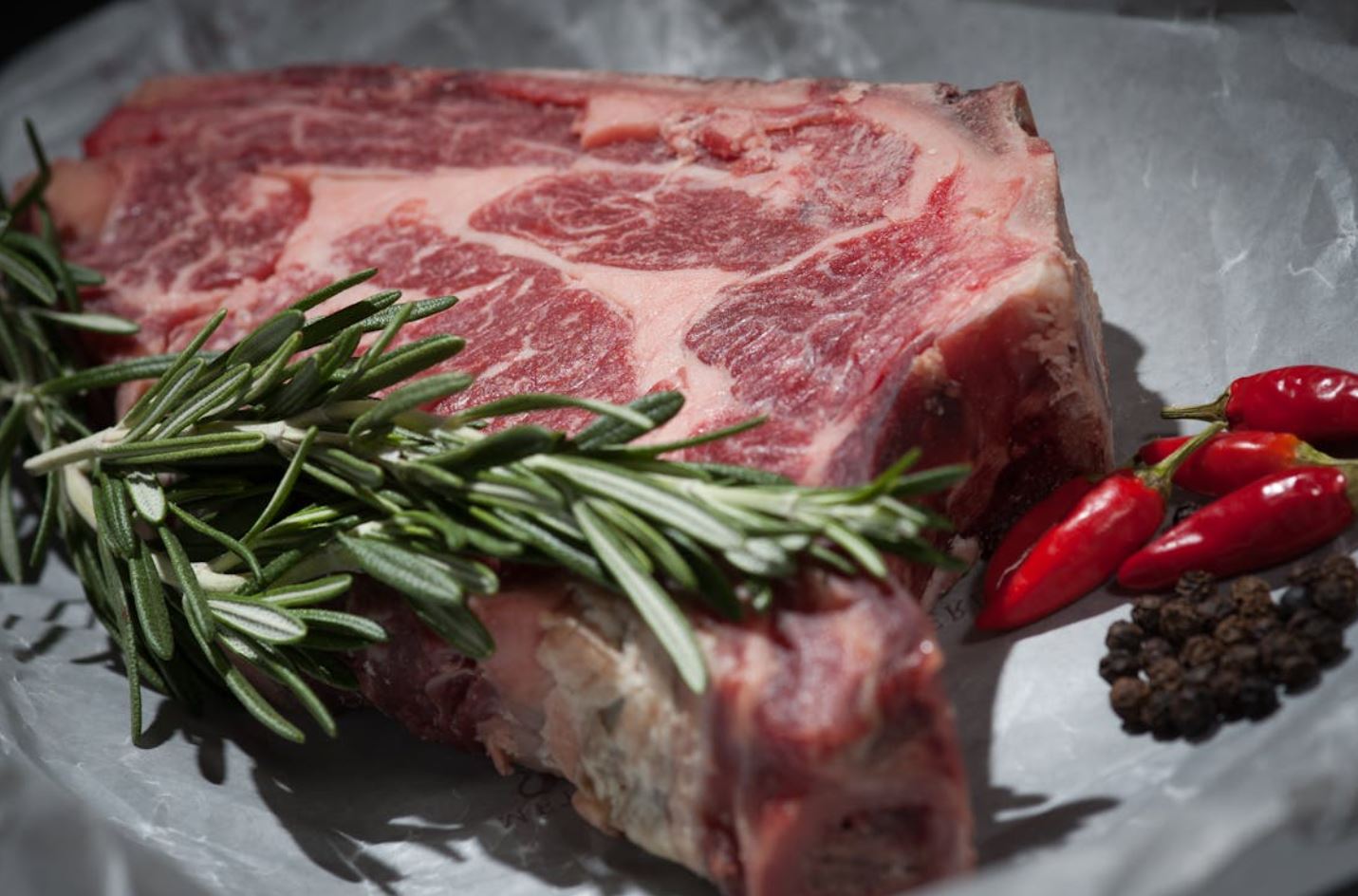
A provocative headline recently circulated global media channels: “Meat eaters more likely to reach 100, study finds.” The research in question followed over 5,000 Chinese adults aged 80+ from the Chinese Longitudinal Healthy Longevity Survey. While the correlation between meat consumption and extreme longevity captured attention, the reality—for Nordic business leaders, policymakers, and an aging population—is far more nuanced and strategically significant.
The Critical Context Missing From Viral Headlines
The study’s findings reflect not a universal endorsement of meat, but rather the acute nutritional vulnerabilities facing the very elderly. After age 80, physiological changes dramatically alter nutritional requirements: muscle mass declines (sarcopenia affects 10–50% of adults over 65), appetite diminishes, and protein needs increase to 1.2–1.5 grams per kilogram of body weight—up to 50% higher than for younger adults. In contexts where dietary diversity is limited or nutritional knowledge gaps exist, animal proteins can serve as a concentrated source of bioavailable protein, vitamin B12, iron, and calcium—nutrients critical for preventing frailty and maintaining functional independence.
Yet crucially, this is an observational study showing correlation, not causation. As nutrition scientists stress, “just because two things happen together doesn’t mean one causes the other.” The real insight lies not in vilifying plant-based diets—which decades of research associate with reduced cardiovascular risk and longevity in middle age—but in recognising that nutritional strategies must evolve across the lifespan.
The Nordic Imperative: An Aging Population Demands Smarter Nutrition Economics
This distinction carries profound economic implications for the Nordic region, where demographic realities are accelerating faster than most of Europe. By 2025, approximately 20% of Sweden’s population is aged 65 or older—a figure projected to rise steadily. In rural municipalities across Finland and northern Sweden, elderly residents already exceed 35% of the population. Denmark and Finland similarly face aging demographics that strain healthcare systems and pension structures while simultaneously creating opportunities within the burgeoning “longevity economy”—projected to reach $27 trillion globally by 2030.
For Nordic businesses, the strategic question isn’t whether to eat meat, but how to deliver life-stage appropriate nutrition at scale. Malnutrition in adults over 80 costs Nordic healthcare systems billions annually through increased hospitalisations, falls, and loss of independence. Conversely, targeted nutritional interventions that preserve muscle mass and prevent frailty could extend productive years of life—keeping seniors economically active longer while reducing public expenditure.
The Nordic Innovation Edge: Sustainable Protein for an Aging Society
Here lies a distinctive Nordic opportunity. The region already leads in alternative protein innovation—from Denmark’s fermentation pioneers to Finland’s upcycled forest biomass proteins and Norway’s marine ingredient advancements. The Nordic Alternative Protein Knowledge and Innovation Network (NAPKIN) is actively fostering cross-border collaboration to develop sustainable, nutrient-dense proteins that address both planetary boundaries and human health.
Emerging 2025 research demonstrates that well-planned plant-based diets can support muscle health in older adults when protein density, amino acid profiles, and micronutrient fortification are optimised. French researchers recently confirmed that plant proteins can constitute up to two-thirds of total protein intake for seniors without compromising nutritional adequacy—provided careful attention is paid to lysine, leucine, calcium, and B12. This aligns with Nordic values: sustainability need not conflict with healthy aging when innovation bridges the gap.
The business frontier now lies in personalised nutrition technology—AI-driven meal planning, 3D-printed nutrient-dense foods for those with dysphagia, and functional foods engineered for sarcopenia prevention. Companies that master life-stage nutrition will capture value across the longevity economy: from B2B contracts with municipal eldercare systems to direct-to-consumer nutraceuticals for the “young elderly” (65–80) seeking to age proactively.
The Bottom Line for Nordic Leaders
The Chinese longevity study ultimately reinforces a principle Nordic health system have long embraced: one-size-fits-all dietary guidelines are obsolete. What serves a 45-year-old executive differs fundamentally from what sustains a 92-year-old with reduced appetite and muscle mass. The strategic imperative is to develop flexible, evidence-based nutritional frameworks that adapt across life stages—while leveraging Nordic strengths in food science, sustainability, and digital health to deliver them profitably and equitably.
As Chloe Casey of Bournemouth University aptly summarises: “Our nutritional needs at 90 may look very different to those at 50, and dietary advice should reflect these changes throughout the lifespan.” For Nordic businesses, the opportunity isn’t choosing sides in a meat-versus-plants debate—it’s building the next generation of nutrition solutions that honour both human longevity and planetary boundaries.
Looking Ahead
This article launches our “Longevity Economy” series examining how demographic shifts are reshaping Nordic markets. Next month: “The Silver Tech Revolution”—how Nordic startups are deploying AI, robotics, and personalised nutrition to transform eldercare from cost centre to growth sector. We invite food industry leaders, healthtech founders, and municipal policymakers to share insights on scaling life-stage nutrition solutions. Connect with our editorial team at insights@nordicbusinessjournal.com to contribute to our next deep dive—or nominate an innovator redefining aging in the Nordics.