
In recent years, healthcare authorities in Sweden’s Jämtland and Värmland regions have raised alarms over several cases where mothers and newborns have suffered serious complications after giving birth outside the structured healthcare system. The issue has ignited concerns within the field of obstetric care, particularly about the growing trend of women choosing home births or unassisted deliveries in non-medical settings.
Maria Sahlin, the Operations Manager for Women’s Healthcare in Värmland, shared her concerns:
“It is deeply concerning if women choose to give birth outside of the healthcare system because they feel unsafe or unseen within it. Our goal should be to make them feel secure and well-supported in our care.”
The Growing Numbers of Births Outside Healthcare Facilities
In the past year, the Värmland region has documented two cases where women, after giving birth outside healthcare institutions, sought emergency medical care for severe complications. One of the most tragic incidents occurred in Jämtland earlier this summer when a newborn died and another child suffered severe injuries after being born at home without the presence of a midwife. These cases have brought into sharp focus the risks that arise when births take place outside the safety of medical supervision.
In a recent statement, Värmland’s healthcare officials pointed out that although the number of such incidents is still relatively small, the trend raises concerns about the growing preference for alternative birthing methods. This follows a broader, worldwide trend of increasing home birth rates, driven by personal beliefs, ideological choices, or negative experiences with traditional healthcare systems.
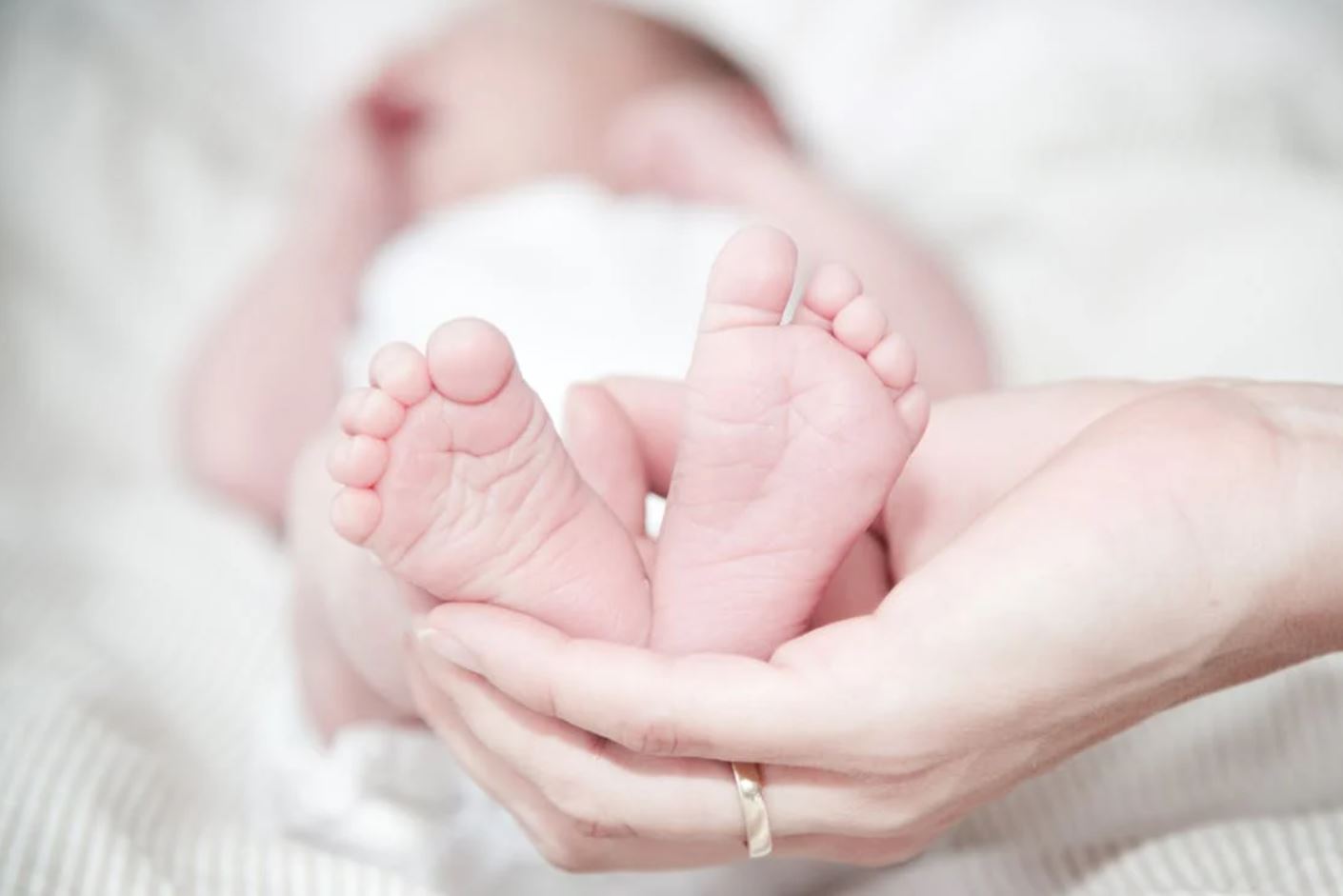
The Essential Role of Medical Professionals in Childbirth
The key concern, according to midwifery experts, is the unpredictability of childbirth. “There is always a risk that unexpected situations will arise that the pregnant woman cannot anticipate,” explained Eva Nordlund, a representative from the Swedish Midwives’ Association.
She stressed that midwives and other healthcare professionals bring critical skills to the delivery process that are often invisible to the woman herself during labour. These professionals are trained to monitor both mother and child throughout the birth, recognizing subtle signs that could signal complications, such as foetal distress or haemorrhage. “We need different eyes and different knowledge to assess when intervention is necessary,” said Nordlund.
Despite the unfortunate reality that complications do arise even in hospital births, experts agree that the chances of managing and mitigating risks are far greater in a medical setting. “Hospitals are equipped with the expertise and resources to handle emergencies,” noted Hanna Åmark, a member of the Swedish Medical Association’s Society for Obstetrics and Gynecology (SFOG). “While the natural course of childbirth is essential, we cannot ignore that complications can occur unexpectedly, and when they do, the presence of skilled professionals is crucial.”
Understanding the Motivation Behind Choosing Alternative Births
According to Maria Sahlin, there are two primary reasons women opt for births outside the traditional healthcare system. “The first is ideological — some women simply believe in natural, unmedicated birth and prefer to avoid hospital settings. The second is more reactive: Some women, disillusioned by negative experiences or stories within the maternity care system, feel that their needs will be better met outside the healthcare system.”
This concern has led to growing efforts within Swedish healthcare to address these issues directly. One significant focus has been to improve the overall experience of childbirth in hospitals, with an emphasis on enhancing women’s participation and making them feel more involved in the process. According to Åmark, midwives now have greater support in encouraging the natural progression of labour, while also allowing more time for the process to unfold.
“We let it take longer,” Åmark explained. “Supporting the spontaneous process of childbirth is a key part of our approach. Women should feel empowered and supported, not rushed.”
Women’s Right to Choose: Striking a Balance
With increasing public debate surrounding home births and alternative birthing methods, a critical question arises: Should women have the right to choose their birth setting, regardless of the potential risks involved?
Both healthcare experts and advocacy groups agree that while every woman has the fundamental right to decide where and how she will give birth, it is crucial that she makes an informed decision. “We always encourage women to discuss their birth plans with healthcare providers,” said Sahlin. “In some cases, we can support those wishes, but we must also ensure that women are fully aware of the risks involved in births outside the healthcare system.”
The importance of informed choices cannot be overstated. Healthcare professionals can offer guidance, discuss available options, and help expectant mothers weigh the potential risks of non-medical births. The role of obstetric care is not to restrict choice but to provide the necessary knowledge and support so that women can make the best decisions for themselves and their children.
Moving Forward: Strengthening Trust and Support
To address these concerns, Swedish healthcare providers are now looking toward creating more inclusive, supportive environments in maternity wards, aiming to regain the trust of women who may have turned away from the system. The ongoing dialogue around alternative births highlights the need for balance: women deserve autonomy in their childbirth decisions, but they must also have access to the full range of resources and expertise when complications arise.
Next Steps: What’s on the Horizon for Obstetric Care in Sweden?
In our upcoming articles, we will explore deeper insights into how Sweden’s maternity care system is evolving to meet the growing demand for alternative birthing options. From expanding home birth services to integrating more personalised care within hospitals, we will analyse the innovative solutions that aim to strike a balance between personal choice and professional care.
Stay connected with us for continued coverage on this topic, and feel free to share your thoughts and experiences. Your feedback is invaluable as we shape the future of healthcare in Sweden.
Connect with us:
For more insights, updates, and future articles, follow us on social media or reach out through our website. We encourage our readers to share their own perspectives and questions on this topic, so we can continue the conversation together.
Nordic Business Journal – Health and Innovation: Shaping the Future Together