
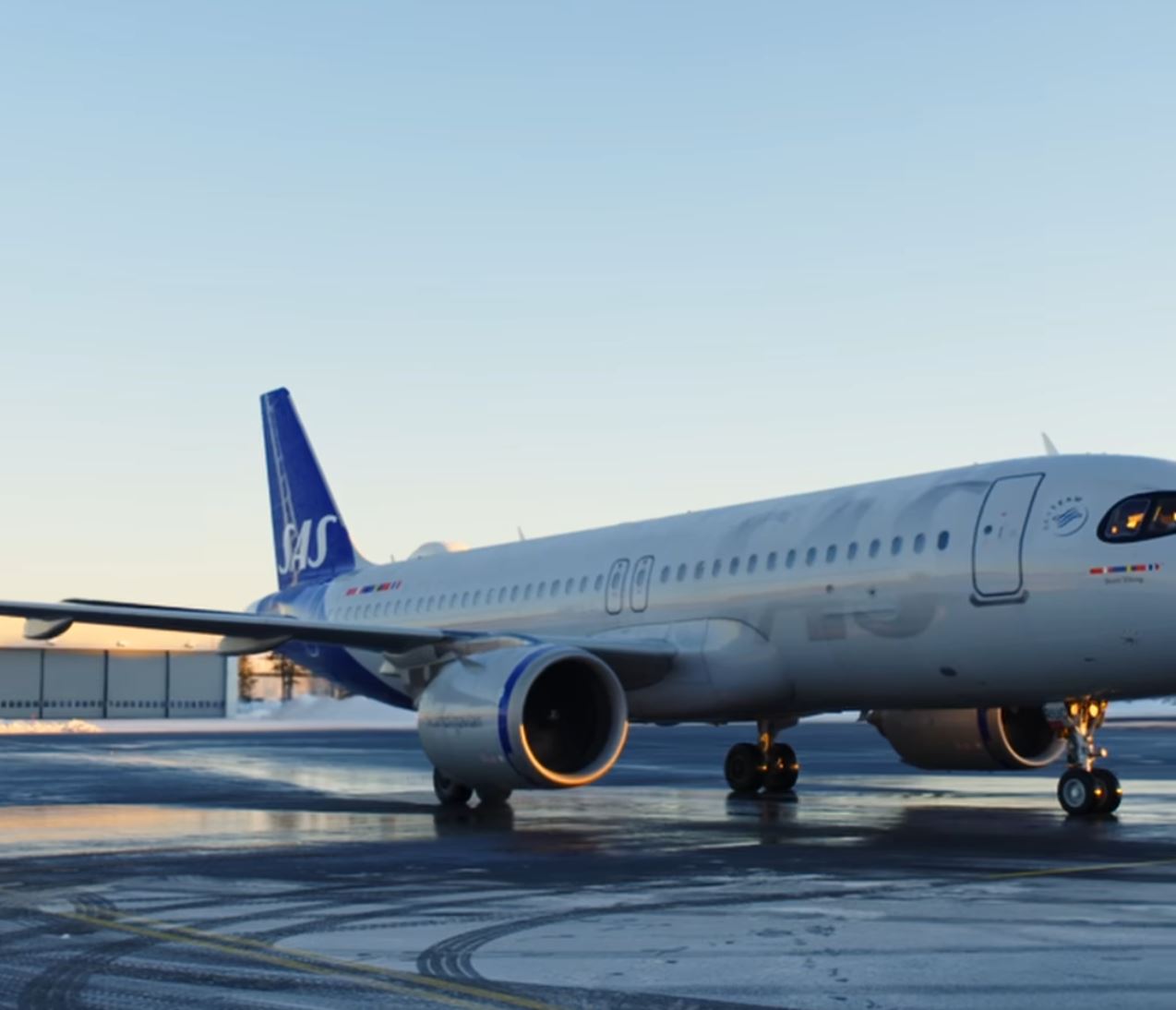
On the evening of Thursday, 5th February, passengers aboard SAS flight SK2590 experienced a potentially catastrophic scenario when the plane, en-route from Brussels to Copenhagen, was mistakenly set to take off from a taxiway instead of the designated runway. The flight crew’s swift reaction in the face of a harrowing situation underscores the vital importance of safety protocols, but also brings to light the often-overlooked pressures faced by pilots, especially during high-stress conditions.
This near-miss incident highlights broader concerns about the increasing pressures on aviation personnel, especially during long workdays and challenging weather conditions. As unions and aviation experts weigh in on the possible causes, a deeper analysis of these contributing factors becomes crucial to improving safety standards across the industry.
The Incident: A Close Call
Shortly after take-off, the flight crew realised they were on the wrong path—on a taxiway, not the intended runway. The pilots were forced to make a sudden and sharp braking manoeuvre to avoid catastrophe. Flightradar24 data showed the plane came to a stop at the end of the taxiway, dangerously close to airport fuel tanks, which could have sparked an even more disastrous outcome.
Kasper Svendsen, Union Secretary of the Danish Aviation Industry Personnel Union, emphasised that despite the grave mistake, the pilots acted appropriately when they realised their error. “They followed the training they have received to the letter,” Svendsen stated, acknowledging the pilots’ professionalism under pressure.
While no injuries were reported, the incident underscores how small mistakes can quickly escalate into dangerous situations. In this case, the timing of the pilots’ discovery of the mistake was critical, as the proximity to the fuel tanks made the situation all the more perilous.
Stress, Fatigue, and Weather: Key Contributors?
In a recording shared by one of the passengers, the captain of the flight expressed his disbelief: “I have a 28-year career, and I have never come close to experiencing this.” He further explained that several factors likely contributed to the error, including the long workday, poor weather conditions, and an overwhelming sense of stress.
Svendsen, a former pilot himself, points out that long hours, challenging conditions, and the cumulative mental and physical toll can sometimes converge, leading to mistakes. “It’s not unusual for all the pressures of the job to build up and create a situation where errors happen,” he explained. “This is especially true during times of high traffic, adverse weather, and the constant time pressures that come with keeping flights on schedule.”
While modern aviation technology and rigorous training programs ensure that pilots can manage their duties under stress, the long-term effects of fatigue and stress are not always easily mitigated. Aviation unions have long advocated for more thoughtful scheduling and workload management to prevent incidents like this from becoming more frequent.
The Crucial Role of Fatigue Management
The aviation industry has made tremendous strides in improving safety. However, Svendsen highlighted that even in the most regulated sectors, human error remains an unfortunate possibility. “Pilots are often subjected to demanding schedules, and with the advent of winter conditions and the necessity for de-icing, delays are common,” he said. While fatigue management programs exist, there remains room for improvement, especially when it comes to ensuring that pilots are not working beyond their limits.
The Norwegian Civil Aviation Authority and similar bodies in Scandinavia have increasingly focused on improving fatigue management protocols. In this case, Svendsen noted that while the pilots’ reaction to the situation was commendable, “this was an exceptional case, and hopefully, the lessons learned will help avoid such close calls in the future.”
Who Is Responsible?
While the pilots are ultimately responsible for the safety of the aircraft, Svendsen highlights that the error might have been prevented if air traffic control had noticed the aircraft’s mispositioning earlier. “Air traffic controllers have a role to play as well. If they notice that a plane is on the wrong taxiway, they must immediately communicate that to the flight crew,” he said.
Despite this shared responsibility, Svendsen reaffirmed that the final duty of ensuring the plane is on the correct runway falls on the pilots. “They are the ones who have direct control of the aircraft, and they are ultimately responsible for verifying that the plane is in the correct position before take-off.”
Moving Forward: The Call for Stronger Fatigue Protocols
SAS has launched an internal investigation into the incident, which is standard protocol in situations where a take-off is aborted. According to Alexandra Lindgren Kaoukji, Communications Manager at SAS, the investigation will examine all factors contributing to the event, but it is too early to draw definitive conclusions. This is a reminder that, while these errors are rare, they must be taken seriously to prevent future incidents.
Svendsen called on employers to take the mental and physical health of their personnel into account. “This should be a wake-up call for aviation companies to reassess their crew scheduling, working hours, and stress-management protocols. It’s crucial that we create an environment that doesn’t risk the safety of passengers or crew members.”
A Broader Implication: The Need for Change
The aviation sector, particularly in Scandinavia, is known for its safety and reliability, but this close call serves as a stark reminder that human error, exacerbated by fatigue and stress, can still lead to potentially disastrous outcomes. Aviation experts and unions are now pushing for comprehensive reforms that not only address the immediate factors contributing to this specific incident but also lead to long-term improvements in pilot well-being and safety standards.
As air travel continues to increase in both volume and complexity, these types of discussions must be prioritised. In the coming months, the Nordic Business Journal will continue to monitor the developments of this investigation and explore the broader challenges faced by the aviation industry in maintaining both safety and pilot well-being.
What’s Next?
Stay tuned for our upcoming article, which will delve deeper into the mental health and wellness programs that are emerging as essential components of fatigue management in the aviation industry. We will also explore the technological innovations that may reduce human error in air traffic control and flight operations.
As always, we encourage our readers to engage with us. Share your thoughts, experiences, or questions on this topic. You can reach us directly via email or connect with us on our social media platforms. Your input is vital in shaping the ongoing conversation about aviation safety.