
STOCKHOLM — When Tuesday’s Nord Pool day-ahead auction settled above 2.00 SEK/kWh nationwide, Sweden experienced its most synchronised price surge in over two years—a development with profound implications for Nordic industrial competitiveness. Unlike previous spikes that isolated southern pricing zones, this event reflects a transformed market architecture where regional buffers have vanished, exposing businesses to continent-wide supply shocks.
The immediate catalyst is textbook Nordic winter stress: near-zero wind generation across the region coincided with sub-zero temperatures driving heating demand to seasonal peaks. Yet the deeper story lies in market integration. Since the November 2025 commissioning of the 400-kV Aurora Line interconnector—a 40% capacity boost between Norrland and Finland—northern Sweden’s historically insulated pricing zone (SE1) has become tightly coupled to continental dynamics. When Finland experiences supply constraints, Swedish hydro and nuclear generation now flow northward at scale, eliminating Norrland’s traditional price advantage and creating nationwide volatility.
Strategic implications for Nordic executives:
This integration presents a dual-edged reality. On one hand, enhanced cross-border capacity strengthens long-term energy security by enabling resource sharing across the Nordic grid—a priority elevated following 2025’s ministerial declarations on regional cooperation amid Baltic Sea infrastructure vulnerabilities. On the other, it compresses arbitrage opportunities that energy-intensive industries (pulp/paper, mining, data centres) previously exploited by locating operations in low-price northern zones.
Critically, the original reporting contained a significant mischaracterisation: Finland did not enter 2026 with Europe’s highest prices. Preliminary 2025 data shows Finland actually achieved the continent’s third-lowest wholesale prices—approximately €21/MWh—thanks to nuclear restarts and robust Swedish imports. Tuesday’s spike represents a temporary weather-driven anomaly, not a structural Finnish deficit. The real vulnerability lies in transmission bottlenecks: when Finnish demand surges during cold snaps, the newly expanded Aurora Line pulls Norrland generation northward faster than southern Swedish renewables can compensate, tightening the entire national system.
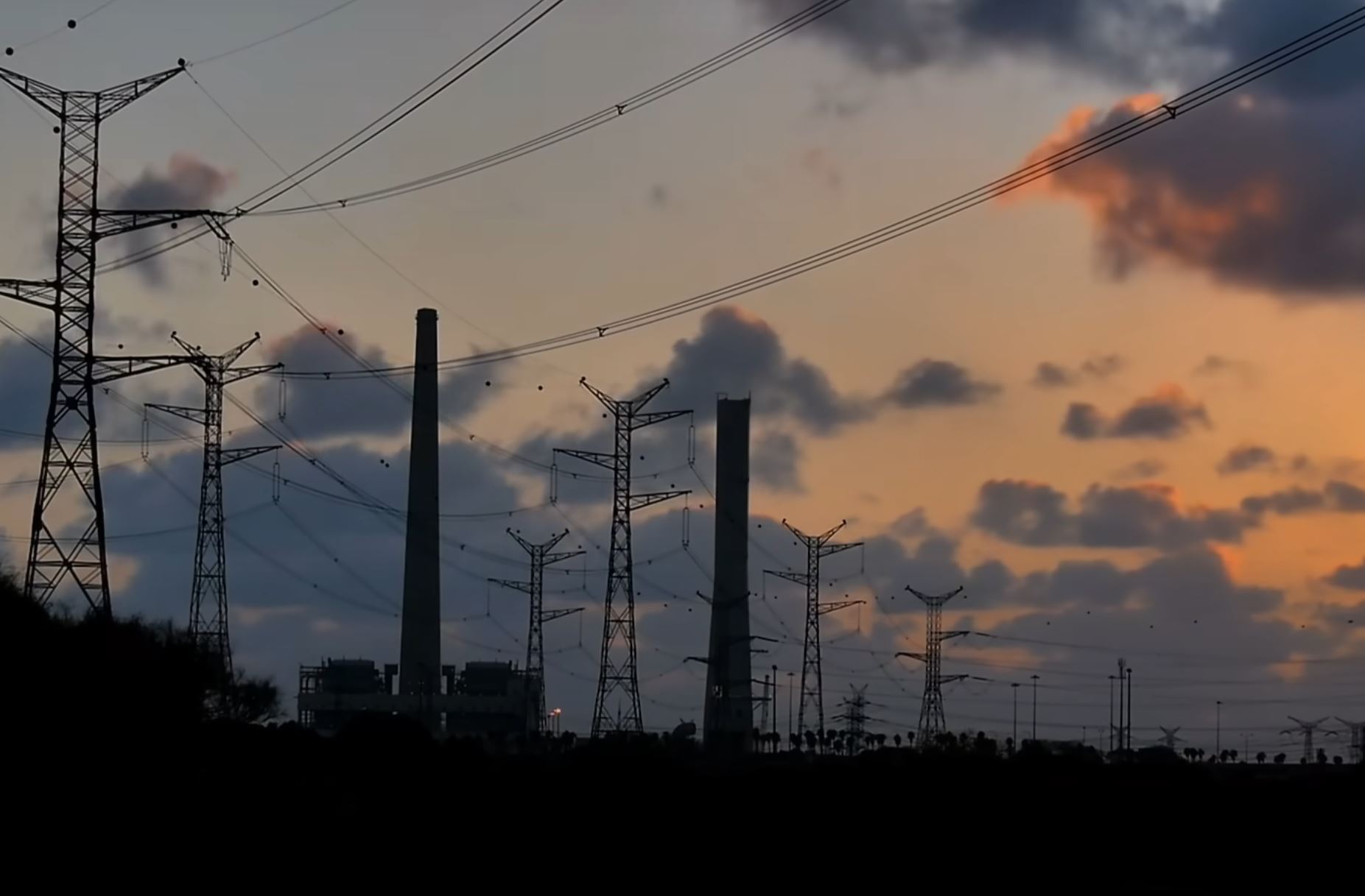
For CFOs and operations leaders, three risk vectors demand attention:
1. Hedging strategy recalibration: Traditional zone-specific hedging no longer suffices. With SE1-SE4 price convergence accelerating, companies must adopt portfolio-wide exposure management across Nordic and even continental futures markets—especially with Nord Pool’s new power futures platform launching in February 2026.
2. Location economics reassessment: Industrial site selection models built on persistent north-south price differentials require updating. The Aurora Line’s full operational impact will manifest through 2026–2027 as market participants optimise cross-border flows.
3. Demand flexibility as competitive advantage: Companies with dispatchable load (e.g., electro-intensive processes with storage buffers) gain outsized value in this new volatility regime. Early movers in AI-driven load shifting are already capturing 15–25% cost advantages during price spikes.
The Nordic energy trilemma—balancing security, affordability, and sustainability—has entered a new phase where market integration solves one challenge while exacerbating another. For Nordic business leaders, the era of passive price acceptance is over; proactive energy portfolio management has become a core competitive discipline.
Next Steps For Nordic Leaders
This analysis raises critical questions about corporate energy strategy in an integrated Nordic market. In our next feature, Nordic Business Journal will investigate how leading industrial firms—including SSAB, Stora Enso, and Northvolt—are deploying AI-driven demand response systems to turn price volatility into profit centres. We’ll also assess whether Nordic transmission expansion plans adequately address emerging bottlenecks between generation-rich north and demand-heavy south.
How is your organisation adapting energy procurement strategy to Nordic market integration? Share insights with our editorial team at insights@nordicbusinessjournal.com —we feature reader perspectives in our monthly Energy Strategy Briefing.