
How Swedish Municipality Faces Challenges in housing provision: Empty Houses But with High Demand for Housing.
A community in Ljusnarsberg municipality is facing a crisis that could set a dangerous precedent for other small municipalities across Sweden. Entire blocks are abandoned, dilapidated apartment buildings line the streets, and the once-bustling community of Ställdalen has become a haunting reminder of the socio-economic challenges facing rural Sweden.
A Growing Housing Crisis
Despite Sweden’s ongoing housing shortage, with an estimated 110,000 homes needed, the number of vacant public housing apartments has reached troubling levels. In just one year, the number of empty public housing units doubled, from 3,780 to 7,354. According to recent data from Statistics Sweden, by September 2024, the total number of empty rental apartments across the country surged to 20,246 — a significant increase from the previous year.
The situation is particularly concerning given the broader context. Nearly 40% of Swedish municipalities are grappling with an increasing number of empty apartments, a dilemma exacerbated by a declining population in certain areas. For municipalities like Ljusnarsberg, this isn’t just a housing problem; it’s an existential one.
Ställdalen’s Struggles: From Prosperity to Ruin
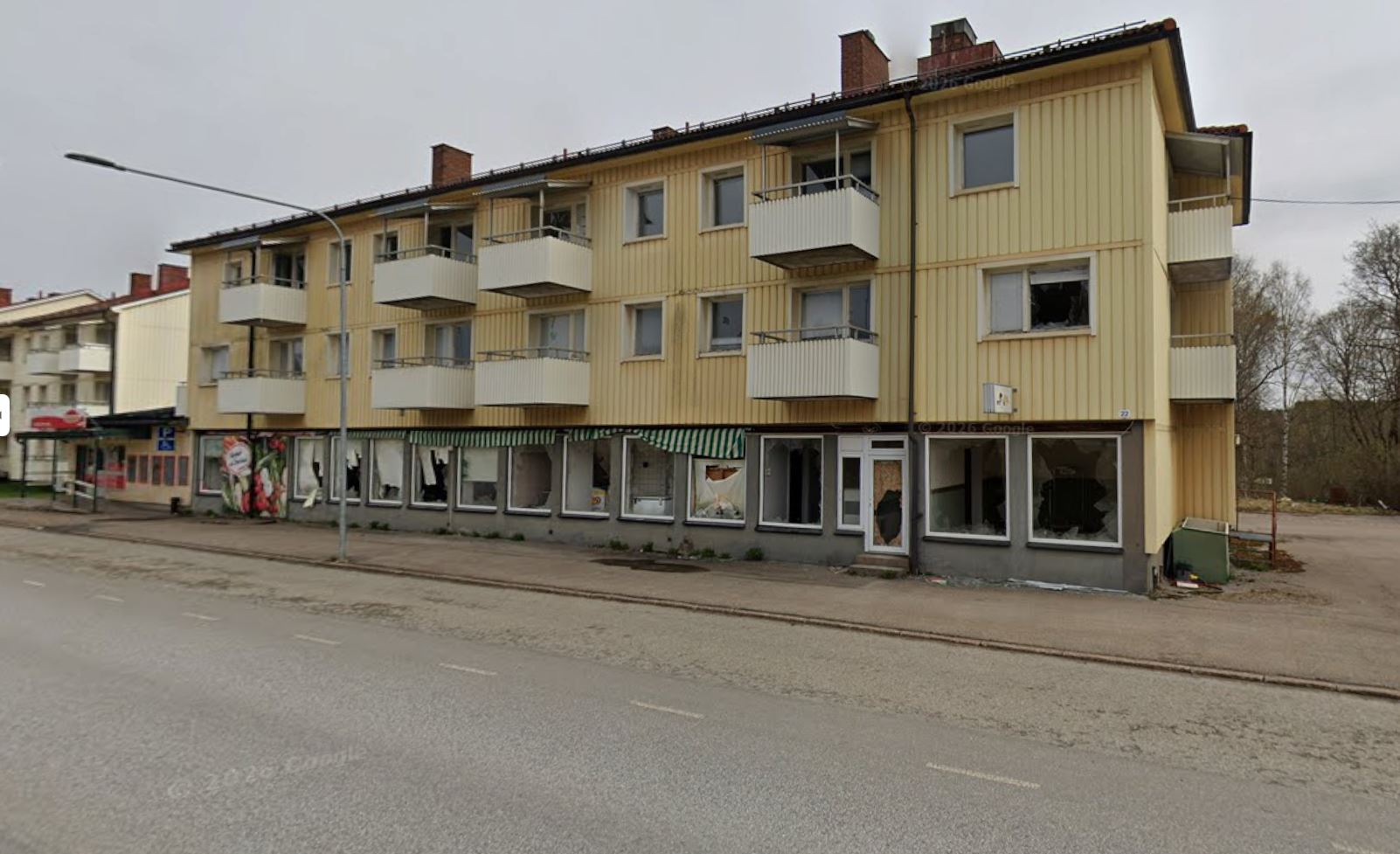
Ställdalen, a community within Ljusnarsberg, is the epicentre of this crisis. Once a thriving area bolstered by the mining industry, Ställdalen now faces the ruins of abandoned apartment buildings that were once homes to many. Broken windows, destroyed apartments, and walls infested with mould paint a grim picture of the area’s rapid decline.
“What’s happening here looks like a war zone,” says Natalie Hart, chairwoman of the municipal board. The buildings, left in disrepair, have become targets for vandalism. Locals, like Arne Kisk, recount stories of vandalism that escalate with each passing day. From shattered windows to stolen door handles, the damage is more than a sign of decay; it feels like a deliberate act of destruction.
“People come here just to destroy,” says Kisk, referring to what some are calling “vandalism tourism.” This phenomenon, where outsiders travel specifically to damage the property, has worsened over time, creating a vicious cycle that leaves the community reeling.
Economic and Social Struggles: A Long-Term Decline
The problems in Ställdalen are a microcosm of the broader challenges facing Ljusnarsberg. The decline of the mining industry in the 1970s led to a slow but steady exodus of people, a trend that continues today. Additionally, Ljusnarsberg has the highest proportion of residents in Sweden with debts to the Swedish Enforcement Authority—9.3% of the population.
While the municipality welcomed a number of asylum seekers during the 2015 refugee crisis, the mass migration led to further strain. Asylum housing properties became abandoned after the Swedish Migration Agency moved individuals from these areas. Properties were subsequently neglected, heating systems were turned off, pipes froze, and water leaks became common. This cycle of neglect, coupled with vandalism, has left the municipality struggling to regain any sense of normalcy.
A Deadlock: The Dilemma of Abandoned Properties
The issue with the empty buildings in Ställdalen is compounded by ownership complexities. The municipality does not own the properties, making it difficult to take action. Attempts to purchase the buildings have been blocked by their owner, who is demanding a hefty 15 million kronor for the deteriorating assets.
Municipal manager Mikael Pulkkinen has made it clear that this price tag is untenable. “It will not be a 15 million kronor deal,” he remarked, highlighting the financial burden on a small municipality with limited resources. Even if the municipality were to consider demolishing the buildings, the cost could rise as high as 30 million kronor—another unsustainable expense.
A Struggle for Survival
For Natalie Hart and other local leaders, the current situation represents more than just a housing crisis. It is a fundamental threat to the future of Ljusnarsberg. “Yes, it is,” she acknowledges when asked if the abandoned properties endanger the municipality’s survival.
Yet, Hart refuses to give up hope. “We can’t just lie down and die,” she asserts. Despite the challenges, the residents of Ljusnarsberg remain committed to their community. “I love Ställdalen, regardless of those houses,” she adds, holding onto the belief that the town can find a way forward.
Analysis: What This Means for Sweden’s Rural Municipalities
Ljusnarsberg’s struggles are emblematic of a larger trend affecting rural municipalities throughout Sweden. As the population in these areas dwindles, there is a growing challenge in maintaining infrastructure, addressing economic inequalities, and finding sustainable solutions for housing. While urban areas are booming, rural communities like Ljusnarsberg are often left behind, caught in a vicious cycle of depopulation, economic decline, and neglect.
The government must rethink its approach to rural development. Policymakers need to adopt innovative solutions to attract residents to these areas—whether through incentives for businesses, better infrastructure, or targeted housing projects. At the same time, addressing the current housing shortage in urban centres cannot be done at the expense of rural municipalities. There needs to be a more balanced approach that considers both urban growth and rural revitalization.
As the situation in Ljusnarsberg highlights, a failure to address these challenges will lead to even more abandoned homes, rising vandalism, and a continued decline in quality of life. The crisis in Ställdalen is a warning shot for Sweden’s rural municipalities, and the country must act before other communities reach the same breaking point.
Looking Ahead: The Future of Swedish Municipalities
In the next edition of Nordic Business Journal, we will explore the broader economic and social impacts of Sweden’s rural housing crisis. We will also analyse potential solutions for municipalities facing similar challenges, from policy interventions to community-driven regeneration projects.
Stay Connected
We encourage our readers to connect with us and share their thoughts on this important issue. What solutions do you think could help reverse the decline of rural municipalities like Ljusnarsberg? Share your insights with us as we continue this vital conversation.