
For months, the business world has braced for an AI-driven decimation of white-collar jobs. Yet, a new wave of critical data suggests this narrative faces an unexpected roadblock—not from the factory floor, but from the C-suite itself.
According to a global survey by IT education provider Udacity, the desire to swap employees for algorithms is meeting fierce internal resistance. A staggering majority of leaders and managers prefer working with humans, with only 9% endorsing a fully automated workforce. For Nordic leaders operating in cultures defined by flat hierarchies and social trust, this resistance validates a deeply held philosophy.
The Innovation Paradox
The core argument against a human-free workforce is strategic, not sentimental. Udacity found that 62% of respondents believe AI lacks the capacity to create novel products. As Udacity’s COO Victoria Papalian notes, “AI is retrospective. True innovation requires intuition that does not exist in any dataset.” In the Nordics, where human-centric innovation is a competitive advantage, this limitation is acute. A machine can optimise a supply chain, but it cannot empathise with the unarticulated needs of a user.
The ‘Employment Pyramid’ at Risk
Beyond creativity, leaders face a structural crisis. Dimitri Boylan, CEO of Avature, highlights the risk to the “employment pyramid.” His research shows 76% of HR managers worry AI will decimate new hires. “If you stop hiring juniors, you sever the pipeline for future leaders,” Boylan explains. In Nordic economies where “tryghed” (security) and long-term development are fundamental, a halt in graduate recruitment could create a leadership gap that takes decades to repair.
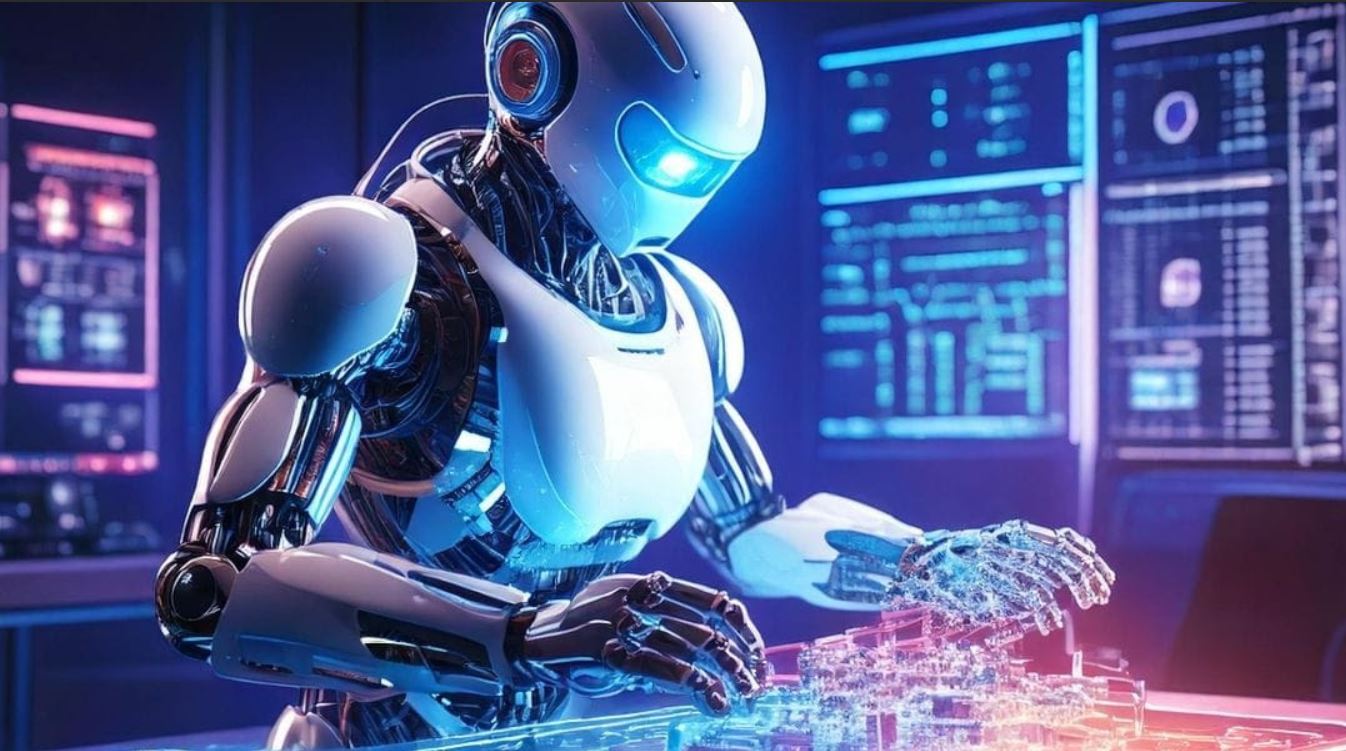
The 2026 Reality Check
The conversation has matured since the initial panic of 2024-25. While headlines tout AI-driven layoffs—RationalFX estimates ~28.5% of 2025 tech layoffs were AI-linked—experts urge nuance. Dan Turchin of Peoplereign argues these figures often obscure motives like post-pandemic over-hiring. “Empathy, rational judgment, and coaching—these are parts of human nature we don’t want to automate,” he asserts.
This is reinforced by the EU’s AI Act (fully in force in 2026), which mandates human oversight, acting as a natural brake on reckless automation.
The Nordic Synthesis: Augmentation, Not Replacement
Forward-thinking Nordic companies are moving beyond “human vs. machine” and embracing the Augmented Workforce. They view AI as a “co-pilot” that handles mundane tasks, freeing humans for complex work. As Eric Kingsley of Kingsley Szamet Employment Lawyers notes, “Employees create a workplace culture that AI cannot replicate.” In high-trust societies, protecting that culture is paramount.
The “power couple” of the future, as described by Papalian, is the worker combining tech literacy with human insight. This is the new “tryghed”: not job security in a static role, but employability through a dynamic blend of skills.
We are navigating the “Productivity Paradox”—the lag between a new technology and its economic benefit. The immediate threat is not mass unemployment, but a “talent bottleneck” caused by stalled junior recruitment. The winners will be those who resist short-term cost-cutting and view AI as a multiplier for their people, not a replacement for them.
Nordic Business Journal Insight & Next Steps
This analysis suggests the pressing issue is a coming “talent bottleneck” due to stalled graduate hiring. In our next issue, we investigate how Nordic companies like Novo Nordisk and Volvo are redesigning programs to prepare the next generation for an AI-augmented workplace.
We value your perspective. Connect with the Nordic Business Journal on LinkedIn or subscribe at www.nordicbusinessjournal.com to join the conversation.