
In the early hours of a Sunday morning, the quiet diplomacy of the Nordic region was shattered by an explosion at the US Embassy in Oslo. What initially appeared as an isolated incident has rapidly evolved into a complex security crisis, leading to the arrest of three brothers on suspicion of terrorist bombing. For the Nordic business community, this event is more than a news headline; it is a stark reminder of how global geopolitical tensions can manifest on our doorstep, with direct implications for security protocols, foreign investment, and international corporate operations.
According to Norwegian broadcaster, NRK, the three individuals, all Norwegian citizens originally from Iraq and previously unknown to police, are suspected of violating Section 138 of the Penal Code concerning terrorist bombings. Police prosecutor Christian Hatlo confirmed that the attack involved a homemade explosive device (IED) placed at the embassy’s entrance. While no injuries were reported and damage was minimal, the strategic selection of the target has sent ripples far beyond the crime scene.
An Evolving Threat Landscape: From Local Act to State-Sponsored Act?
The immediate response from Oslo police has been commendable, with swift arrests and the securing of crucial surveillance footage. However, it is the investigation’s trajectory that holds the most significant implications. Police Chief Grete Metlid and prosecutor Christian Hatlo have been candid, stating they are exploring “several hypotheses,” including the chilling possibility that the attack was carried out “on behalf of a state actor.”
This line of inquiry marks a critical juncture. If proven, it would elevate the incident from a lone-wolf or small-cell terrorist act to a potential proxy operation on Norwegian soil. Such a finding would fundamentally alter Norway’s threat assessment and necessitate a complete overhaul of diplomatic security cooperation within the Nordic region. It underscores a new reality: the Nordic countries, long perceived as stable and secure havens, are now arenas for broader geopolitical confrontations, particularly linked to the volatile situation in the Middle East and the evolving conflict between Iran and the United States.
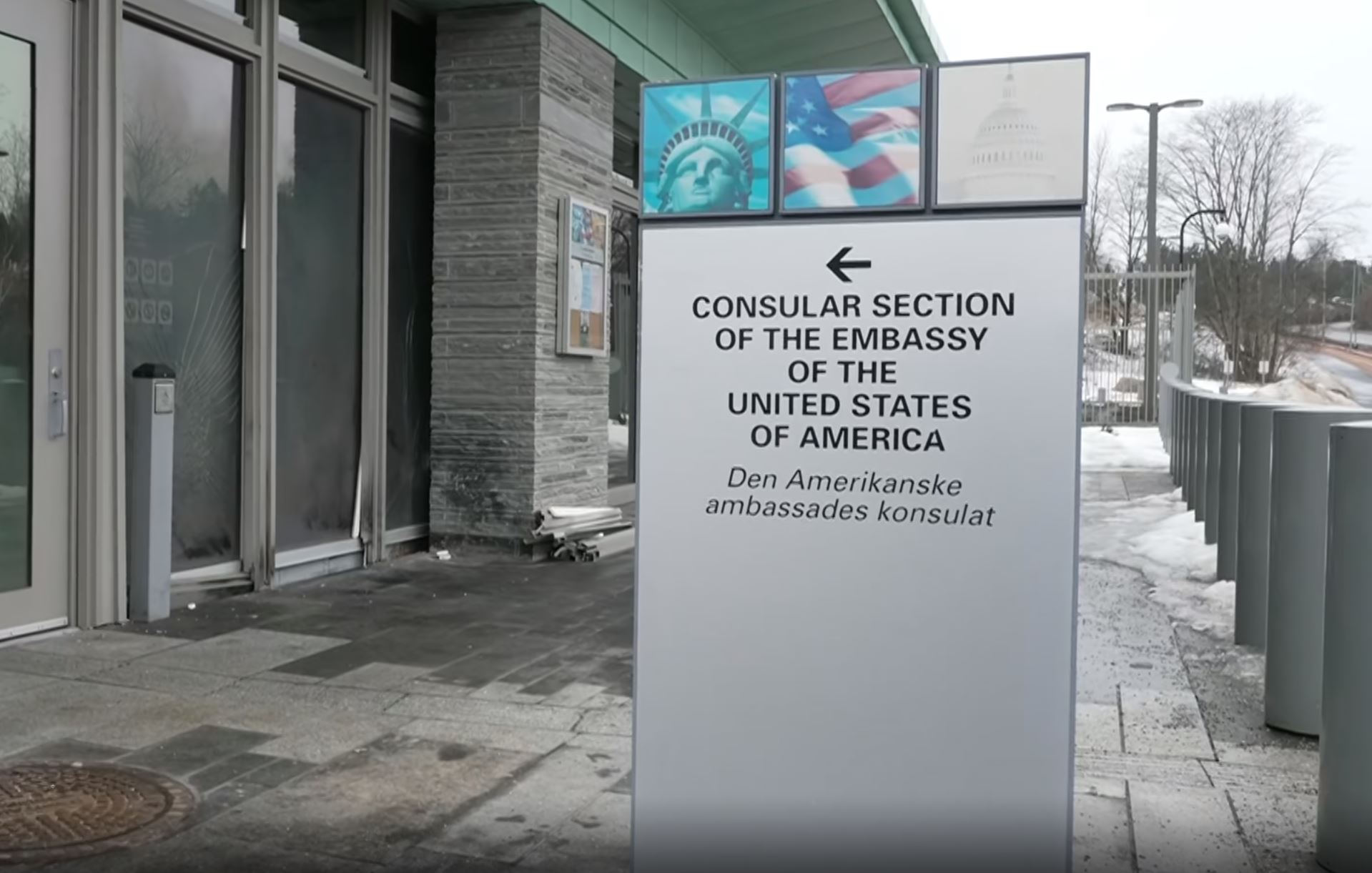
The Immediate Aftermath and the FBI’s Role
In the days following the blast, the Oslo Police District has worked in lockstep with the PST (Norwegian Police Security Service) and has established contact with the US Federal Bureau of Investigation (FBI). This transatlantic collaboration is standard procedure but also signals the gravity with which American authorities are treating the attack on their diplomatic mission.
The police have confirmed they are investigating whether the suspects have ties to criminal networks, adding another layer of complexity. The intersection of organised crime and political violence is a growing concern for European security agencies. As of this week, security cordons remain in place around the embassy, and police have maintained an elevated presence at key sites across the capital.
Analysis: What This Means for Business in the Nordic Region
For the readers of the Nordic Business Journal, this incident transcends security politics and enters the realm of operational risk.
1. Supply Chain and Travel Security: Companies with employees travelling to or based in Oslo, Stockholm, and other major Nordic cities must reassess their duty of care obligations. The US Embassy in Stockholm’s immediate warning to American citizens to “be extra aware of their surroundings” is a trigger for corporate risk managers to update travel advisories and crisis communication plans.
2. Investor Confidence and Stability: The Nordic brand has long been synonymous with stability. While this single event does not dismantle that reputation, a series of such incidents, or a confirmed link to state-sponsored terrorism, could incrementally affect the perception of safety that attracts international headquarters and events to the region.
3. The New Normal for Security Spending: This attack will accelerate investment in physical and cyber security for diplomatic missions, multinational corporations, and high-profile public venues. We can anticipate a surge in demand for advanced surveillance technology, perimeter security solutions, and security consulting services across the Nordic-Baltic corridor.
A Look Ahead
As the investigation unfolds, the key questions for the business community remain unanswered. Was this a desperate act by individuals, a calculated move by a criminal group, or a message from a state actor? The answer will define the future security landscape of the Nordic region.
The coming weeks will be critical as Norwegian authorities delve into the suspects’ digital footprint, travel history, and communications. The potential for further arrests looms, and the outcome of the forensic analysis on the IED could provide crucial links to external actors or organisations.
FOLLOW-UP DIRECTION:
In our next edition, the Nordic Business Journal will investigate the evolving “security economy” in the Nordic region. We will analyse how businesses—from critical infrastructure operators to multinational corporates—are adapting their security strategies in response to this new, more volatile geopolitical climate. We will explore the technologies, partnerships, and protocols being deployed to safeguard assets and personnel.
CONNECT WITH US:
What does this shift in the security landscape mean for your organisation? We invite our readers to share their perspectives and insights. To continue the conversation or to suggest future topics, please contact our editorial team or connect with us on LinkedIn.