
Sweden’s alcohol monopoly seeks operational efficiency through extended logistics hours, while the government holds the line on retail access. What this tells us about the future of Nordic alcohol policy.
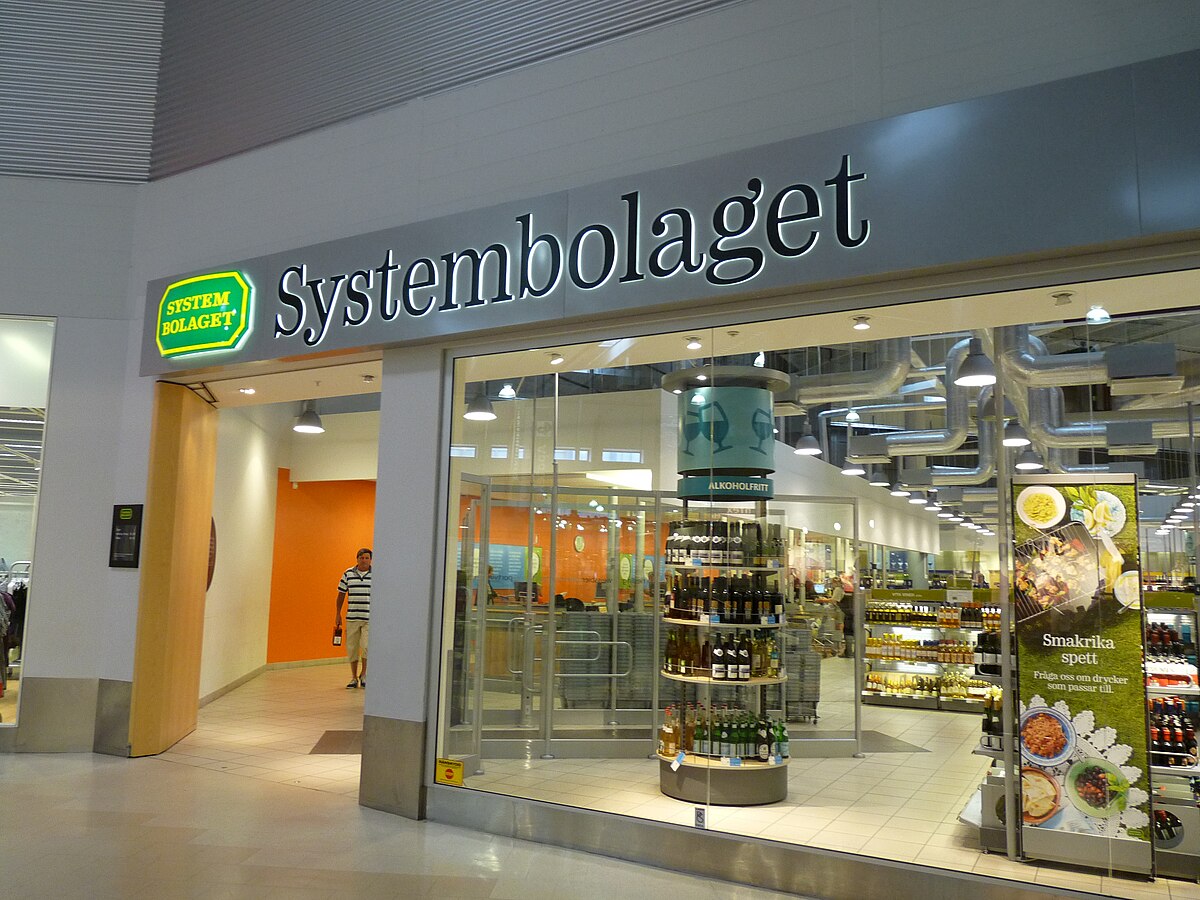
Systembolaget, Sweden’s state-owned alcohol retailer, is renewing its push to extend home delivery hours beyond current restrictions—a move that would allow consumers to receive alcohol orders outside the monopoly’s strict retail opening times (weekdays until 20:00, Saturdays until 15:00, closed Sundays). The proposal, recently raised in discussions with the government, highlights a growing tension between operational modernization and Sweden’s century-old public health framework for alcohol control.
Health Minister Elisabet Lann (Christian Democrats) has indicated openness to the logistics reform, citing economic and environmental benefits. “It becomes unnecessarily expensive for Systembolaget when deliveries must be completed before stores close,” Lann noted, pointing to inefficiencies in current routing that force drivers to compress deliveries into narrow windows. However, she has explicitly ruled out any extension of physical store hours, citing public health imperatives: “That’s not on the table.”
This positioning reflects the delicate balancing act facing Sweden’s centre-right government. While committed to “freedom reforms”—including the landmark June 2025 legislation allowing limited farm sales at breweries and distilleries—the administration remains cautious about measures that could increase alcohol availability or trigger EU scrutiny of the monopoly’s compatibility with single market rules.
The Strategic Context: Digital Transformation vs. Physical Control
Systembolaget’s delivery request signals a deeper strategic pivot. Since launching nationwide home delivery in late 2021 after a two-year pilot, the monopoly has faced the operational reality that e-commerce logistics operate on different rhythms than brick-and-mortar retail. Current regulations require all deliveries to occur within store operating hours, creating costly inefficiencies: drivers must navigate traffic-congested daytime routes, and same-day or evening delivery—standard expectations in other retail sectors—remain impossible.
The monopoly frames this as responding to “a major shift with changing customer behaviour and increased demand for digital purchases and more flexible delivery solutions.” This is not merely about convenience; it’s about operational economics. Delivery windows restricted to 10:00–20:00 weekdays and 9:00–15:00 Saturdays force suboptimal route density and higher per-unit delivery costs—expenses ultimately borne by consumers through fees (currently starting at approximately SEK 150 per package) or absorbed by the state enterprise.
Policy Implications: The New Swedish Compromise
The government’s likely direction—allowing extended delivery hours while maintaining retail restrictions—represents an emerging policy template: liberalize logistics, preserve access barriers. This approach attempts to satisfy three constituencies simultaneously:
1. Operational efficiency advocates (reduced transport costs, lower carbon emissions through optimised routing)
2. Public health stakeholders (no increase in physical availability or impulse purchasing opportunities)
3. EU compliance watchers (maintaining the monopoly’s core retail restriction that justifies its exemption from internal market rules)
Recent research supports this cautious stance. A major government inquiry (SOU 2026:7) submitted in January 2026 concluded that both the retail monopoly and alcohol taxation remain “important tools for limiting alcohol consumption and reducing harm.” The report estimated that abolishing the monopoly would increase retail outlets by 800% and consumption by 16%—a risk no Swedish government is currently willing to take, despite pressure from some industry voices.
The Nordic Comparison: Sweden vs. Finland
Sweden’s approach contrasts with neighbouring Finland, which in June 2024 raised the alcohol content limit for grocery store sales from 5.5% to 8% ABV—a more significant liberalization than anything currently contemplated in Stockholm. Finland’s move reflects different political calculations: less concern about EU challenges and different public health risk assessments.
Yet both Nordic monopolies face similar pressures: aging populations with established drinking patterns, growth in digital commerce expectations, and the need to demonstrate that state retail control can adapt to modern consumer behaviour without compromising health outcomes. Sweden’s delivery-hour reform, if approved, would position Systembolaget as the more digitally agile monopoly while maintaining stricter physical access controls than Finland.
Business Impact Analysis
For the beverage industry, the proposed change carries mixed implications:
Winners: Third-party logistics providers and Systembolaget’s distribution partners would gain operational flexibility. Premium and niche producers may benefit from improved delivery service levels for online orders, potentially capturing consumers who currently choose retail visits based on convenience rather than product preference.
Neutral/Systemic: The reform is unlikely to significantly impact total alcohol volume or market structure. The inquiry data suggests Sweden’s alcohol consumption has already declined 23% between 2004–2024, with the monopoly and high taxation levels cited as key contributors to this trend.
Risks: Any perception that Sweden is eroding its monopoly’s “exclusive” character could invite EU Commission scrutiny. The 1995 accession exemption allowing Systembolaget’s existence remains contingent on demonstrating that the monopoly serves public health purposes not achievable through less restrictive measures. Extended delivery hours, if poorly justified, could become evidence in future legal challenges.
Looking Forward: The Farm Sales Precedent
The delivery-hours debate occurs alongside Sweden’s most significant alcohol policy reform in decades: the June 2025 farm sales legislation permitting limited direct-to-consumer sales at production facilities. That reform—heavily restricted to small producers (under 75,000 litres spirits/400,000 litres beer annually), capped at 0.7L spirits or 3L wine/beer per visitor, and requiring paid educational tours—demonstrates the government’s template for “freedom reforms”: symbolic liberalization with strict volume and access controls.
Minister Lann’s parallel move to abolish the food-serving requirement for alcohol service venues (announced March 2026, effective summer 2026) further illustrates this government’s prioritization of hospitality industry flexibility over traditional availability restrictions—while maintaining the core retail monopoly intact.
The Parliamentary Hurdle
Systembolaget’s request faces procedural complexity. Any change to delivery hours requires parliamentary approval, not merely ministerial discretion. The government has indicated it will investigate whether delivery extensions can be decoupled from store opening hours—a legal question with implications for how Sweden implements its alcohol policy framework.
This creates a window for stakeholder engagement. Industry associations, public health advocates, and logistics operators will likely weigh in during any pre-legislative consultation. The centre-right minority government’s reliance on support from parties like the Liberals and Centre Party—who have historically favoured more liberal alcohol policies—suggests the reform has viable political path, provided it maintains clear public health guardrails.
Analysis: What This Means for Nordic Business
Systembolaget’s delivery push represents a broader trend in Nordic state enterprises: leveraging digital infrastructure to improve operational efficiency while preserving policy mandates. For business leaders, this case illustrates how regulated markets can modernize logistics without dismantling protective frameworks—a model potentially applicable to other sectors with public health or environmental rationales for restricted access.
The government’s likely approval of extended delivery hours—while maintaining retail restrictions—would establish a precedent for “invisible” liberalization: reforms that improve consumer convenience and business efficiency without increasing measurable availability or consumption. This approach may prove exportable to other Nordic policy domains where traditional restrictions face pressure from digital transformation.
Key metrics to watch: Systembolaget’s delivery cost per unit (currently high due to restricted windows), customer satisfaction scores for digital channels, and any EU Commission commentary on Swedish alcohol policy developments.
Next in Our Coverage: Nordic Business Journal will examine how Finland’s 2024 grocery store alcohol expansion is reshaping beverage retail economics and whether Swedish producers are gaining competitive advantages through the new farm sales channel. We’ll also analyse Q1 2026 Systembolaget financial data to assess whether digital transformation is offsetting structural volume declines in the monopoly’s traditional retail business.
Connect with us: Follow our Nordic regulatory coverage at www.nordicbusinessjournal.com or contact our Gothenburg bureau to contribute industry perspectives on this evolving policy landscape.
Sources: SVT internal documents; Swedish Government Official Reports (SOU 2026:7); interviews with Minister Elisabet Lann; Systembolaget corporate communications; Nordic Alcohol Policy Research Network analysis.