
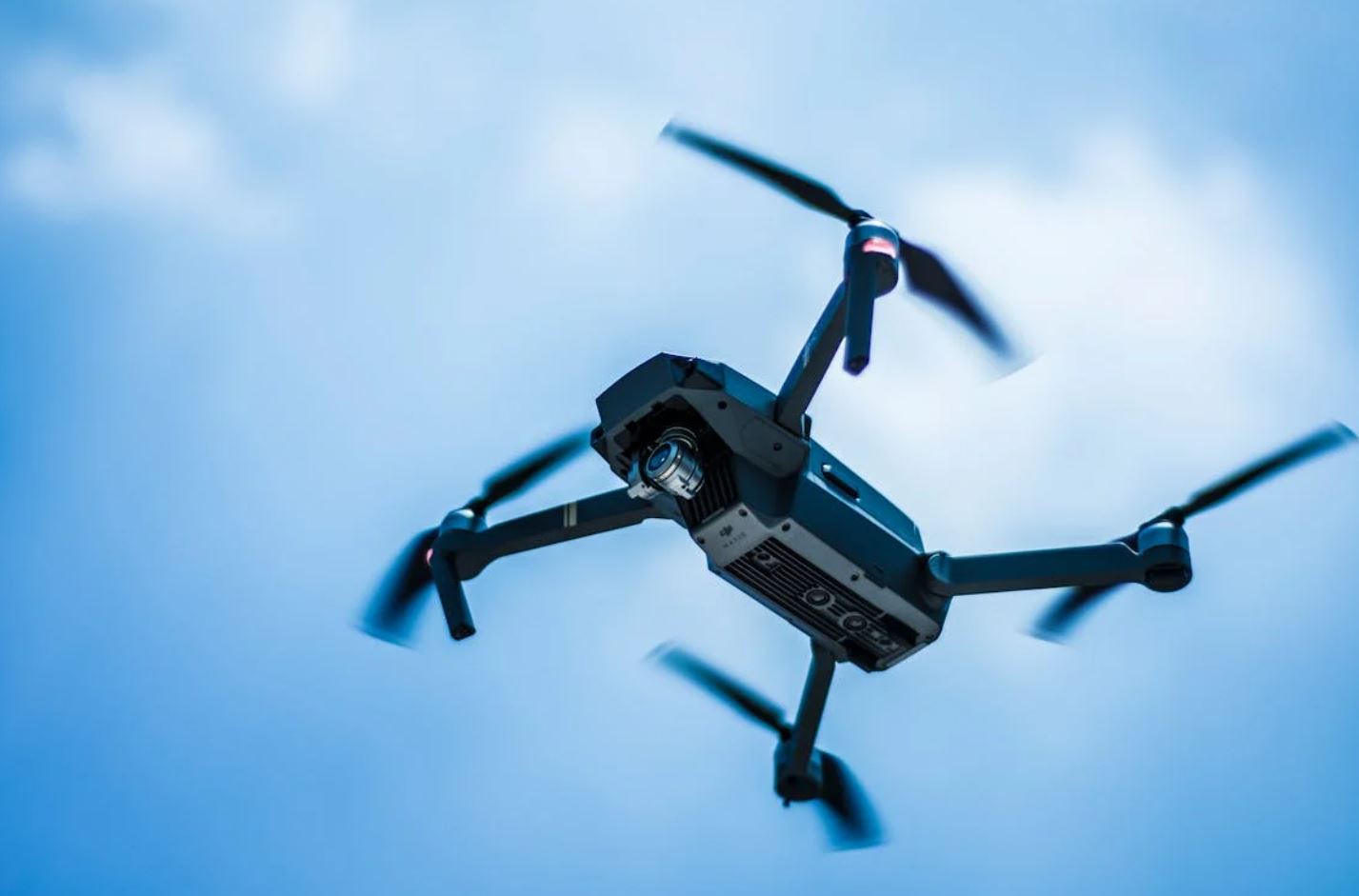
KOUVOLA, FINLAND — Two unmanned aerial vehicles (UAVs) crashed in southeastern Finland over the weekend, marking the latest instance of the ongoing conflict in Eastern Europe spilling over into Nordic territory. While Finnish authorities have moved quickly to reassure the public and markets that there is no immediate military threat, the incident underscores a growing volatility in the region that business leaders, logistics operators, and investors can no longer ignore.
The Finnish Defence Forces confirmed that the drones, which landed near Kouvola on Sunday morning, are believed to be of Ukrainian origin, likely diverted from attacks on Russian energy infrastructure in the Gulf of Finland. President Alexander Stubb addressed the nation shortly after the incident, emphasizing stability.
“I emphasize that Finland is not facing any military threat,” President Stubb said in a statement aimed at maintaining public calm and market confidence. “The investigation into the events continues… Finland is prepared to monitor and protect its territory.”
Correcting the Record: Geography and Logistics
Contrary to early reports suggesting proximity to the capital, Kouvola is located approximately 135 kilometres northeast of Helsinki. This distinction is vital for risk assessment. Kouvola is not merely a residential area; it is a critical logistics hub for Finland, serving as a major railway junction connecting Helsinki to the east and north.
While no injuries were reported and physical damage appears limited, the presence of foreign military hardware in a key transit node highlights the vulnerability of supply chains in the “grey zone” between NATO and Russian spheres of influence.
The Business Implication: Risk, Insurance, and Defence
For the readership of the Nordic Business Journal, these incidents transcend headline news. They represent tangible shifts in the operational environment:
1. Supply Chain Resilience: As Ukraine escalates attacks on Russian oil ports in the Baltic Sea—critical nodes for the Russian shadow fleet—the probability of navigation errors or electronic warfare interference affecting civilian corridors increases. Logistics firms operating in the Gulf of Finland must now factor “conflict spillover” into their contingency planning.
2. Insurance Premiums: Repeated airspace violations across the Baltics (including recent incidents in Lithuania and Poland) may trigger reviews of war-risk insurance premiums for aviation and maritime transport in the Nordic-Baltic region.
3. Defence Sector Opportunities: The Finnish Defence Forces’ decision to increase drone surveillance on the eastern border signals sustained government spending on security technology. This presents continued opportunities for Nordic defence tech firms specialising in detection, counter-UAV systems, and airspace monitoring.
A Pattern of Escalation
This is not an isolated event. Monday night saw a drone crash into a lake in southern Lithuania, also suspected to be a Ukrainian UAV disrupted by Russian electronic warfare.
Lieutenant Colonel Johan Huovinen, a teacher at the Finnish National Defence University, warns that the frequency of such incidents is likely to rise. “I think we will see more of this,” Huovinen noted. He estimates that up to 400 drones may have been deployed in the region over the course of a single week during recent escalations.
“The scale of the attacks, combined with Russia’s ability to disrupt navigation systems, makes accidents more or less inevitable,” Huovinen explained. While diplomatic notes will be exchanged, the physical reality is that the Baltic airspace is becoming increasingly congested and contested.
NATO Context and Regional Stability
Finland’s accession to NATO in 2023 has altered the security calculus. While President Stubb’s reassurance holds true regarding a direct invasion, the alliance’s eastern flank is now the frontline for hybrid threats.
SVT security reporter John Granlund noted the nuance of the situation: “These are serious incidents. It’s about Ukraine using all available means to try to defend itself… I think the EU countries have some leniency with that.” However, from a business continuity perspective, leniency does not mitigate the risk of collateral damage to infrastructure.
Outlook: Preparedness as a Competitive Advantage
Police Chief Olli Töyräs confirmed that authorities are investigating the incident as a suspected violation of Finnish territory and “gross public danger.” The priority remains rendering objects harmless and identifying their technical specifications.
For the Nordic business community, the takeaway is clear: The region remains safe for investment and operation, but the era of assuming total peripheral stability is over. Companies with assets in the eastern Nordic regions should review their crisis communication protocols and ensure alignment with national emergency readiness guidelines.
As Major General Timo Herranen of the Finnish Air Force noted, drones were monitored but not engaged, suggesting a calibrated response designed to avoid escalation while maintaining sovereignty. This measured approach suggests that while the threat environment is evolving, Finnish institutions remain robust and capable of managing risk without disrupting the economic engine.
Editor’s Note & Next Steps
Follow-Up Direction:
In our next issue, Nordic Business Journal will explore the “Economic Cost of Hybrid Warfare.” We will analyse how increased defence spending in Finland and Sweden is reshaping the local tech ecosystem and what this means for private sector innovation partnerships. We will also interview risk assessment firms to determine how war-risk insurance models are adapting for the Baltic Sea region.
Connect With Us:
Are you operating in the Nordic-Baltic logistics or defence sector? Do you have insights on how geopolitical instability is affecting your supply chains? We want to hear from you.
- Submit a tip or story idea: editor@nordicbusinessjournal.com
- Join the conversation: Follow us on LinkedIn @NordicBusinessJournal
- Subscribe: For deep-dive analysis on Nordic security and economy, visit www.nordicbusinessjournal.com/subscribe