
A 2024 report from SLU Artdatabanken (Swedish Species Information Centre) reveals a remarkable, yet concerning trend: since the 19th century, Sweden has gained 63 new vertebrate species. While at first glance this may seem like a positive sign of growing biodiversity, experts argue that these “gains” may be masking deeper environmental challenges.
In an era marked by climate change and human intervention, the landscape of Sweden’s ecosystems is shifting in ways that demand attention. Ecologists and the Swedish Environmental Protection Agency (SEPA) caution that these changes are not an unqualified sign of ecological health. Instead, they reflect the complex consequences of human influence, climate-driven migration, and the decline of native species.
The Dark Side of “New” Species
While the addition of new species might sound like an ecological success, the reality is more nuanced. Many of these newcomers are invasive or alien species introduced, either intentionally or accidentally, by humans. These species often disrupt local ecosystems rather than enhance them.
Invasive and Alien Species: Take, for example, the raccoon dog (Mårdhund) and the round goby (Svartmunnad smörbult), both of which have been introduced to Swedish ecosystems with detrimental effects. These species outcompete native organisms, overpowering local wildlife and reducing biodiversity.
Climate-Driven Migration: Rising temperatures are pushing species northward. While this shift leads to an increase in species diversity, it also signals the decline of specialized Arctic or alpine species that cannot adapt to warmer climates. As some species thrive in new habitats, others—especially those adapted to colder environments—are disappearing.
Habitat Decline: The same period that has seen the arrival of new species has also witnessed the dramatic decline of native species. The Swedish Red List, which is updated every five years, currently identifies around 22% of species as threatened—up 11% from 2015. Old-growth forests and pristine natural environments that once supported Sweden’s unique wildlife are vanishing under the pressure of modern land-use practices.
Homogenization of Ecosystems: The total species count may rise, but ecosystems are becoming increasingly “uniform.” Generalist species that can thrive in various environments are replacing those that require specific, often fragile, habitats. This leads to the erosion of Sweden’s ecological diversity, which in turn weakens the resilience of its ecosystems.
A Complex Picture: The 63 New Species
The “63 new vertebrate species” figure, derived from SLU Artdatabanken’s 2024 synthesis, paints a picture of ecological change that is not solely beneficial. These species primarily fall into three categories: invasive aliens, climate migrants, and recovered species.
Examples of the “New” Species:
- Invasive/Introduced Mammals: Mink, Raccoon Dog, and Mouflon.
- Climate Migrants (Birds): Species like the Great Egret (Ägretthäger) and Red Kite (Glada) have expanded northward.
- Aquatic Newcomers: The Round Goby and various introduced salmonid species are altering Sweden’s aquatic ecosystems.
- Reintroduced Species: The European Otter (Utter) and Beaver (Bäver), once nearly extinct, are returning to Swedish waters and forests, benefiting from successful conservation programs.
Sweden’s Native Species at Risk
As non-native species establish themselves, Sweden’s iconic native animals are struggling. The Swedish Red List, updated every five years, categorizes many of these species as threatened.
Critically Endangered (CR)
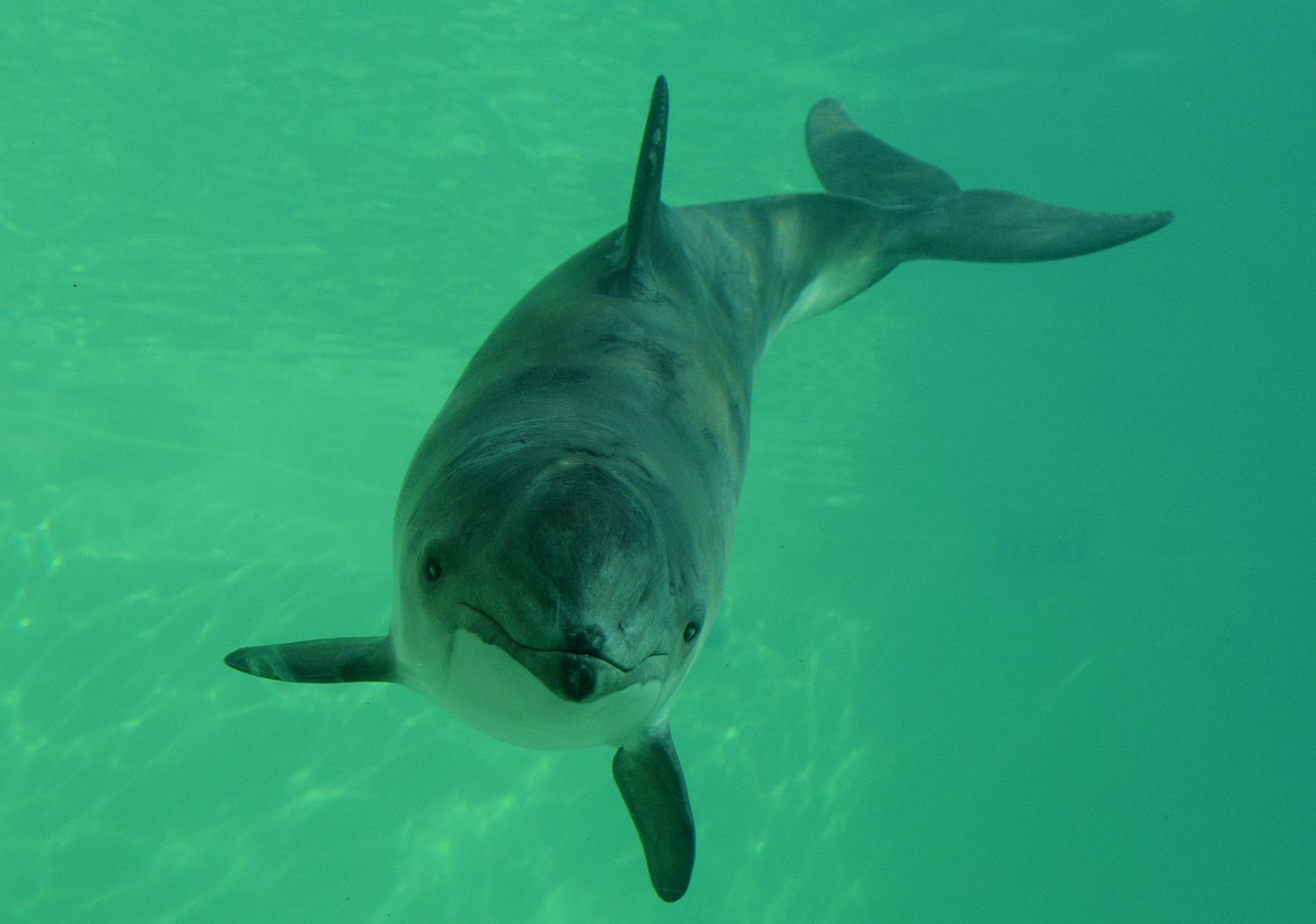
- Baltic Harbor Porpoise (Tumlare): With a population of just around 500, this marine mammal faces the dual threats of fishing gear and pollution.
- Freshwater Pearl Mussel (Flodpärlmussla): Dependent on pristine, running water, this species is threatened by damming and siltation.
Endangered (EN) or Vulnerable (VU)
- Arctic Fox (Fjällräv): With only a few hundred individuals remaining, the Arctic fox is under pressure from climate change and competition from the Red Fox.
- Wolverine (Järv): A rare species, with around 450 individuals in the wild in Sweden.
- Moose (Älg): Even the iconic moose is facing population declines, driven by hunting pressure and changing habitats.
Near Threatened (NT)
- Hedgehog (Igelkott): Once common, hedgehogs are now declining rapidly due to habitat fragmentation and modern agricultural practices.
- Mountain Hare (Skogshare): Threatened by the lack of snow cover and competition from the Brown Hare, the mountain hare faces a bleak future.
Conservation Efforts and the Path Forward
While Sweden’s biodiversity crisis remains significant, there are ongoing efforts to protect native species and restore habitats. These initiatives focus on both immediate survival needs and long-term recovery.
Arctic Fox (Fjällräv)
Conservation strategies for the Arctic fox aim to mitigate the effects of competition from the Red Fox and the scarcity of prey. Programs include:
- Supplementary Feeding: Stations provide food during harsh winters when lemmings are scarce.
- Red Fox Management: In some areas, red foxes are culled to reduce competition.
- Captive Breeding & Release: Arctic fox pups are released into the wild to bolster population numbers.
- Genetic Monitoring: DNA analysis helps prevent inbreeding and maintain a healthy genetic pool.
Baltic Harbor Porpoise (Tumlare)
Efforts to protect this marine mammal focus on reducing bycatch:
- Fishery Closures: Bans on static net fishing in certain protected marine areas aim to reduce accidental drowning.
- Acoustic Deterrents (“Pingers”): These devices emit sounds to warn porpoises away from fishing nets.
- Alternative Fishing Gear: Calls for safer alternatives to static nets are growing, with traps and pots being promoted as eco-friendly options.
Conclusion: A Call for Holistic Conservation
Sweden’s changing biodiversity landscape highlights the complexity of ecological shifts in the Anthropocene. The increase in species count, driven by invasive species and climate-driven migration, masks the more troubling trend of declining native populations and disappearing habitats.
The key takeaway for policymakers, conservationists, and the public is the need for a more holistic approach to conservation—one that prioritizes ecosystem health over simple species counts and recognizes the importance of maintaining unique, resilient habitats.
A Look Ahead
In our next issue, we will delve into the role of urban ecosystems in preserving biodiversity. As cities expand, how can they become sanctuaries for native species, rather than contributing to their decline? Join us for an exploration of innovative urban conservation strategies and the future of biodiversity in Sweden’s cities.
Stay Connected:
We invite our readers to engage with us on social media and share their thoughts on this ongoing conversation about biodiversity in Sweden. Your feedback helps shape future articles and the direction of our ecological coverage.