
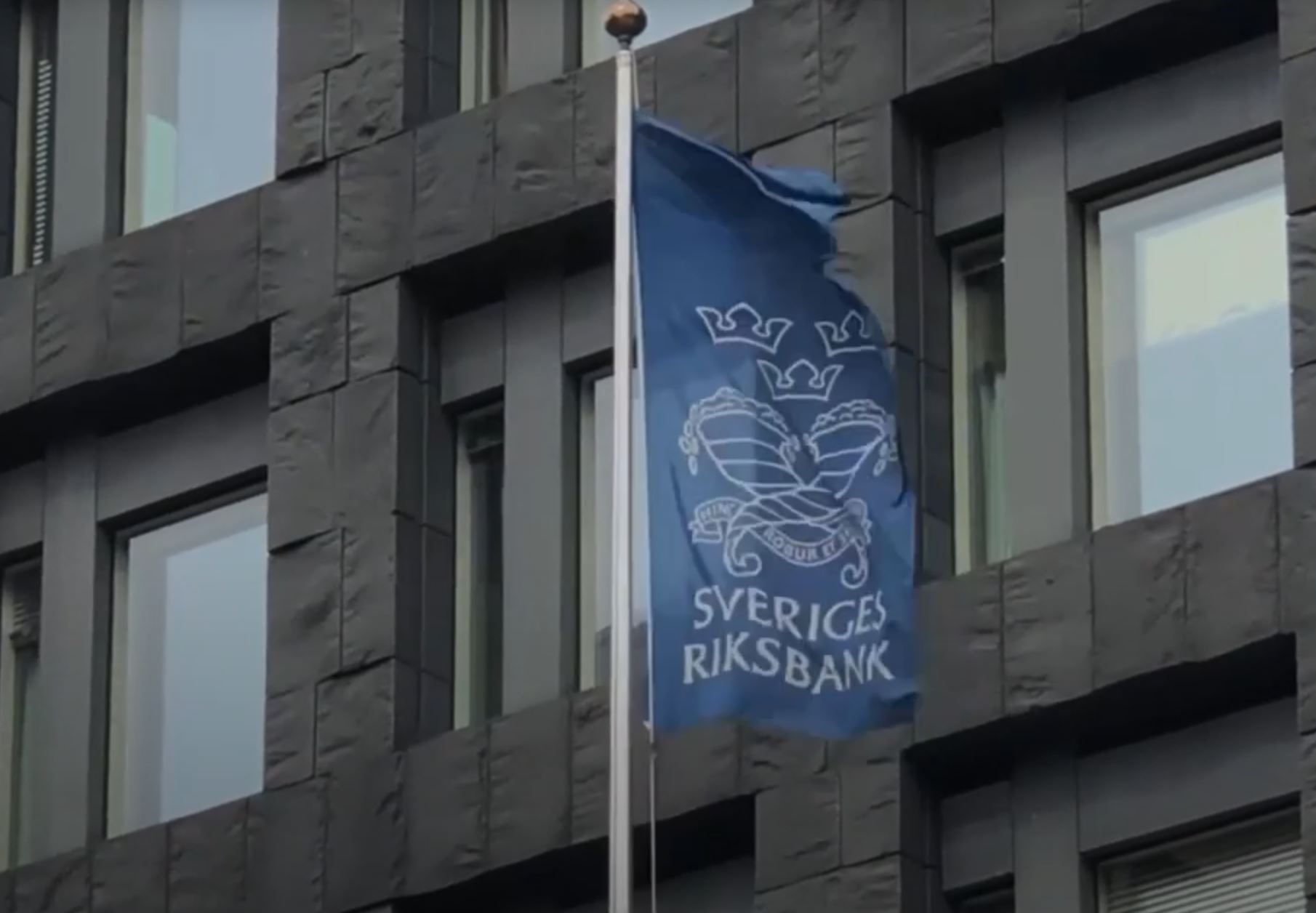
In a development that underscores the growing complexity of Nordic monetary transmission, Sweden’s major commercial banks have adjusted mortgage pricing upward—even as Sveriges Riksbank holds its policy rate steady at 1.75 percent. For Nordic executives managing capital allocation, real estate exposure, or consumer-facing operations, this divergence signals more than a technical adjustment: it reflects a fundamental shift in how interest rate expectations are priced across the region’s financial ecosystem.
Beyond the Headline: What the Mortgage Rate Move Really Means
Deputy Governor Per Jansson’s recent acknowledgment that bank-level pricing decisions “could possibly affect how we decide on the policy rate” reveals a nuanced reality often overlooked in mainstream reporting: monetary policy in open, export-oriented economies like Sweden’s operates as a dialogue, not a directive.
When Nordea, Swedbank, SEB, and other systemically important lenders adjust mortgage rates ahead of Riksbank action, they are not defying central bank guidance—they are pricing in forward-looking market signals. These include:
- Global funding cost pressures: Swedish banks access international capital markets; rising EURIBOR and USD swap rates directly impact their marginal cost of funds.
- Inflation expectations: While headline CPI in Sweden eased to 0.5 percent in February 2026, the Riksbank’s preferred CPIF measure remains at 1.7 percent year-on-year, leaving limited room for premature easing.
- Credit risk recalibration: With Swedish household debt-to-income ratios among Europe’s highest, banks are building buffers against potential delinquency spikes should unemployment tick higher.
For business leaders, this means mortgage rate movements are no longer a lagging indicator of Riksbank policy—they are a leading indicator of market sentiment on growth, inflation, and financial stability.
Strategic Implications for Nordic Executives
1. Corporate Treasury & Capital Planning
Companies with significant SEK-denominated debt or real estate holdings should stress-test financing assumptions against a “higher-for-longer” scenario. Even if the Riksbank begins cutting rates in H2 2026—as some analysts anticipate—commercial lending spreads may remain elevated due to persistent risk premia. Consider locking in fixed-rate facilities where covenant flexibility permits.
2. Consumer Sector Exposure
Retail, hospitality, and discretionary services face a dual headwind: households allocating more income to debt service and delaying large purchases. Q1 2026 consumption data will be critical. Monitor same-store sales and payment delinquency metrics as early-warning signals.
3. Cross-Border Investment Flows
The krona’s sensitivity to interest rate differentials means SEK assets may experience volatility if the Riksbank diverges from ECB or Fed timing. Nordic institutional investors should evaluate currency-hedging strategies for Swedish fixed-income allocations.
The Nordic Context: Why This Matters Regionally
Sweden’s situation is not isolated. Norway’s Norges Bank faces similar transmission challenges, while Denmark’s currency board arrangement creates distinct dynamics. Yet all three economies share:
– High household leverage ratios
– Export-dependent growth models
– Deep integration with European financial markets
The S&P Global Ratings Nordic Banking Outlook 2026 notes that “strong banks are poised for growth” despite margin pressure, suggesting the sector has capital buffers to absorb transitional volatility. However, profitability stabilisation below 2023–2024 peaks implies a more disciplined lending environment ahead—a factor corporate borrowers should factor into expansion timelines.
Looking Ahead: Key Dates and Indicators
– March 19, 2026: Next Riksbank monetary policy decision
– May 2026: Potential inflection point for policy rate guidance, contingent on Q1 inflation and wage data
– Watch: Swedish wage negotiation outcomes (avtalsrörelsen), which could reignite inflationary pressures if settlements exceed 3–4 percent
Deputy Governor Jansson’s framing—that central banks and commercial lenders exist in a reciprocal “game”—is analytically sound. But for executives, the operational takeaway is clearer: monitor bank pricing behaviour as a real-time sentiment gauge, not just Riksbank communiqués.
Editor’s Note: What’s Next?
In our upcoming feature, we will examine how Nordic CFOs are adapting treasury strategies to a fragmented interest rate environment—including case studies from Swedish industrials, Norwegian energy firms, and Finnish tech exporters.
We want to hear from you: Are your organization’s financing assumptions aligned with current market pricing? What risks keep your treasury team awake at night? Share your perspective with our editorial team at insights@nordicbusinessjournal.com or connect with us on LinkedIn @NordicBusinessJournal. Your insights help shape coverage that matters to regional decision-makers.